Are influencers being paid to drive negative narratives about celebrities?
Recent events around Kartik Aaryan, Tara Sutaria and Akshaye Khanna highlight the workings of an informal, largely unregulated influencer-driven publicity ecosystem
 by
by
Published: Jan 9, 2026 8:53 AM | 5 min read
 Follow Us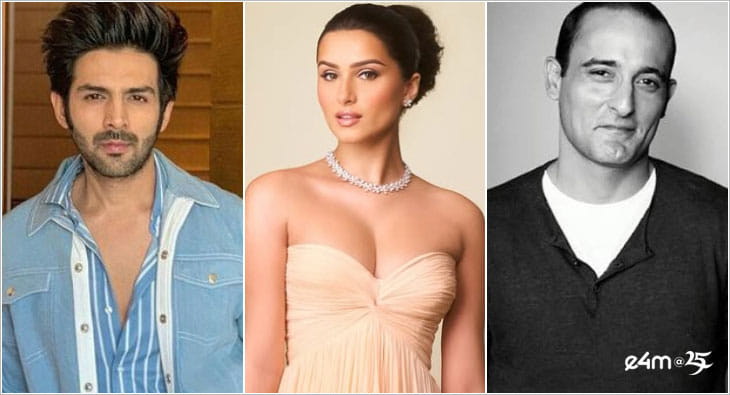

The influencer economy is once again under scrutiny, with reports suggesting that creators may be paid as little as ₹6,000 to promote negative narratives about actors or generate hype, while others receive smaller sums to quietly remove posts that do not align with a particular PR strategy.
Recent controversies involving Tara Sutaria, Kartik Aaryan, and the renewed attention on Akshaye Khanna have highlighted the workings of this informal, largely unregulated ecosystem.
The issue gained traction after actress Tara Sutaria publicly criticised what she described as “shameful” tactics aimed at tarnishing her image. She became the focus of intense online discussion following a viral clip from AP Dhillon’s Mumbai concert, where she appeared on stage with the singer. Edited reaction videos of Veer Pahariya, circulated out of context, sparking speculation around jealousy and personal character.
Read On: 2025: The year regulation caught up with influencer marketing
Both Tara and Veer clarified that the clips were misleading, with the latter noting that his reaction occurred during a different song segment. The matter intensified when Tara reshared claims that influencers were allegedly being offered around ₹6,000 to post negative content about her, while others were incentivised to amplify speculative narratives concerning her personal life.
Days after AP Dhillon’s concert, reports emerged suggesting that Tara Sutaria and Veer Pahariya had broken up. While neither confirmed the reason for the rumoured split, the episode reignited concerns over how easily influencer-led misinformation can escalate into reputational damage.
A similar pattern emerged in the case of Kartik Aaryan, who became embroiled in controversy after online speculation linked him to model Karina Kubiliute. Social media rumours even falsely labelled the actor a “pedophile,” based on unverified claims that Karina was underage. Karina herself denied any romantic involvement, stating that she was travelling with family. In her Instagram bio, she clarified: “I don’t know Kartik. I am not his girlfriend, I am on a family vacation.” No verified evidence supports the allegations, underscoring how loosely constructed narratives can quickly escalate into serious, unfounded accusations.
View this post on Instagram
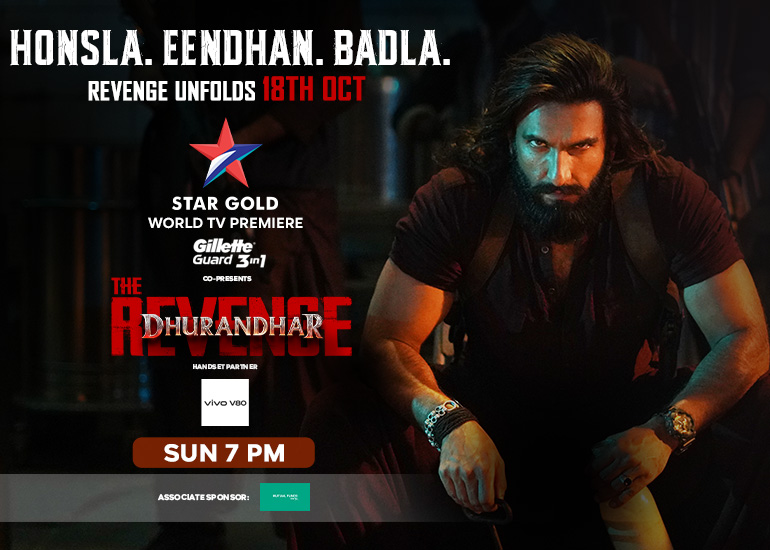
Industry observers note that the same ecosystem can also be harnessed to generate positive publicity. Akshaye Khanna’s resurgence following his performance in Dhurandhar is frequently cited as an example. While his work received widespread praise, insiders suggest that the scale and intensity of online discussion were amplified through strategic PR efforts, ultimately contributing to higher remuneration in subsequent projects. The contrast illustrates how the same tools can both bolster and harm careers.
According to representatives from a leading talent management agency, most established figures prefer to steer clear of manufactured controversies. “Since we represent some of the most credible names in the market, they usually choose to stay out of it. If something really needs attention, they take to their own social media and make a statement,” the agency explained, noting that crisis responses are managed on a case-by-case basis.
The agency acknowledged that negative PR can affect brand partnerships and advertising fees, citing cases where prolonged media narratives caused significant professional fallout despite legal clearance. “There are instances where brands hesitate or pull back. As managers and sales teams, we have to justify the situation and reassure them,” the spokesperson said, adding that legal action against meme pages or Reddit threads is uncommon, with most issues resolved informally or allowed to fade.
Read On: Is there a dark side to content creation?
The influencer side of this issue was highlighted by Mannan, known online as mannankibaat_, who shared a recording of negotiations with a PR agency requesting that he remove or alter content. In his video, which has now reached one million views, Mannan stated: “I won’t do anything for ₹500. The amount has increased because the views have gone up. My Tara Sutaria video has crossed one million views. You’ll have to give an appropriate price. Tell me a number from your end first.” He added that he had previously accepted payments ranging from ₹500 to ₹1,500 to take down or soften videos, depending on reach and engagement.
View this post on Instagram
These admissions have heightened concerns about the increasingly transactional nature of online outrage.
Jag Chima, Co-Founder of IPLIX Media, which represents several prominent influencers, believes this approach is ultimately self-defeating. “Some creators go to any extent to get views, followers and engagement because the topic is trending. But high-quality brands don’t want to work with controversial creators,” he said.
Chima emphasised that, while reporting negative news is not inherently wrong, creators have a responsibility to provide context. “What adds value is how you engage with your real audience and build loyalty. Are you feeding them baseless tabloid content, or are you giving them something meaningful?” he asked, warning that trend-chasing controversy rarely translates into long-term brand partnerships.
As influencer marketing matures, these incidents highlight the pressing need for transparency, ethical guidelines, and platform accountability. Until then, modest payments and viral posts may continue to shape reputations in India’s attention economy.
Read more news about (internet advertising India, internet advertising, advertising India, digital advertising India, media advertising India)
For more updates, be socially connected with us onInstagram, LinkedIn, Twitter, Facebook YouTube & Whatsapp