World Environment Day: Sustainability creators become brands' new trust builders
From FMCG and auto to tech and finance, brands are partnering with creators trusted on climate action, conservation, recycling and sustainable living
 by
by
Published: Jun 5, 2026 9:09 AM | 7 min read
 Follow Us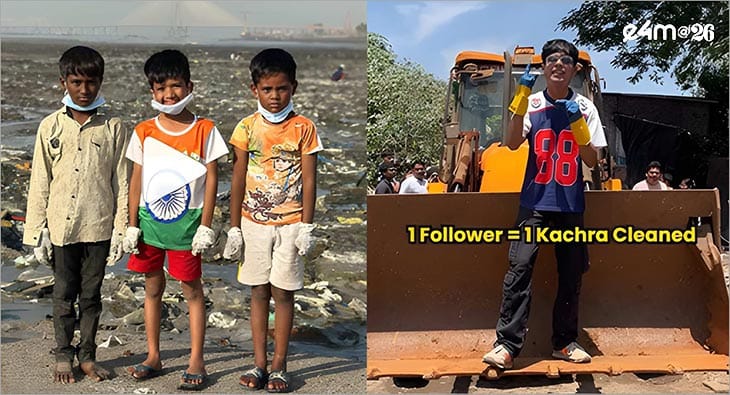

- As World Environment Day 2026 approaches, brands are shifting towards collaborating with creators who have established credibility in environmental issues, moving away from traditional celebrity endorsements and awareness campaigns.
- This trend reflects changing consumer engagement, with audiences showing skepticism towards brand-led messaging, preferring relatable storytelling from trusted creators on sustainability topics.
- Notable campaigns include Mother Dairy's partnership with environmental creator Malhar Kalambe, focusing on practical solutions like India's first naturally soil-degradable milk pouch, emphasizing action over mere awareness.
- The rise of video content in India, particularly through platforms like Reels, is fostering a creator-led approach to sustainability, where authentic storytelling and community participation enhance audience trust and engagement.
As World Environment Day 2026 brings sustainability back into the spotlight, brands are increasingly turning to creators who have spent years building credibility around environmental issues.
From FMCG companies and automakers to technology and financial services firms, marketers are moving beyond traditional awareness campaigns and celebrity endorsements to collaborate with creators whose audiences already trust them on topics such as climate action, conservation, recycling and sustainable living.
The shift reflects a broader change in how consumers engage with content. Sustainability remains an important conversation, but audiences are often sceptical of brand-led messaging that appears only around key calendar moments. Creators, on the other hand, are able to make environmental issues feel more relatable through storytelling, personal experiences and community participation.
The trend is unfolding at a time when India has become a video-first market. According to a recent Meta study, 97% of Indian users watch videos, with daily engagement reaching 98% in urban India and 94% in rural India. Reels has emerged as one of the country's most influential content formats, with 89% of Gen Z users engaging with it daily.
Saugato Bhowmik, Director, CPG, D2C and Automotive (India), Meta, said, "India's video boom isn't urban-led anymore, it's nationwide, cutting across Gen Z, women and premium audiences. Creators, culture and commerce are converging on Reels in ways we haven't seen before. For brands, this isn't just a content play, it's an always-on content-to-commerce play. Reels are where discovery starts, trust is built, and purchase decisions are made."
This growing influence is one reason sustainability campaigns are increasingly becoming creator-led.
Among the notable campaigns launched around World Environment Day is Mother Dairy's collaboration with environmental creator Malhar Kalambe, founder of Beach Please and recipient of the Swachhata Ambassador Award at the National Creators Awards 2024.
View this post on Instagram
The partnership supports Mother Dairy's campaign, "Jo Maa Rakhe Sabka Khayal, Mother Dairy Ko Hai Us Maa Ka Khayal," while drawing attention to the company's rollout of what it describes as India's first naturally soil-degradable milk pouch.
For Kalambe, the collaboration was rooted in a problem his organisation has encountered repeatedly during years of conducting beach clean-up drives.
"What made this collaboration particularly meaningful for us was that it addressed a challenge we have witnessed firsthand during our clean-up drives. Over the years, our volunteers have collected a significant number of discarded milk pouches from beaches and coastal areas. As an organization working on the ground, we understand the scale of the problem and the need for practical solutions," he said.
Kalambe added that the campaign was designed to focus on action rather than awareness alone.
"Rather than simply talking about sustainability, we wanted to demonstrate how small, consistent actions by individuals and organizations can collectively create meaningful impact. The collaboration worked because it brought together the reach of a trusted brand and the credibility of grassroots environmental action."
Brands are also experimenting with sustainability storytelling beyond environmental activism.
Fevicol, for instance, recently partnered with DIY creators from Tier II and Tier III cities to encourage recycling and reuse, reflecting a broader industry effort to make sustainability more practical and accessible to consumers.
View this post on Instagram
Mumbai-based creator Divya Fofani, who recently collaborated with ChatGPT on a World Environment Day campaign, believes audiences respond better when sustainability is integrated into experiences rather than presented as conventional advertising.
View this post on Instagram
"Instead of creating traditional promotional content, I integrate brands into challenge-based formats, social experiments, travel journeys and community-driven experiences that audiences would genuinely watch even without the sponsorship. This approach typically drives stronger engagement, retention and brand recall because viewers associate the brand with an experience rather than an advertisement," he said.
According to Fofani, this approach has become increasingly important as younger audiences become more selective about the content they consume.
"Traditional advertising often gets skipped, while authentic integrations allow brands to participate in culture and conversations in a way that feels organic and memorable," he added.
He also pointed to initiatives such as the One Kachra Movement as examples of how sustainability can be translated into participation-driven content.
"Sustainability can sometimes feel like a distant or complex topic, but when we translate it into relatable, on-ground experiences and storytelling, it becomes more accessible and actionable for audiences. When executed authentically, audiences don't just remember the campaign, they remember the values the brand stood for."
For creators working within sustainability-focused niches, however, authenticity remains the foundation of audience trust.
Mumbai-based sustainable fashion creator Rachel D'Cruz said sustainability content resonates because it is rooted in her everyday life rather than brand mandates.
"For me, authenticity comes from the fact that sustainability isn't something I started talking about because of brand collaborations. It's something that has naturally been a part of my journey for years. I began upcycling clothes out of necessity and creativity long before it became a popular conversation online," she said.
View this post on Instagram
D'Cruz believes audiences are quick to recognise whether a sustainability message is genuine.
"I think audiences can tell when a message is genuine versus when it's being communicated only because it's part of a campaign. That's why I focus on showing practical, real-life actions rather than talking about sustainability in theory."
Whether through rewearing outfits, upcycling garments or encouraging clothing swaps, she aims to make sustainable living feel achievable rather than aspirational.
A similar perspective is shared by wildlife photographer and climate advocate Aman Sharma, who argues that environmental storytelling must exist independently of brand partnerships.
"For me, it's actually quite simple because birds came long before content creation, brand partnerships or social media. I started posting when I was 14 years old because I was genuinely fascinated by wildlife and wanted to share that wonder with other people," he said.
Sharma believes creators have a responsibility to move beyond awareness and encourage genuine curiosity about nature.
"As creators, I think we have a responsibility to move beyond awareness and create genuine curiosity. If even a small percentage of people put down their phones, step outside and notice the wildlife around them because of something I've shared, that's far more valuable."
View this post on Instagram
While he acknowledged the role brands can play in amplifying environmental messages, Sharma cautioned against reducing sustainability to a marketing trend.
"I don't want conservation or sustainability to become marketing buzzwords. They're real issues that affect the habitats and species I spend my life documenting."
For Sharma, storytelling remains the most effective way to inspire action.
"When people see the beauty of a Himalayan monal at sunrise or a hornbill in flight, they naturally develop a sense of connection. That's why I focus on storytelling first. If people fall in love with nature, they become much more likely to care about protecting it."
As India's creator economy continues to mature, sustainability communication is increasingly moving away from one-off awareness campaigns toward creator-led narratives rooted in trust, participation and lived experience.
For brands, the takeaway is straightforward. Consumers are more likely to engage with environmental messaging when it comes from creators who have spent years building credibility around the cause rather than from campaigns that appear only on occasions such as World Environment Day. afternoon
Read more news about Influence Zone, Marketing, PR and Corporate Communication, Internet Advertising, People Movement
For more updates, be socially connected with us onInstagram, LinkedIn, Twitter, Facebook, YouTube & Google News