Linear TV is among WAVES OTT’s top genres amid cable tussle: Gaurav Dwivedi
According to the Prasar Bharati CEO, the transformation was not limited to the public broadcaster or WAVES, but reflected a broader restructuring of the media industry
 by
by
Published: Oct 1, 2026 9:00 AM | 5 min read
 Follow Us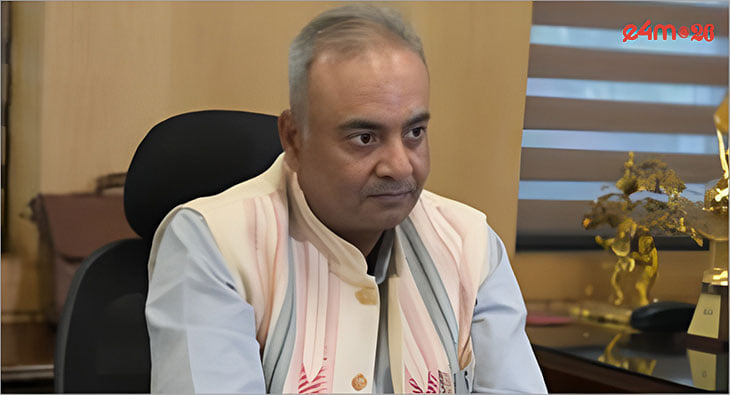

- Prasar Bharati CEO Gaurav Dwivedi highlighted that linear television channels are among the most-viewed genres on the WAVES OTT platform, indicating a growing acceptance of traditional TV content via internet-connected television.
- The shift towards connected TV (CTV) and free ad-supported streaming television (FAST) is transforming television distribution, raising questions about regulatory parity and the role of traditional distribution intermediaries.
- The Telecom Regulatory Authority of India (TRAI) is examining a regulatory framework for app-based linear television distribution, which includes services aggregating FAST channels, amid ongoing disputes regarding the legality of streaming live satellite channels on WAVES.
- As WAVES expands its user base and invites licensed broadcasters to join, the platform's development reflects broader changes in viewer habits and the media landscape, prompting discussions on how to adapt regulatory frameworks to new distribution models.
Prasar Bharati CEO Gaurav Dwivedi has said linear television channels are among the most-viewed genres on the public broadcaster’s WAVES OTT platform, underscoring the growing role of internet-connected television in the distribution of traditional TV content as broadcasters, distribution platforms and cable operators navigate a changing media landscape.
While Dwivedi did not disclose viewership figures for linear channels on WAVES, he said the platform was seeing audience acceptance for the format. “I can't give you numbers offhand, but linear TV channels are among the most-viewed genres we carry on WAVES. There is clearly a lot of audience acceptance,” he told e4m.
Read earlier interview: Gaurav Dwivedi on the sports rights bidding war
His comments come amid a wider shift in television distribution, with broadcasters and distribution platforms exploring connected TV (CTV), free ad-supported streaming television (FAST) and internet-based delivery alongside conventional cable and direct-to-home (DTH) services.
The transition is also raising questions about regulatory parity, the role of traditional distribution intermediaries and the rules governing the carriage of linear television channels over internet-based platforms.
CTV growth sharpens the debate over television distribution
The shift towards connected television is gaining momentum as viewers increasingly access streaming services and live channels on internet-enabled television sets. According to the Ormax OTT Audience Report 2026, India’s active CTV audience reached 206.9 million in 2026, up 60% from 129.2 million in 2025. The report also estimated the country’s overall online video audience at 664.9 million.
The expansion of CTV is creating new distribution opportunities for broadcasters, which can reach television audiences through internet-based platforms in addition to cable networks and DTH operators.
FAST services, which offer linear-style channels supported by advertising, are also emerging as another way to distribute television content without relying exclusively on conventional pay-TV distribution.
For broadcasters, these platforms offer additional routes to reach viewers and monetise advertising inventory. For cable operators and multi-system operators (MSOs), however, the development raises questions about whether competing distribution models operate under comparable regulatory requirements.
The debate has acquired a sharper edge as traditional distribution companies seek regulatory clarity on the treatment of internet-delivered television services. The Telecom Regulatory Authority of India (TRAI) has been examining a regulatory framework for app-based linear television distribution (ALTD), including services that aggregate FAST channels.
In its May 2026 consultation paper, TRAI highlighted the role of such platforms in curating channels, controlling electronic programme guides and managing advertising inventory.
Against this backdrop, WAVES OTT has become part of the wider discussion over how linear television channels can be distributed online and which regulatory framework should apply.
AIDCF vs Prasar Bharati case
The dispute involving WAVES OTT reflects the tensions emerging as internet-based platforms enter a space traditionally served by cable operators and DTH companies. All India Digital Cable Federation has approached the Telecom Disputes Settlement and Appellate Tribunal (TDSAT), alleging that the streaming of live satellite television channels on WAVES raises issues under existing uplinking and downlinking guidelines.
Asked about the allegations, Dwivedi said the matter was before the tribunal and declined to comment on its merits.
“The matter is sub judice, so let's wait and see,” he said.
The dispute comes as Prasar Bharati expands WAVES beyond its traditional public broadcasting operations. The platform, launched in November 2024, had crossed one crore registered users by June 2026, according to the Ministry of Information and Broadcasting. By September, the government said the platform had reached 1.4 crore registered users. It carries live television, radio, on-demand programming and other digital content.
Prasar Bharati had also invited licensed satellite television broadcasters to onboard their linear channels on WAVES. Under its November 2025 notice, the public broadcaster proposed a revenue-sharing arrangement under which channels would receive 65% of net advertising revenue generated from their streams, while Prasar Bharati would retain 35%, after specified costs. The notice also stipulated that participating channels must hold valid permissions for downlinking and distribution in India.
The arrangement provides broadcasters with an additional route to distribute their channels and generate advertising revenue, while raising questions about the relationship between internet-based distribution and the existing regulatory framework for television.
Dwivedi says industry must adapt to changing viewing habits
Dwivedi said the transformation was not limited to Prasar Bharati or WAVES, but reflected a broader restructuring of the media industry as technology and audience preferences change.
“The media sector has seen major upheaval over the last decade. Technology has changed drastically, and new platforms and new viewing preferences have emerged. Broadcasters and carriers alike are trying to work out the best way to reach the largest number of viewers,” he said.
Asked whether cable operators and MSOs should evolve as broadcasters and DTH operators explore CTV and FAST distribution, Dwivedi pointed to the changing technological and regulatory landscape rather than prescribing a particular business model.
“The government is aware of this, and you have seen the effort going into framing the wider regulatory and legal framework. Some matters are progressing and some are before the courts, so things will evolve as the courts take a view. We will just have to wait and see,” he said.
His comments come at a time when traditional television distribution is under pressure from the migration of audiences towards streaming platforms. The changing economics of television are also prompting broadcasters to explore ways to reach viewers directly through connected devices, while retaining the familiar linear channel format.
The emerging contest is therefore not simply between television and streaming. It is increasingly about who controls access to viewers, channel discovery and advertising inventory as linear television expands across different delivery technologies.
For cable operators and MSOs, the central question is how the regulatory framework will treat services that distribute linear channels over the internet. For broadcasters, the challenge is to expand their reach across platforms while navigating the rules governing television distribution.
With the WAVES dispute before TDSAT and TRAI examining the regulatory treatment of app-based linear television distribution, the eventual legal and regulatory outcomes could shape how broadcasters, public digital platforms and traditional distribution operators compete in India's evolving television market.
Read more news about Television Media, Digital Media, Advertising India, Marketing News, PR and Corporate Communication News
For more updates, be socially connected with us onInstagram, LinkedIn, Twitter, Facebook YouTube & Google News
