Why every marketer should understand Onam
Guest Column: Ganapathy Viswanathan, Communication Consultant & Author, explains how Kerala becomes India’s first big festive marketplace with the arrival of Onam
 by
by
Published: Aug 3, 2026 9:20 AM | 6 min read
 Follow Us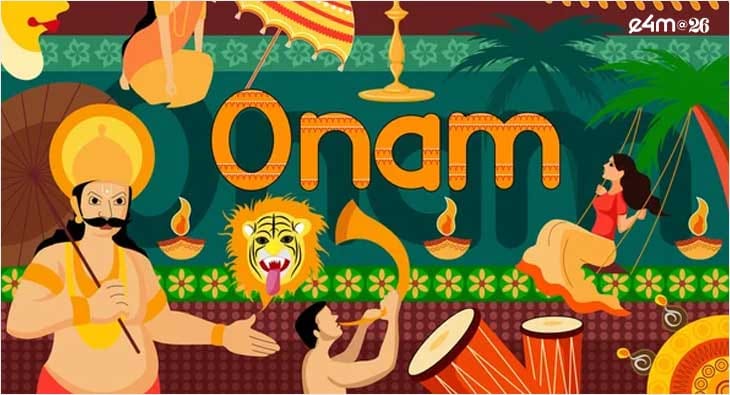

- Onam, a significant festival in Kerala, is increasingly recognized by marketers as a key indicator of consumer sentiment ahead of India's major festive shopping season, which includes Raksha Bandhan, Ganesh Chaturthi, Navratri, and Diwali.
- The shopping for Onam begins weeks in advance, with retailers across various sectors, including textiles, jewelry, and consumer electronics, ramping up promotions and special offers to attract consumers.
- This year, increased disposable income from government tax relief and lower interest rates is expected to further boost consumer spending during the festival, which is characterized by planned purchases rather than impulse buying.
- Marketers are paying close attention to Onam trends, as positive consumer behavior in Kerala can signal confidence for subsequent festive campaigns nationwide, highlighting the importance of understanding emotional connections to festivals in consumer behavior.
The First Festival That Marketers Should Watch
Most people believe India's festive shopping season begins with Raksha Bandhan and then gathers speed with Ganesh Chaturthi, Navratri and Diwali. That may be true for consumers in many parts of the country. But if you ask marketers, many of them quietly keep an eye on another festival much before all this begins.
That festival is Onam.
For Kerala, Onam is much more than a holiday on the calendar. It celebrates the homecoming of King Mahabali and stands for prosperity, happiness and togetherness. Every Malayali family looks forward to it. Yet beyond its cultural importance, Onam has become one of the biggest business opportunities of the year.
For brand managers, it is often the first chance to understand how consumers are feeling. Are they ready to spend? Are they buying premium products? Is the festive mood stronger than last year? Many of these answers start emerging from Kerala.
The Shopping Starts Much Before the Festival
One thing I have always found interesting about Onam is that the shopping does not begin a few days before the festival. It starts weeks in advance.
The moment retailers sense that Onam is approaching, the market changes. Textile stores display their festive collections. Jewellery showrooms begin promoting special designs. Consumer durable companies advertise exchange offers. Automobile dealers announce finance schemes. Supermarkets stock up for the Onam Sadya. Even furniture stores, paint companies and home décor brands become unusually active.
Walk through MG Road in Kochi or SM Street in Kozhikode during this period and you immediately notice the difference. Shops remain crowded, parking becomes difficult and newspapers suddenly become much thicker because of the volume of advertisements.
Today, e-commerce companies are equally aggressive. Their festive offers begin appearing alongside those of traditional retailers. Whether consumers shop online or walk into a store, the message is the same. The festive season has begun.
People Buy More Than They Normally Would
Onam has always encouraged people to buy things they may have postponed during the rest of the year.
Buying new clothes is almost a family tradition. Gold purchases increase. Many families repaint their homes before relatives arrive. Some replace old furniture. Others upgrade the television, refrigerator or washing machine. Quite a few decide that this is the right time to buy a new car or a two-wheeler.
If you ask families why they choose Onam, many will not mention discounts first. They simply believe it is a good time to bring something new into the house. That emotional connection is something every marketer should understand because festivals rarely run on discounts alone.
This Year, Consumers Have One More Reason to Spend
There is another interesting development this year.
The Government's income tax relief has left more money in the hands of many salaried families. That naturally improves disposable income during the festive season.
The Reserve Bank of India's recent reduction in interest rates could also make a difference. As banks pass on the benefit, EMIs on cars and consumer loans are expected to become a little lighter. For a family already planning a purchase, even a small reduction in the monthly outgo can help them take the final decision.
Then there is Kerala's unique advantage. Remittances from Malayalis working in the Gulf have supported household incomes for decades. Add annual bonuses, family savings and the festive spirit, and it is easy to understand why business across sectors picks up sharply during Onam.
This is not spending driven by impulse alone. It is planned spending, backed by both emotion and improving financial comfort.
Brands Know Exactly What Is at Stake
There is a reason why companies begin planning their Onam campaigns months in advance.
Jewellery brands such as Kalyan Jewellers and Malabar Gold & Diamonds know this is one of their biggest selling periods. Automobile companies launch attractive finance schemes. Electronics brands compete with cashback offers and exchange programmes. Retail chains prepare for heavy footfalls, while banks and finance companies also join the festive conversation.
Nobody waits for the last minute because missing the Onam season means missing one of the first major business opportunities of the year.
Kerala Still Believes in Print
One lesson Kerala continues to teach marketers is that print is far from finished.
In many markets, digital has become the first choice. Kerala is different. Newspapers continue to enjoy enormous credibility and readership.
During Onam, it is difficult to miss the thick editions filled with advertisements from jewellery retailers, textile stores, automobile companies, educational institutions and supermarkets.
For marketers, the lesson is simple. Digital is important, but strong regional media habits should never be ignored. In Kerala, print and digital work best together.
Why National Marketers Watch Kerala
Ask any CMO or marketing head planning for the festive season and chances are they will pay close attention to what happens during Onam.
If consumers are willing to spend on premium products in Kerala, it usually boosts confidence for the campaigns that follow during Navratri and Diwali.
If certain categories are slowing down, companies still have time to rethink pricing, offers or advertising before the national festive season reaches its peak.
That is why Onam has become much more than a regional celebration. It has quietly become one of the earliest indicators of festive consumer sentiment in the country.
The Real Lesson for Marketers
Marketing has always been about understanding people before understanding products.
Onam reminds us of that every year.
Families do not buy only because there is a discount. They buy because festivals make them feel optimistic. They want to welcome relatives into a freshly painted home, wear new clothes, replace something that has become old or finally buy something they have wanted for months.
Good economic conditions can encourage spending. Lower EMIs can make purchases more affordable. Tax relief can leave a little extra money in the wallet. But none of these replace the emotional pull of a festival.
That is why Onam deserves the attention of every marketer in the country. It is not only Kerala's biggest celebration. It is often India's first indication that the festive economy has begun moving.
Read more news about Festive Season, Marketing, PR and Corporate Communication, Internet Advertising, People Movement
For more updates, be socially connected with us onInstagram, LinkedIn, Twitter, Facebook, YouTube & Google News