Prince of Kolkata at 54: Why Sourav Ganguly’s greatest legacy is leadership without fear
Guest Column: Ganapathy Viswanathan, Communication Consultant & Author, reflects on Sourav Ganguly’s fearless leadership, self-belief and role in transforming Indian cricket
 by
by
Published: Jul 8, 2026 8:50 AM | 4 min read
 Follow Us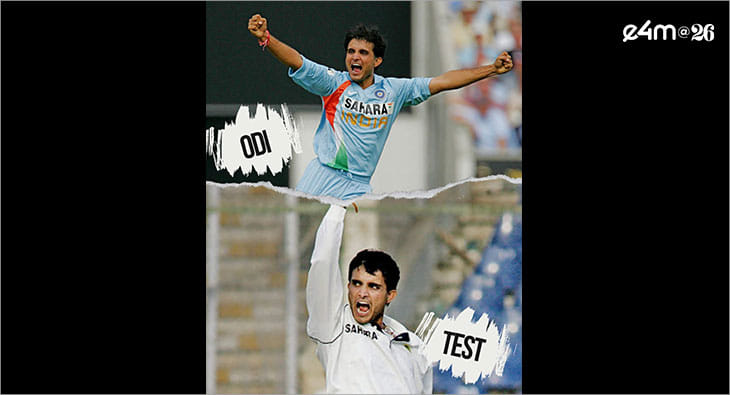

- Sourav Ganguly, a prominent figure in Indian cricket for over two decades, is celebrated for his impactful captaincy and candid nature, earning him the nickname "Prince of Kolkata" from Geoffrey Boycott.
- As captain from 2000, Ganguly revitalized the Indian cricket team by instilling confidence and supporting young players like Virender Sehwag and MS Dhoni, transforming the team's culture and expectations for success.
- Known for his straightforwardness, Ganguly's honesty in dealing with selectors and opponents has earned him respect in the cricketing community, both during and after his playing career.
- Beyond his records, Ganguly's legacy lies in changing the self-perception of Indian cricketers, encouraging them to compete confidently on the global stage, and he remains a significant figure in cricket at 54 years old.
For more than two decades, Sourav Ganguly has remained one of Indian cricket's most influential figures. His runs won matches, his captaincy rebuilt a team, and his frankness earned admiration even from those who disagreed with him. He called a spade as spade.
Legendary English opener Geoffrey Boycott once described Sourav Ganguly as the "Prince of Kolkata." It was more than a flattering nickname. Ganguly carried himself with quiet confidence, but once he crossed the boundary rope, he became one of the fiercest competitors of his era.
As Dada turns 54, his association with cricket remains as strong as ever. Whether as an administrator, mentor, commentator or advisor, he continues to influence the game. Yet, his lasting contribution goes far beyond the numbers beside his name.
The Captain Who Changed the Mood
Indian cricket was searching for answers when Ganguly took over as captain in 2000. The team needed more than tactical direction; it needed belief.
Ganguly's first task was to restore confidence. His second was to convince a young group of cricketers that they belonged on the biggest stages in world cricket. He trusted talent, backed players through failures and encouraged them to play with freedom.
Many of the names that later became pillars of Indian cricket—Virender Sehwag, Yuvraj Singh, Harbhajan Singh and eventually MS Dhoni—benefited from his faith. Ganguly believed that backing players during difficult phases was just as important as celebrating them during successful ones.
That approach helped change the culture of Indian cricket. Winning overseas no longer seemed impossible; it became an expectation.
Speaking His Mind Came Naturally
Ganguly never cultivated an image of being outspoken. It was simply who he was.
Whether dealing with selectors, opponents or cricket administrators, he rarely chose diplomacy over honesty. His opinions often sparked debate, but they also reflected conviction. Teammates knew he would stand by them publicly, while opponents understood that he would never be intimidated.
That straightforward nature has remained unchanged even after retirement. It is one of the reasons he continues to command respect within the cricketing fraternity.
The Left-Hander Who Wasn't
One of the more fascinating stories about Ganguly is that he was not naturally left-handed.
He bowled right-arm medium pace and used his right hand for writing and other everyday activities. As a youngster, he even batted right-handed before making the switch. Ganguly later explained that his elder brother, Snehasish Ganguly, and several other family members were left-handed. Playing with them every day influenced him to adopt the same stance.
It turned out to be one of the best decisions of his cricketing life. His cover drives and square cuts through the off side became his signature, earning admiration from cricket lovers around the world.
One Shirt, One Balcony, One Lasting Image
Every great career has a defining picture. For Ganguly, it came at Lord's Cricket Ground during the 2002 NatWest Series Final.
After India completed a memorable chase, Ganguly removed his shirt and waved it from the Lord's balcony. The celebration shocked some, delighted millions and instantly became part of Indian cricket folklore.
Years later, he admitted he had expected more teammates to join him. They didn't. It hardly mattered. The image belonged to him alone.
Why Brands Never Stopped Believing in Dada
For advertisers, Ganguly represented something that statistics alone could not measure.
He combined success with credibility. He looked confident without appearing distant, and authoritative without losing his connect with ordinary people. That made him a natural choice for brands looking to build trust.
His appeal was especially strong in eastern India. In West Bengal, he was never just another cricket star. He was a local hero whose achievements were celebrated as the state's own. Regional companies understood that association immediately resonated with consumers, while national brands valued the leadership and dependability that his personality conveyed.
Even years after retirement, that trust has remained intact.
More Than Records
Runs can be counted. Victories can be listed. Leadership is harder to measure.
Sourav Ganguly's greatest achievement was changing the way Indian cricketers viewed themselves. He encouraged them to compete without hesitation; challenge established teams and carry themselves with confidence wherever they played.
That mindset became the foundation on which future Indian teams built their success.
At 54, the Prince of Kolkata continues to occupy a special place in Indian cricket—not merely because of what he achieved, but because of what he inspired.
Happy Birthday, Dada.
Read more news about Digital Media, Television Media, Out of Home Advertising, Print Media, Latest Advertising India
For more updates, be socially connected with us onInstagram, LinkedIn, Twitter, Facebook, YouTube & Google News
