Media making mummy look bad?
Guest Column: Carol Goyal, CEO of Aesthetic Intelligence Lab, writes about ‘Pinterest parenting’ peer pressure and kids being shamed by peers accustomed to highly styled, Instagram-worthy bento boxes
 by
by
Published: Sep 17, 2026 4:36 PM | 5 min read
 Follow Us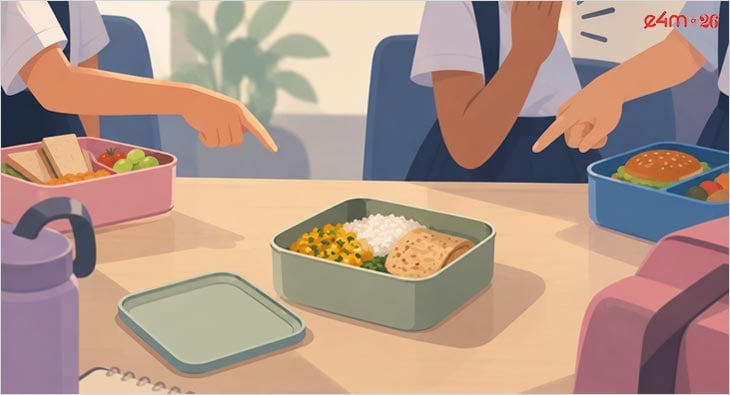

- Lunchbox shaming is a form of peer bullying where children are teased about their school lunches, often based on cultural or aesthetic differences, leading to emotional distress.
- The phenomenon is influenced by social media trends and "Pinterest parenting," where children feel pressure to present visually appealing meals, often resulting in the rejection of traditional foods.
- Lunchbox shaming occurs globally, with variations in the types of foods and cultural contexts, including ethnic food discrimination in the USA, ranking of packed lunches in the UK, and competition over homemade bento in Japan.
- Solutions to combat lunchbox shaming include implementing "No Food Shaming" policies in schools, promoting cultural food days, and encouraging open discussions about food diversity at home.
My friend’s 9-year-old daughter came home from school in shambles. Distraught. Downcast. For the second time this week. Her classmates had mocked the contents of her tiffin box, driving her to tears.
Lunchbox shaming is a form of peer bullying or social judgment where children are teased, mocked, or excluded because their school lunch looks, smells, or differs from the mainstream norm. Historically rooted in cultural discrimination against immigrant foods (often called the "lunchbox moment"), the trend has recently expanded due to social media. Today, it includes "Pinterest parenting" peer pressure, where kids bringing traditional, simple, or non-aesthetic meals are shamed by peers accustomed to highly styled, Instagram-worthy bento boxes.
The Two Faces of Lunchbox Shaming
- Cultural Shaming: Classmates mock traditional, homemade foods from minority or immigrant backgrounds. Kids are teased with comments like "Ew, that looks like worms" or "It smells weird," pushing them to reject their heritage food.
- Aesthetic & Status Shaming: Fueled by viral videos, lunchboxes have become an online status symbol. Children bringing simple, healthy staples like roti-sabzi, sandwiches, or leftovers face peer pressure if their lunch lacks trendy, western, or intricately shaped food cutters.
Lunchbox shaming isn’t a “Delhi thing” or an “India thing.” It’s a “kids + food + comparison” thing. It happens everywhere – just with different food and different labels. Here’s how it shows up around the world:
- USA: The “Healthy vs Junk” Wars: In American schools it’s huge. What gets shamed? “Ethnic food” like kimchi, curry, dumplings, tortillas. Kids call it “smelly food”.
Also homemade sandwiches vs lunchables and brand-name snack packs seen to be ‘with it”. Kids also mock free/reduced lunch trays vs packed lunch from Whole Foods.
There’s even a term for it: "lunch shaming". Some US schools used to stamp kids’ hands or give them a cold sandwich if parents hadn’t paid lunch fees. There was massive backlash and now 8+ states have banned it by law. The flip side: Kids with organic bento boxes also get teased as “crunchy granola kid” or “that rich kid”.
- UK: The “Packed Lunch Police”: British schools did “traffic light” food labels. Green = good, Red = bad. Result? Kids started ranking each other’s boxes. “Your mum gave you crisps? That’s red.” “Mine has hummus. That’s green.” The NHS and Jamie Oliver’s school food campaigns helped, but the comparison didn’t stop. It just moved to “who has the nicest reusable bento”.
- Japan: The Opposite Problem: Japan has kyushoku – school lunch served to everyone. Same meal. So they don’t shame the food. They shame how you eat it.
Not finishing your rice? Leaving vegetables? Eating too slow? That’s the shame. But for kids who bring obento from home, there is pressure. “Kyaraben” – character bento with rice cut into “Pikachu” – is a whole competition between moms on Instagram. If yours is plain, your kid feels it.
- Australia & Canada: The “Allergy + Ethnicity” Mix: Big issue with nuts, gluten-free, vegan. Kids get told “you can’t sit here, your sandwich has peanut butter” – safety reason, but it feels like exclusion. Plus: South Asian, Middle Eastern, East Asian kids report the same “smelly food” comments we hear elsewhere. Curry, daal, fish gets called “gross”. Canada’s Toronto school board actually did anti-bullying workshops specifically for “food shaming” in 2019.
- Middle East & Europe: In Dubai/Abu Dhabi international schools: It’s brand-driven. “You brought homemade? I have Pret A Manger” In France: Food is sacred, so shaming is less. But kids still rank “industrial cake vs homemade madeleine”.
It’s never really about taste. It’s about status, fit in, and what’s on TikTok/Reels that week.
Why It’s Getting Worse Globally
- Social Media: A 10-year-old in Mumbai and a 10-year-old in LA both saw “school lunch haul” videos this morning.
- Branding: Food companies market directly to kids now. “This is what cool kids eat.”
- Economic gaps: In every country, some parents can afford daily delivery and some can’t.
What Other Countries Are Doing
- USA: "No Food Shaming" policies + “cultural food days” where everyone brings something from home
- Australia: “Food is Fuel” programs in primary schools
- Japan: Keep kyushoku to avoid comparison entirely
- UK: Schools banning “competitive lunchbox” social media posts
Lunchbox shaming is universal. The dabba changes, the comment changes, but the feeling is the same: “Mine is different. So am I.” The good news: Because it happens everywhere, there are solutions everywhere too. Talking about it, like we’re doing, is step 1. We can’t control what’s on YouTube Shorts. But we can control what we say at our dinner table: “Ghar ka khana is not boring. It’s brave.” – that works in Mumbai, Manhattan, and Manchester. Mummy can, and must, beat media.
(Disclaimer: The views expressed here are solely those of the author and do not in any way represent the views of exchange4media.com.)
Read more news about Digital Media, Television Media, Out of Home Advertising, Print Media, Latest Advertising India
For more updates, be socially connected with us onInstagram, LinkedIn, Twitter, Facebook, YouTube & Google News