How jewellery brands are moving beyond weddings as everyday wear reshapes marketing
Younger consumers are redefining jewellery buying, driving demand for versatile everyday pieces and prompting brands to rethink product, retail and marketing strategies
 by
by
Published: Jul 30, 2026 8:52 AM | 6 min read
 Follow Us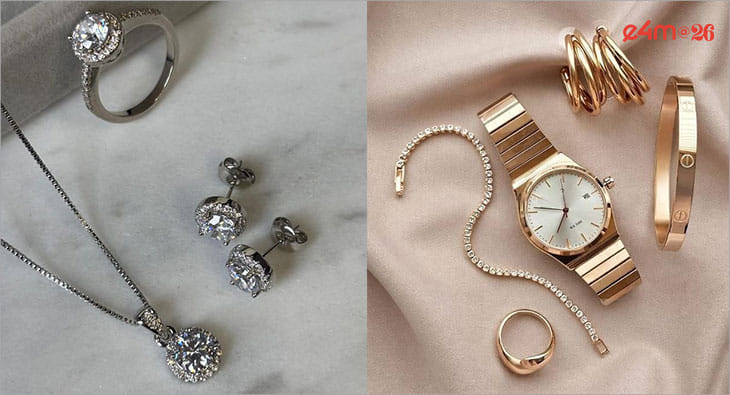

- The Indian jewellery industry is shifting from a focus on traditional occasions like weddings to everyday purchases, driven by younger, financially independent consumers who seek versatile and lightweight designs for daily wear.
- Brands are adapting their product offerings and marketing strategies to emphasize self-expression, personal milestones, and gifting, moving away from ceremonial themes to more relatable lifestyle narratives.
- Industry executives report a significant increase in self-purchased jewellery, with 64% of non-bridal natural diamond jewellery now bought by consumers for themselves, reflecting changing consumer motivations.
- Retailers are evolving their strategies by dedicating more space to everyday collections and collaborating with lifestyle influencers, aiming to maintain relevance throughout the year rather than relying solely on festive seasons.
For decades, the Indian jewellery industry revolved around weddings, festivals and family occasions. Bridal collections dominated product portfolios, advertising campaigns celebrated elaborate wedding ceremonies, and consumers typically viewed jewellery as an investment purchased during milestone moments.
That narrative is beginning to change.
As younger consumers increasingly buy jewellery for themselves rather than waiting for traditional occasions, brands are expanding lightweight, versatile collections designed for everyday wear, office dressing and gifting. The trend is prompting companies to rethink everything from product design and retail strategy to advertising narratives and influencer collaborations.
Industry executives say the rise of financially independent women, growing disposable incomes, hybrid work cultures and changing fashion preferences are driving a new category of "everyday luxury", where jewellery is becoming a regular lifestyle purchase rather than an occasional investment.
Read On: Why jewellery brands are betting big on creators even as India turns cautious on gold
The trend is particularly visible across gold, diamond and silver jewellery, where brands are introducing stackable rings, minimalist necklaces, lightweight earrings and contemporary bracelets targeted at daily wear. Industry players say changing purchase motivations are also reshaping how the category is marketed.
Susie Dewey, CMO, Natural Diamond Council said, “Bridal remains an incredibly important part of the natural diamond category, but we're also seeing consumers create new occasions to celebrate themselves. Whether it's marking a career milestone, a personal achievement or simply a moment that matters, natural diamonds are increasingly becoming part of everyday expressions of identity and meaning.”
Dewey said this presents a significant opportunity for the industry to connect with consumers through more relevant, lifestyle-led narratives while reinforcing the enduring appeal of natural diamonds through emotion, authenticity and lasting value.
From an agency perspective, marketers say the category's storytelling is evolving alongside changing consumer behaviour.
Providing a broader industry perspective, Shradha Agarwal, Co-founder and Global CEO of Grapes Worldwide, said jewellery marketing is moving beyond weddings and festivals as more consumers purchase jewellery for themselves. As a result, brands are increasingly centring their communication around everyday wear, gifting and personal milestones instead of traditional occasions.
Read On: Jewellery retail future will be driven by ability to stay relevant: Sandeep Kohli, Indriya
“As a result, campaigns have become less ceremonial and more rooted in real life. Jewellery brands now feel closer to consumers, the stories feel closer to people, the visuals have a fresher look, and jewellery is presented as part of everyday style rather than something saved for occasions,” she concluded.
The trend is also reflected in how diamond companies are repositioning the category beyond weddings.
Changing Playbooks
Toranj Mehta, Country Head, Category Marketing, De Beers India, said the shift from lockers to everyday wear reflects changing consumer behaviour. Citing the company's 2025 India Diamond Acquisition Study, he said 52% of acquired diamonds are now worn daily, up from 27% a decade ago, while 64% of non-bridal natural diamond jewellery is self-purchased, driving demand for lightweight, "intentional luxury" designs.
Mehta said, “We have moved beyond traditional bridal dominance by identifying the quiet, yet powerful emotional pivots in a woman’s life that previously lacked a formal ritual. By mapping these evolving consumer behaviours, we have pioneered rituals like ‘Love from Bestie’ and ‘Love from Universe.’”
He added that the strategy enables De Beers to position natural diamonds as meaningful companions to the modern Indian woman's everyday journey, rather than symbols reserved only for special occasions.
The changing consumer mindset is reshaping marketing. Instead of wedding-centric campaigns featuring brides and family celebrations, brands are increasingly highlighting self-expression, personal milestones, workplace confidence and gifting moments. Campaigns centred around themes such as self-love, promotions, birthdays, anniversaries, friendships and everyday achievements are becoming more common as marketers seek to expand jewellery consumption beyond the traditional festive calendar.
Similar trends are playing out across jewellery retailers, many of whom are reshaping both their portfolios and brand communication.
Read On: Beyond the wedding rush: How jewellery brands are chasing year-round relevance
Suraj Shantakumar, Director- Business Strategy, Kirtilals said, “The Indian jewellery market is evolving from being predominantly occasion-led to increasingly lifestyle-led, driven by financially independent consumers making confident self-purchase decisions. While bridal jewellery remains the foundation of the category, demand for lightweight, contemporary natural diamond jewellery for everyday wear, workwear and gifting continues to grow.”
He added that Kirtilals is adapting to this shift through a dual-brand strategy, with its flagship brand focused on bridal and heirloom jewellery, while Glow by Kirtilals caters to everyday lifestyles with contemporary natural diamond collections. The brand aims to position natural diamonds as part of both milestone occasions and everyday self-expression through modern designs and storytelling.
For Anmol Jewellers, the shift towards self-purchase has been in the making for some time. The brand launched Anmol Accents in July 2025 to cater to independent women seeking fine jewellery for everyday wear rather than special occasions. It said the growing preference for self-expression and self-purchase validates its belief that the future of fine jewellery lies in thoughtfully crafted everyday luxury.
Reflecting this approach, Trisha Datwani Anand, Creative Director, Anmol Jewellers, said, “Today's consumers, particularly independent and professionally accomplished women, are increasingly purchasing jewellery to celebrate personal milestones, achievements and self-expression, rather than waiting for traditional occasions.”
As consumer behaviour evolves, marketing investments are following suit.
Read On: Why it matters most to South India’s jewellery markets
Brands are partnering with lifestyle creators, fashion influencers and working professionals to showcase jewellery in everyday settings, while digital-first campaigns increasingly focus on styling content, wardrobe pairings and gifting inspiration. Retail formats are also evolving, with stores dedicating more space to lightweight collections and entry-level price points that encourage repeat purchases.
For jewellery marketers, the opportunity extends beyond acquiring new customers. Industry observers note that everyday collections generate higher purchase frequency compared to bridal jewellery, allowing brands to remain relevant throughout the year instead of depending heavily on wedding and festive seasons.
At the retail level, brands are seeing this transition translate into higher demand for everyday collections.
Khurana Jewellery House has also shifted its communication strategy to reflect changing purchase behaviour.
Khurana Jewellery House said lightweight jewellery is increasingly being viewed as an extension of personal style rather than an occasional purchase. Reflecting this shift, the brand's communication has moved from occasion-led aspiration to showcasing jewellery as an everyday accessory, making the category more relatable and relevant for today's consumers.
Prerna Khurana, Director, Khurana Jewellery House, said younger consumers are increasingly buying jewellery for themselves, whether for everyday wear or to celebrate personal milestones, rather than waiting for traditional occasions. This shift in consumer behaviour, she noted, has also influenced the brand's storytelling and marketing approach.
“Instead of focusing only on grandeur and tradition, the conversation has become more lifestyle-oriented. The emphasis is on how jewellery fits into a woman's everyday wardrobe, her work life, her travels, or even the small moments she chooses to celebrate. Those stories feel far more authentic because they reflect real buying behaviour,” Khurana said.
The trend is especially pronounced among younger consumers, who often prioritise design, versatility and affordability over heavy investment pieces. Social media has further accelerated this behaviour by positioning jewellery as a fashion accessory that complements everyday outfits rather than something reserved for special occasions.
Read more news about Marketing News, Advertising News, PR and Corporate Communication News, Digital News, People Movement News
For more updates, be socially connected with us onInstagram, LinkedIn, Twitter, Facebook, YouTube & Google News