Meta and X oppose Baba Ramdev’s personality rights plea in Delhi HC
The suit seeks orders to remove content and stop unauthorised use of his identity, which Baba Ramdev says has been commercially exploited
 by
by
Published: Feb 18, 2026 6:38 PM | 3 min read
 Follow Us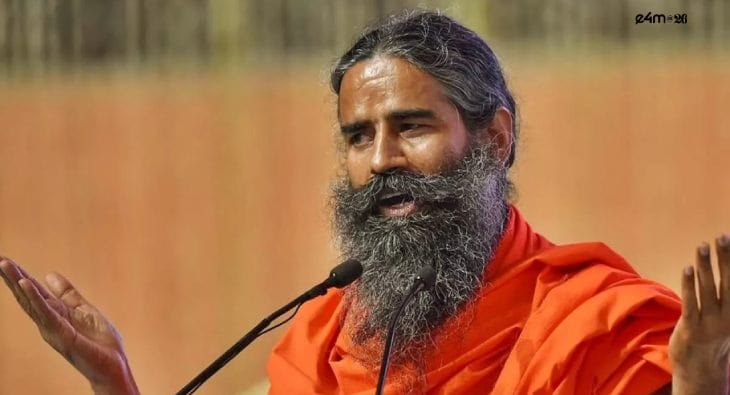

Social media giants including Meta Platforms and X (formerly Twitter) have opposed key aspects of yoga guru Baba Ramdev’s personality rights suit in the Delhi High Court, arguing that the reliefs he seeks could undermine freedom of expression online.
The case, heard by Justice Jyoti Singh, centres around Patanjali Ayurveda founder, Baba Ramdev’s request for broad injunctions against the unauthorised use of his image, voice, likeness, and distinctive persona, including through deepfakes and misleading content. The suit seeks orders to remove content and stop unauthorised use of his identity, which Ramdev says has been commercially exploited, including through AI-generated deepfakes and doctored images.
At the hearing, counsels for X and Meta told the court that broad takedown or blocking directions could suppress satire, parody, fair comment, political commentary and legitimate news reporting, categories they said are protected under democratic free speech principles.
Meta's counsel, Advocate Varun Pathak, countered that while the platform had no objection to removing “egregious” or unlawful content, it could not extend to news reporting or fair commentary. “Egregious content we have no problem in removing, but the question is if a news channel reports falsely against the plaintiff, does that give him a personality right?” Pathak submitted. He added, “If anyone goes to claim personality rights against a news channel, then fair reporting itself goes out of the window… with egregious content, we have no problem, we never oppose it. But news reporting?”
X's counsel echoed concerns about overreach, emphasising that political commentary, satire, fair comment, and public speech must be safeguarded. “Any content in the realm of satire, fair comment and public speech should be protected from takedown orders in cases seeking protection of personality right,” the counsel argued, noting such orders could have a “chilling effect” on freedom of expression.
Both platforms have removed some of the flagged URLs.
Ramdev, represented by Senior Advocate Rajiv Nayar, filed the suit to restrain the misuse of names like “Ramdev,” “Swami Ramdev,” “Baba Ramdev,” and “Yog Guru Ramdev.” He claimed his identity, built over decades through yoga and public engagements, was being exploited for false endorsements, commercial gain, and online virality. Specific grievances included videos depicting him riding an elephant, lying before an allopathic doctor for treatment, and content linking him to an e-scooter launch promotions. Nayar argued during the hearing: “Wherever there is disparagement affecting my personality rights, I am saying they should be taken down.”
Justice Singh directed Ramdev to submit a consolidated list of the specific content he wants removed and asked the platforms to place their detailed objections on record, “I will go through them and decide.” The matter was listed for further hearing on 18 February.
More and more celebrities in India are going to court to protect their name, face and image from fake videos and misuse online. At the same time, social media companies are worried that too-wide orders will force them to delete news, memes, criticism or jokes that should be allowed. The judge has to balance two important things: Protecting a famous person’s reputation and not blocking normal free speech and information online.
Read more news about Industry Briefing, Internet Advertising, Marketing, PR & Corporate Communication, Television Media
For more updates, be socially connected with us onInstagram, LinkedIn, Twitter, Facebook YouTube & Google News