Vivek Oberoi joins celebrities seeking legal protection of identity
Oberoi's filing follows similar moves by other Bollywood figures, including R Madhavan, in recent months
 by
by
Published: Feb 5, 2026 4:47 PM | 2 min read
 Follow Us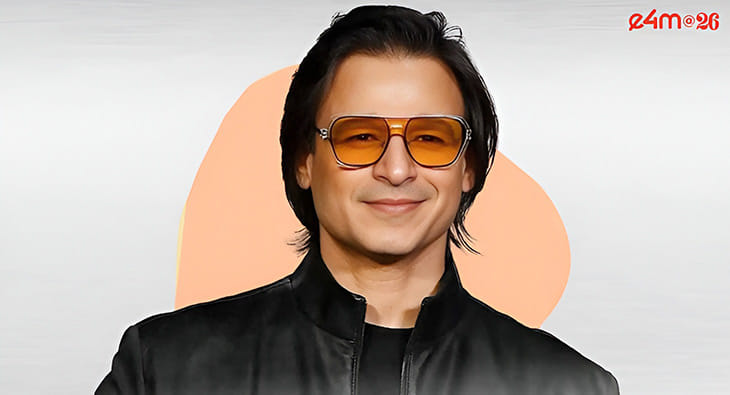

Actor Vivek Oberoi has moved the Delhi High Court seeking legal protection for his personality rights, aiming to prevent unauthorised use of his name, image, voice and likeness on digital platforms.
Bollywood actor Vivek Oberoi has joined a growing list of celebrities seeking legal protection for their personality rights, filing a suit in the Delhi High Court on February 4, 2026, to prevent unauthorized use of his name, image, voice, and other personal attributes
Oberoi's filing follows similar moves by other Bollywood figures in recent months. In January 2026, R Madhavan approached the Madras High Court to protect his name, image, and voice from unauthorized AI deepfakes and social media exploitation. Earlier, in December 2025, Abhishek Bachchan and Aishwarya Rai Bachchan filed a petition in the Delhi High Court seeking protection from the unauthorised commercial use of their identity and AI-manipulated content that they describe as harmful.
Several other high-profile personalities have also pursued personality rights protection in recent years. Veteran actor Amitabh Bachchan has secured legal relief against unauthorised use of his name and image, while filmmaker Karan Johar obtained court protection against AI-generated morphed images and misleading profiles featuring his likeness. Actors Akshay Kumar and Hrithik Roshan have similarly approached courts to curb misuse of their public identities in AI-generated content.
Understanding personality rights and the recent rush to court
Personality rights, sometimes referred to as rights of publicity or image rights, are legal protections that allow an individual to control the commercial and public use of their identifiable attributes, including name, voice, likeness and image. These rights have particular relevance when such attributes are used without consent in ways that could mislead audiences, suggest endorsements or cause reputational harm.
The rise of generative AI and deepfake technology has accelerated the push for legal certainty. Deepfakes pose challenges in distinguishing legitimate uses from potentially harmful impersonation or commercial misuse. In several recent cases, plaintiffs have focused on content that circulated without approval, automated endorsement claims and AI-generated materials on platforms like YouTube, Instagram and Facebook.
Read more news about Digital Media, Internet Advertising, Marketing News, Television Media, Radio Media
For more updates, be socially connected with us onInstagram, LinkedIn, Twitter, Facebook, YouTube & Google News
