The end of 'Set It and Forget It': Why creative now drives media performance
Guest Column: Gopa Menon, COO & Co-Founder, Theblurr, shares his views on creative-first era of media buying
 by
by
Published: Oct 1, 2025 9:27 AM | 5 min read
 Follow Us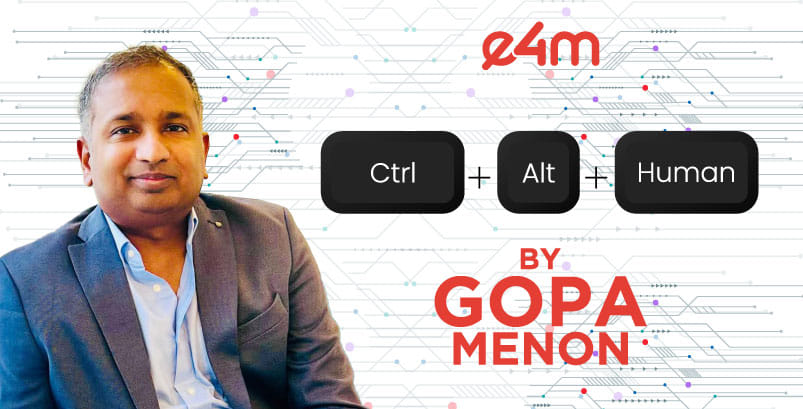

Media buying used to follow a predictable formula: secure placements, negotiate rates, set targeting parameters, launch campaigns. Creative assets were produced separately, handed over to the media team, and that was that. The strategy lived in the targeting and the placement selection. Creative was execution.
That formula is broken.
The launch of Meta+ and similar offerings from major platforms has made one thing abundantly clear: we've entered the creative-first era of media buying. And if you're still treating creative as an afterthought in your media planning process, you're leaving serious performance on the table.
The Platform Playbook Has Changed
Meta+ didn't emerge in a vacuum. It's the logical conclusion of a trend that's been building for years. Platforms have become increasingly sophisticated at optimization, but they've hit a ceiling. The algorithmic improvements that once delivered year-over-year performance gains have plateaued. The next frontier isn't better targeting or smarter bidding, it's creative that actually resonates.
What Meta and others have recognized is that creative quality and variety now determine campaign success more than any other factor. Their algorithms can optimize delivery, but they can't fix boring ads. They can find your audience, but they can't make people care about your message.
This shift represents a fundamental rethinking of where value lives in the media ecosystem. For decades, the industry operated on the assumption that reaching the right person at the right time was the hard part. We've now automated that to the point where it's table stakes. The hard part is capturing attention and driving action once you've reached someone.
Why Creative Became the Bottleneck
The data tells a compelling story. Campaigns with strong creative variation consistently outperform those with limited creative assets, often by margins of 30-40% or more. Yet most advertisers still launch campaigns with two or three creative variations and call it a day.
The platforms have noticed. They're not just encouraging creative diversity, they're building entire product offerings around it. Meta+ essentially says: "Give us great creative building blocks, and we'll generate variations at scale." Google's Demand Gen campaigns follow similar logic. Though, not available in India, TikTok's Creative Exchange connects advertisers with creators specifically to solve the creative supply problem.
These aren't feature updates. They're strategic repositioning. The platforms are telling us, in the clearest possible terms, that creative is now the primary lever for performance.
What Creative-First Actually Means
This isn't just about making prettier ads. Creative first media buying requires a complete reorganization of how teams work and how budgets get allocated.
First, creative development can no longer happen in isolation from media planning. The days of handing finished assets over the wall to the media team are over. Creative needs to be planned with platform specifications, audience segments, and performance goals baked in from the start. A video concept that works brilliantly on Instagram might fall flat on LinkedIn, not because the creative is bad, but because it wasn't conceived with that platform's context in mind.
Second, we need to accept that creative is never "done." The best-performing campaigns treat creative as a living, evolving component. They test continuously, retire underperformers quickly, and scale winners aggressively. This requires different workflows, different approval processes, and frankly, different mindsets than most organizations currently have.
Third, budget allocation has to shift. If creative is the primary performance driver, then creative production deserves a proportional share of resources. Yet I still see media plans where 90% of the budget goes to media spend and 10% covers everything else, including creative. That math doesn't work anymore.
The Operational Challenge
Here's where theory meets reality: most organizations aren't set up for creative-first buying. Creative teams are sized and structured for the old model, a few hero assets per campaign, produced on relatively long timelines. Media teams are used to working with what they're given, optimizing within the constraints of available creative.
Breaking these silos isn't easy, but it's necessary. The best results I've seen come from integrated teams where creative strategists and media planners work together from day one. They're jointly responsible for outcomes, which naturally drives better collaboration.
Technology helps, but it's not a silver bullet. Yes, generative AI and dynamic creative optimization tools can accelerate production. But they're most effective when guided by strategic thinking about what messages and formats will actually move the needle for specific audiences on specific platforms.
Looking Ahead
The creative-first shift isn't a trend, it's the new baseline. As platforms continue to automate and optimize the technical aspects of media buying, creative becomes the primary differentiator between advertisers.
This has profound implications. It means hiring differently, bringing creative thinkers into media roles and media-savvy strategists into creative roles. It means investing differently, potentially shifting significant budget from pure media spend into creative production and testing. It means measuring differently looking beyond CTR and CPA to understand which creative elements actually drive business outcomes.
Meta+ is just the beginning. Expect every major platform to double down on creative-centric products and features. The question isn't whether to adapt to creative-first buying, t's how quickly you can make the transition.
Because in this new landscape, the best media plan in the world won't save weak creative. But strong creative can elevate even modest media investments into breakthrough campaigns. The companies that figure this out first will have a significant advantage over those still operating on the old playbook.
The fundamentals haven't changed we still need to reach the right people with the right message. But the weight has shifted decisively toward the message itself. In creative-first media buying, your ad is your strategy.
Read more news about Digital Media, Internet Advertising, Marketing News, Television Media, Radio Media
For more updates, be socially connected with us onInstagram, LinkedIn, Twitter, Facebook, YouTube & Google News