When creativity missed the context: 10 campaign backlashes that defined 2025
From global sports brands and beauty majors to FMCG giants and tech players, several high-visibility campaigns found themselves at the centre of backlash this year
 by
by
Published: Dec 29, 2025 9:32 AM | 5 min read
 Follow Us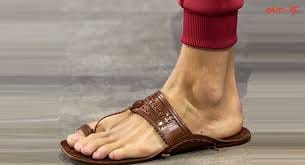

2025 proved to be a defining year for advertising, not because brands stopped taking creative risks, but because audiences became far more adept at decoding them. With rising cultural awareness, heightened social sensitivity and an increasingly media-literate consumer base, campaigns were no longer judged solely on creativity or intent, but on context, consequence and credibility.
From global sports brands and beauty majors to FMCG giants and tech players, several high-visibility campaigns found themselves at the centre of backlash this year. In most cases, the fallout wasn’t triggered by malice, but by misreading cultural nuance, oversimplifying complex realities, or underestimating how quickly audiences call out inconsistencies. These ten campaigns offer a snapshot of how the rules of engagement between brands and consumers are being rewritten in real time.
Nike’s ‘Never Again’ Marathon Billboard
Nike’s outdoor campaign featuring the line “Never Again. Until Next Year.” sparked immediate backlash due to the phrase’s strong historical association with Holocaust remembrance. While the intent was motivational, critics argued that the messaging trivialised a deeply sensitive phrase. Nike later withdrew the creative.
What went wrong: Failure to account for historical and cultural weight attached to language.
Nike’s ‘Never Again’ marathon ad sparks outrage: A costly lesson in cultural blind spots
American Eagle’s Sydney Sweeney ‘Great Jeans’ Campaign
The denim brand’s high-visibility campaign with Sydney Sweeney drew criticism for reinforcing narrow beauty ideals and coded messaging. While the brand positioned it as bold and playful, sections of the audience interpreted it as exclusionary, leading to widespread debate online.
What went wrong: Underestimating how symbolism and wordplay are decoded by today’s audiences.
Sydney Sweeney’s American Eagle campaign: What bold moves in advertising can cost
Fenty Beauty’s India Campaign
Fenty Beauty faced criticism in India after a campaign film was perceived as glossing over real concerns around women’s safety and everyday public interactions. While aligned with global brand tonality, viewers felt the narrative lacked cultural grounding.
What went wrong: Global creative adapted without sufficient local context.
Rihanna’s Fenty Beauty ad in India draws criticism over cultural insensitivity
Lakmé vs The Derma Co Sunscreen Advertising Dispute
A comparative sunscreen campaign escalated into a legal and public dispute over efficacy claims and advertising ethics. The case reignited discussions around responsible communication in personal care advertising and the limits of competitive positioning.
What went wrong: Aggressive comparative messaging without universally accepted substantiation.
Honasa Consumer's Ghazal Alagh ignites fued with HUL's Lakmé over sunscreen 'plagiarism'
Britannia’s ‘Nature Shaped’ ESG Campaign
Britannia’s sustainability-led ‘Nature Shaped’ communication attracted scrutiny from industry observers who questioned whether the campaign leaned more towards ESG optics than measurable environmental impact. While well-intentioned, the campaign fed into wider debates on greenwashing and performative sustainability.
What went wrong: ESG storytelling that invited questions about depth versus declaration.
'The Happiness Project’ by Relaince Digital
Reliance Digital’s The Happiness Project - a branded content series showcasing tech-enabled success stories, drew criticism for feeling more like image-building than genuine empowerment. The scepticism was amplified by ongoing online complaints around customer experience, including delivery delays and after-sales service, creating a perceived disconnect between feel-good storytelling and everyday consumer realities.
What went wrong: Over-curated narratives that struggled to appear authentic against real-world brand experiences.
Prada Kolhapuri Footwear
Luxury fashion imagery resembling Kolhapuri sandals at Milan Fashion Week by Prad sparked backlash for failing to credit the Indian craft tradition. The moment reignited debates on cultural appropriation versus inspiration in global fashion marketing.
What went wrong: Cultural borrowing without visible attribution or acknowledgement.
Kolhapuri in Milan: When Prada slipped into a culture storm
Unacademy’s Association with Samay Raina
Unacademy’s collaboration with comedian Samay Raina triggered mixed reactions, with some questioning the tonal alignment between the edtech platform’s academic positioning and the creator’s humour-driven persona.
What went wrong: Perceived mismatch between brand purpose and creator voice.
boAt’s Republic Day Campaign Backlash
In January 2025, boAt Lifestyle faced strong criticism after releasing a Republic Day campaign featuring a model styled in tricolour-themed headphones paired with swimwear. While the brand intended to create a visually striking patriotic association, many viewers felt the imagery trivialised national symbols and failed to respect the solemnity associated with the occasion. The campaign was widely called out on social media and in mainstream media coverage.
What went wrong: Misjudging the cultural and emotional weight of national symbols and the tone expected around national observances.
The Bigger Pattern in 2025
The backlash seen this year underlines a larger shift: audiences now read advertising like media critics. Intent matters less than impact, and symbolism is dissected in real time. Campaigns that failed often did so not because they lacked creativity, but because they lacked cultural intelligence.
For marketers, 2025 reinforced a hard truth, cultural sensitivity is no longer a safeguard; it is a strategic necessity.
Read more news about Internet Advertising India, Marketing News, PR and Corporate Communication News, Digital Media News, Television Media News
For more updates, be socially connected with us onInstagram, LinkedIn, Twitter, Facebook YouTube & Google News
