The challenge is to evolve while maintaining ABP News’ core strengths: Rajnish Ahuja
Rajnish Ahuja, Executive Vice President (News & Production), ABP Network, spoke to e4m on his new responsibilities, innovations at the network and much more
 by
by
Published: Oct 21, 2024 8:44 AM | 5 min read
 Follow Us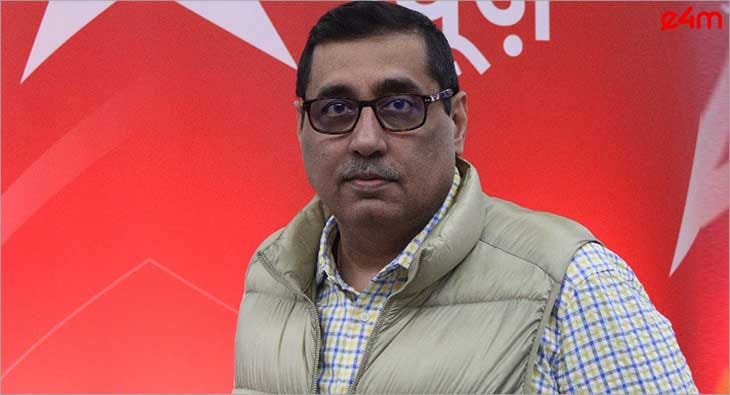

Rajnish Ahuja recently took over as the Executive Vice President (News & Production) at ABP Network. In his first interview in this pivotal leadership role, he shares his vision for steering ABP News through a dynamic and rapidly changing media landscape.
Excerpts:
You have recently assumed the role of Executive Vice President at ABP Network. What has been the most significant challenge in taking on this responsibility, and what are your key priorities?
Taking over this responsibility has been both challenging and exciting. The media landscape is constantly evolving, and keeping up with new trends while maintaining ABP News’ traditional strengths has been my primary challenge. One of my key priorities is bringing ABP News back to the forefront of perception. We have always been known for breaking big stories, and my goal is to ensure that we regain our reputation as a leading source of impactful news.
There are a few areas I plan to revisit. One of them is expanding our reach, not just in terms of viewership but also in the way we gather and present news. During my previous tenure, we didn’t fully utilize the potential of integrating digital with TV. Now, with the right team and tools in place, I plan to focus on this integration and ensure we maximize our content output on all platforms.
Under your leadership, what editorial changes or innovations can we expect at ABP News?
The channel’s core strength has always been its credibility and in-depth reporting. However, we need to make significant strides in our editorial approach to stay ahead. One of the key areas I plan to focus on is content differentiation—how we can stand out from other Hindi news channels. While technology and content are both important, we must understand our audience’s needs and work towards building a stronger connection with them.
The relationship between content and the audience is paramount. We need to deliver what the audience wants in a way that resonates with them. The quality of content, combined with how we engage and interact with our viewers, is crucial. For me, it’s not about focusing on one aspect alone—technology, content, and audience engagement must go hand-in-hand.
The key is also about nurturing talent and encouraging them to think beyond the traditional ways of doing news. We need to bring in younger, innovative minds while also retaining experienced professionals who understand the nuances of journalism. We have already started identifying new talent, and we will continue to provide them with the tools and platforms they need to grow and innovate.
How do you balance the needs of traditional TV journalism with the demands of digital journalism?
The rise of digital platforms cannot be ignored. However, it’s important to balance traditional TV journalism with the demands of digital media. We need to work on a hybrid model that leverages the strengths of both platforms. That’s why I have made it a point to hire talent that understands both TV and digital, so we can bridge the gap and provide seamless news coverage across both mediums.
Maintaining relevance requires us to adapt. We are integrating our news-gathering teams for both TV and digital platforms. For example, a reporter in Lucknow who used to work only on digital content is now handling both TV and digital. The goal is to ensure we remain credible while expanding our reach, combining the immediacy of digital with the depth and analysis of TV.
You have worked with major networks in your career. In your view, how has Hindi TV journalism evolved over the years, and what key shifts have you observed?
The landscape of Hindi TV journalism has undergone significant changes, especially with the advent of digital platforms. One major shift is the speed at which news is consumed today. However, speed should not come at the cost of accuracy. The challenge now is to maintain the balance between being fast and being correct. We must continue evolving, keeping in mind that while digital is fast, TV still holds its ground in providing in-depth, verified news.
Hindi TV journalism is often criticized for sensationalism. How do you plan to maintain a balance between impactful news and avoiding sensationalism?
Sensationalism is something that can damage credibility in the long run. At ABP, we are committed to delivering impactful, meaningful news without resorting to sensationalism. Our focus will always be on truth and depth, providing the audience with the information they need, not just what grabs attention.
Who has been your greatest inspiration, and has there been a pivotal moment that shaped your approach to journalism?
I’ve always believed in learning from the people around me. I wouldn’t say there is one specific individual or event that inspired me, but I have learned from every experience. Every challenge has helped me grow, and every decision I have made has been informed by the lessons I’ve learned along the way. Leadership is about absorbing as much as possible from various fields and applying those lessons in a way that best fits your journey.
Read more news about Television Media, Digital Media, Advertising India, Marketing News, PR and Corporate Communication News
For more updates, be socially connected with us onInstagram, LinkedIn, Twitter, Facebook YouTube & Google News