Universal Pictures warns against AI training by using its films; hints at legal action
The studio’s on-screen warning is a bold move to protect creative IP in the era of generative AI
 by
by
Published: Aug 11, 2025 12:20 PM | 3 min read
 Follow Us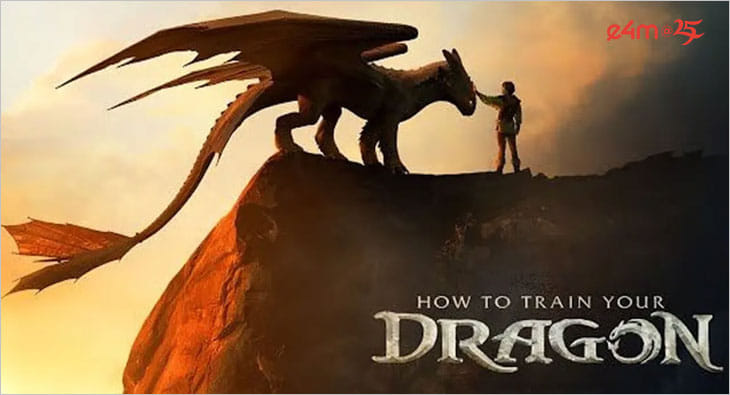

Universal Pictures has taken a firm stand against the unauthorised use of its films to train Generative AI models, adding pointed legal warnings to the end credits of recent releases, including Jurassic World Rebirth and The Bad Guys 2. The American film production company aims to deter the use of its content in AI training by explicitly prohibiting it in the closing credits of its latest titles.
With its latest June release, How to Train Your Dragon, the studio included a statement that its titles “may not be used to train AI,” alongside a standard legal warning: “This motion picture is protected under the laws of the United States and other countries. Unauthorised duplication, distribution, or exhibition may result in civil liability and criminal prosecution.” The notice also invokes provisions from the European Union’s 2019 copyright directive in certain other territories, which allows creators to opt out of such usage for scientific or research purposes.
The move signals a growing determination among major production studios to protect their intellectual property in the face of AI’s rapidly expanding capabilities and appetite for data. This symbolic and strategic decision by Universal places its stance directly before audiences while reinforcing its legal rights across jurisdictions.
Industry watchers note that such notices could strengthen a studio’s position if disputes arise over whether AI companies have violated copyright protections. Edward Saatchi, Founder of Fable Studios, a media company focused on AI-driven storytelling, says, “Hollywood streaming services are about to become two-way entertainment: audiences watching a season of a show, loving it, will now be able to make new episodes with a few words and become characters with a photo. Our relationship to entertainment will be totally different in the next 5 years. We can do so much more with AI.”
Disney and Universal Pictures sued the popular Generative AI model Midjourney in June for plagiarism after it created several copies of trademarked characters like Darth Vader from the Star Wars franchise, Elsa from Frozen, and the Minions from the Despicable Me franchise to train its image- and video-generation tools. The complaint stated that Midjourney earned $300 million last year and is planning to launch a video service in the near future.
By embedding the warning within its films, Universal Pictures is not seeking to block AI outright, but to call for a more transparent and fairly compensated framework for its use. The move also sets a precedent for other content creators navigating the evolving legal and ethical landscape of AI, as studios work to ensure that innovation does not come at the expense of creative ownership.
Read more news about Digital Media, Television Media, Out of Home Advertising, Print Media, Latest Advertising India
For more updates, be socially connected with us onInstagram, LinkedIn, Twitter, Facebook, YouTube & Google News