Brand Modi and Brand Mamata: Changing political equations in West Bengal
The BJP’s growth in Bengal and Narendra Modi’s increasing acceptance among sections of voters has changed the political atmosphere in many districts
 by
by
Published: May 6, 2026 2:17 PM | 5 min read
 Follow Us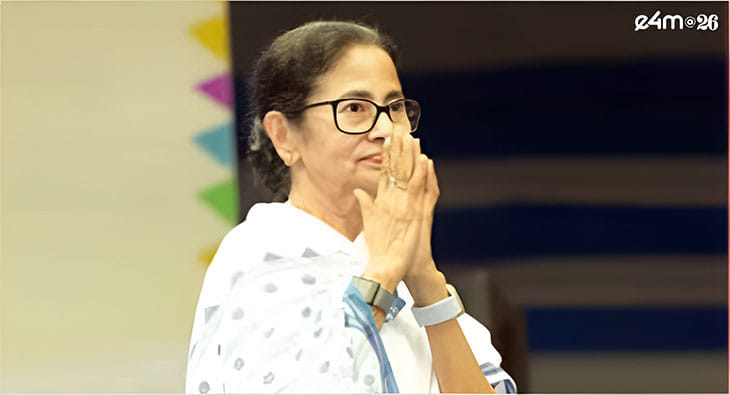

- West Bengal's political landscape is characterized by deep emotional connections to leaders, with Mamata Banerjee maintaining strong support due to her personal bond with voters, despite the rising influence of the BJP and Narendra Modi's development-focused message.
- Voter aspirations are evolving, particularly among the younger generation, who prioritize economic growth, job opportunities, and infrastructure alongside traditional emotional loyalty to political figures.
- The BJP's increased visibility and Modi's communication style have resonated with urban voters seeking faster development, highlighting a shift towards a more aspirational political discourse in the state.
- The future of West Bengal's politics will depend on how leaders balance emotional connections with the need for economic transformation and governance, as voters seek both familiarity and progress.
West Bengal has always had its own political character. People here do not change their political choices very quickly. There is an emotional side to voting in Bengal and that has remained true for decades. A leader who connects with the people usually stays relevant for a long time.
That is why the recent shift in political conversations across the state has become important. The BJP’s growth in Bengal and Narendra Modi’s increasing acceptance among sections of voters has changed the political atmosphere in many districts. At the same time, Mamata Banerjee still continues to enjoy strong support because of the emotional bond she has built over the years.
The discussion therefore is not really about one leader replacing another. It is more about how Bengal’s voters are balancing emotion with aspiration.
Bengal’s Culture of Loyalty
In Bengal, loyalty matters a lot. People often stay attached to leaders and ideas for years. Even in daily life, Bengalis are known to continue with familiar brands and habits for a very long time. Politics is no different.
For years, Mamata Banerjee managed to create that comfort factor with people. Many voters saw her as someone who understood Bengal and spoke in a language they related to.
Brand Mamata and the Emotional Connect
Mamata Banerjee’s biggest strength has always been her personal connect with ordinary people. Her public image remained simple and direct. Whether one agreed with her politics or not, there was no denying that she had built a strong emotional space in Bengal politics.
Schemes aimed at women and rural communities also helped strengthen this image. Over time, “Didi” became more than just a political identity. It became a familiar and trusted face for many households.
But politics never remains static. A younger generation of voters has different expectations today. Conversations around jobs, industries, investment, and opportunities have become stronger than before.
Changing Aspirations of Voters
At the same time, long years in power naturally bring rising expectations. As societies evolve, voter aspirations also change. Younger generations increasingly focus on employment opportunities, economic growth, infrastructure, and industrial progress. Emotional loyalty continues to matter, but people also begin to evaluate governance through the lens of future opportunities. In recent years, sections of Bengal’s voters, particularly the youth and urban middle class, started expressing the desire for faster development and greater economic momentum.
The Rise of Brand Modi in West Bengal
Narendra Modi’s rise in Bengal has come largely from this changing mindset among voters. His politics has been built around development, infrastructure, governance, and national growth. This message found support among people who felt Bengal needed faster economic progress.
Many younger voters, especially in urban areas, were attracted by the idea of growth and opportunity. The BJP also worked aggressively on the ground and increased its visibility in places where earlier it had very little presence.
Another factor was Modi’s communication style. His rallies and speeches created attention and helped the BJP build momentum in the state.
At the same time, Bengal is not an easy state politically. Emotional and cultural identity still matter deeply here. Any party wanting long-term success in Bengal has to connect with that emotional side as well.
The Importance of Cultural Connection
However, West Bengal remains a unique political and cultural landscape. Emotional identity and cultural belonging continue to play a very important role in public life. Therefore, any political party seeking long-term acceptance in the state has to build not only organizational strength but also cultural and emotional understanding.
Trust, Governance and Public Perception
The political developments in Bengal show how public expectations are changing. Voters today are not only looking at emotional identity but are also asking questions related to economic growth, opportunities, and governance.
For Mamata Banerjee, the challenge is to retain her emotional connect while responding to changing aspirations. For Narendra Modi and the BJP, the challenge is to convert political momentum into long-term trust.
In the end, voters respond to leadership that gives them confidence about the future. Political popularity may create momentum, but sustained trust comes only through visible progress and stability.
The Road Ahead for Political Leadership
For Mamata Banerjee, the challenge going forward is to continue retaining her emotional connect while addressing aspirations related to growth, investment, and employment. Her strongest asset remains the personal bond she shares with many people across Bengal. At the same time, governance today requires balancing welfare politics with economic transformation.
For Narendra Modi and the BJP, the opportunity lies in converting political support into long-term trust through inclusive growth and visible development. Political gains become sustainable only when people experience real progress in their everyday lives. Employment generation, industrial investment, infrastructure, and social harmony will remain important factors in shaping future political perceptions.
Conclusion
West Bengal’s politics today reflects two important realities. One is the emotional connection many people still feel with Mamata Banerjee. The other is the growing attraction towards Narendra Modi’s development-oriented politics among sections of voters.
This is what makes Bengal politically interesting. Voters are not thinking only emotionally anymore, but they are also not ready to completely disconnect from emotional identity either. They seem to be looking for a balance between familiarity, stability, and future opportunities.
In many ways, that explains the rise of Brand Modi in West Bengal. It is less about sudden political change and more about changing aspirations among people, especially the younger generation. At the same time, Brand Mamata continues to remain deeply rooted in Bengal’s political and cultural landscape.
The coming years will show how these two political narratives continue to shape the future of the state.
(The views are personal.)
Read more news about Digital Media, Television Media, Out of Home Advertising, Print Media, Latest Advertising India
For more updates, be socially connected with us onInstagram, LinkedIn, Twitter, Facebook, YouTube & Google News
