We have become a digital-first brand: Ankit Agarwal, Mktg Director-Doritos, PepsiCo India
As digital discovery, quick commerce and cultural consumption reshape FMCG, Doritos’ approach reflects a shift towards real-time relevance and evolving consumer engagement
 by
by
Published: May 1, 2026 8:51 AM | 7 min read
 Follow Us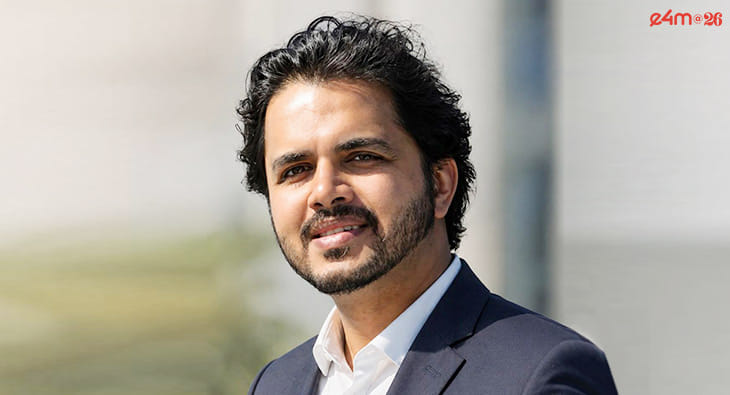

- The Indian snacking market is evolving from traditional marketing methods to a digital-first approach, emphasizing real-time consumer engagement and cultural relevance through platforms powered by AI and quick commerce.
- Brands like Doritos are adapting their strategies to become more accessible while maintaining a premium image, catering to a broader audience, including consumers in tier two and tier three cities.
- The shift in consumer behavior is moving snacks from mere functional consumption to cultural participation, with brands positioning themselves as enablers of social experiences rather than just products.
- As global flavors gain popularity, FMCG brands are innovating to meet consumer demands for diverse and bold taste profiles, reflecting a broader trend of food as a medium for exploration and identity expression.
The Indian snacking aisle is no longer just about taste, price and distribution. It is becoming a reflection of how consumers live, connect and express themselves. What was once a category driven by shelf visibility and mass media is now being redefined by algorithms, creators and cultural moments that unfold in real time. For marketers, this transition is less about replacing traditional levers and more about recalibrating the entire demand engine.
At the heart of this shift lies a compressed consumer journey. Discovery, consideration and trial are increasingly collapsing into a single digital interaction. Platforms powered by AI and quick commerce are not just influencing what consumers buy but also how quickly they decide. For impulse-driven categories like snacks, this has profound implications. It reduces friction but raises the bar on relevance, visibility and differentiation.
This is where brands like Doritos, under PepsiCo India, are actively rethinking their playbook. The brand’s evolution from a premium import to a culturally embedded, digitally led product offers a lens into how FMCG marketing is being rewritten for a more connected and expressive consumer base.
Digital-first is no longer optional
For decades, FMCG brands relied on television and large-scale media to build awareness. That model is now being supplemented, and in some cases challenged, by a digital-first approach that prioritises interaction over broadcast.
Ankit Agarwal, Marketing Director for Doritos at PepsiCo India, points out that the shift is both structural and cultural. “Over the last couple of years, we have become a digital-first brand. While traditional remains important for scale, digital allows us to have a more personal, two-way conversation with our audience,” he says.
This shift is not merely about media allocation. It reflects a deeper change in how brands engage with consumers. Digital ecosystems allow for immediate feedback, real-time optimisation and culturally relevant storytelling. Creators and influencers, in particular, have emerged as key enablers of this transition.
Agarwal notes, “Influencers and creators play a key role in bringing the brand’s bold personality to life in formats that feel native to platforms.” This is critical in a landscape where consumers are not just passive recipients of content but active participants in shaping brand narratives.
The implication for FMCG marketers is clear. Relevance is now built through participation rather than repetition.
Quick commerce and the collapse of the funnel
One of the most significant changes in the FMCG ecosystem has been the rise of e-commerce and quick commerce. For impulse categories like snacks, these platforms are not just distribution channels but growth accelerators. Agarwal describes this as a dual advantage. “Quick commerce gives us faster deliveries, which is important for an impulse category. But it also removes the limitation of physical shelf space. Consumers can access a much wider range of flavours and formats,” he explains.
This expanded assortment is quietly reshaping consumer behaviour. Exposure to global formats and flavours is increasing experimentation, especially among younger audiences. At the same time, the immediacy of delivery is reinforcing impulse consumption. More importantly, the integration of AI-driven discovery with e-commerce is shrinking the path to purchase. Agarwal highlights this transformation. “The entire journey from discovery to trial can now happen in a matter of minutes on your phone. AI helps reduce friction in discovery, and quick commerce completes the loop.”
This shift from a push model to a pull model is critical. Traditionally, brands built awareness through advertising and waited for consumers to recall them at the point of purchase. Today, consumers actively seek recommendations, often through AI interfaces, and move directly to purchase platforms. For FMCG marketers, discoverability is becoming as important as visibility.
Premiumisation meets accessibility
Even as the category evolves, one of the most nuanced shifts is in how premiumisation is playing out across India. Doritos, once seen as a niche, premium offering, is now positioning itself as both aspirational and accessible. “I’m glad you called Doritos a mass brand,” Agarwal says, reflecting on the brand’s journey. “It is still seen as premium, but also relatable and accessible.” This balance is particularly important as growth expands beyond metros. While urban markets continue to drive scale, tier two and tier three cities are emerging as significant contributors, driven by a mix of access, affordability and aspiration.
Agarwal observes, “We are seeing growing interest from smaller markets. The intent to experiment with newer formats and flavours is clearly building.” However, this growth comes with its own challenges. Price sensitivity remains a key factor, requiring brands to rethink pack sizes and pricing strategies. Smaller packs act as trial vehicles, enabling consumers to experience the product before upgrading to larger formats.
This approach underscores a broader trend. Premiumisation in India is not about exclusivity. It is about enabling access to better experiences at multiple price points.
Snacking as culture, not just consumption
Perhaps the most significant transformation in the category is the shift from functional consumption to cultural participation. Snacks are no longer just about hunger. They are becoming integral to how consumers socialise and express themselves. Agarwal frames this evolution succinctly. “Snacking has become a social and cultural ritual. It is central to shared experiences, from hangouts to gaming sessions.”
This shift is driving brands to rethink their role. Instead of positioning themselves as products, they are becoming enablers of moments. Doritos’ recent campaign around hangouts reflects this approach, embedding the brand within real-life cultural contexts rather than imposing a narrative. In this context, authenticity becomes a critical differentiator. “It’s not about creating a new narrative. It’s about being part of an existing one and building on it,” Agarwal explains. This philosophy aligns with the expectations of younger consumers, who value brands that reflect their realities rather than dictate them.
The rise of experiential marketing
As consumption becomes more experiential, marketing is following suit. Events, concerts and immersive brand experiences are gaining traction across FMCG categories. Agarwal sees this as a natural progression. “Experiential marketing is going to be on the rise. It allows consumers to engage with the brand in their highest moments, when they are with friends and having a great time,” he says.
These experiences serve a dual purpose. They help brands break through clutter while also creating deeper emotional connections. In a fragmented media landscape, this kind of engagement offers a level of attention that traditional formats often struggle to achieve. For snacking brands, the opportunity lies in integrating seamlessly into these moments, reinforcing their role as part of the experience rather than just a product.
Global flavours and the evolving palate
The increasing openness to global flavours is a stark difference that can be seen in the consumer market. As consumers become more exposed to international cuisines, their expectations from snacking are also evolving. Agarwal points to this shift as a key growth driver. “Consumers today are seeking bolder, more diverse flavour profiles. There is a big opportunity to bring global formats and customise them to local tastes.”
Innovations like Doritos Dinamita are designed to tap into this demand for intensity and differentiation. Such products not only expand the brand’s portfolio but also help in premiumising the consumer base by offering elevated experiences.
This trend reflects a broader cultural shift. Food is becoming a medium of exploration, and brands that can deliver novelty without losing relevance are likely to gain an edge.
A new playbook for FMCG
The convergence of digital, commerce and culture is creating a fundamentally different operating environment for FMCG brands. The traditional levers of scale and distribution remain important, but they are no longer sufficient.
Instead, success will depend on how well brands can navigate a landscape defined by immediacy, interaction and intent. Discoverability will matter as much as availability. Authenticity will outweigh amplification. And experiences will complement transactions. As Agarwal puts it, “The category is moving towards more experiential, more social and more expressive consumption. Snacking is becoming a reflection of lifestyle and identity.”
For industry leaders, this is both a challenge and an opportunity. The rules are being rewritten, but so is the potential for growth.
Read more news about Marketing News, Advertising News, PR and Corporate Communication News, Digital News, People Movement News
For more updates, be socially connected with us onInstagram, LinkedIn, Twitter, Facebook, YouTube & Google News