Unified measurement system has to be pushed by advertisers: Shashi Sinha
Shashi Sinha, CEO, IPG Mediabrands India, engaged in an insightful chat with e4m Editor Tasmayee Laha Roy on a balanced media mix, concerns about transparency in the digital space and much more
 by
by
Published: Nov 11, 2024 3:57 PM | 6 min read
 Follow Us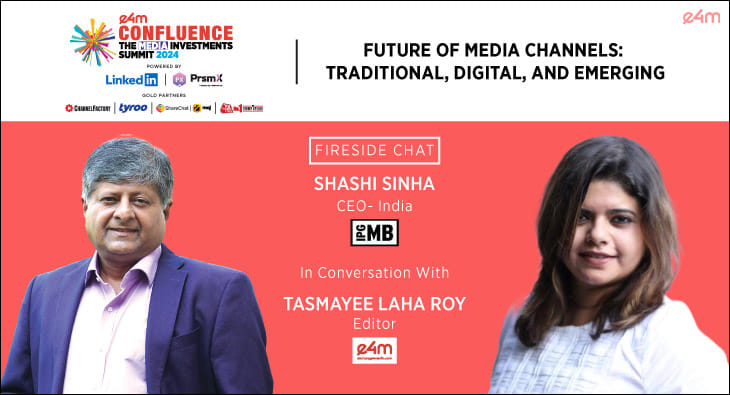

The e4m Confluence Media Investment Summit saw industry leaders delve deep into the evolving dynamics of media channels. One such insightful session had Shashi Sinha, CEO of IPG Mediabrands India, engage in an insightful conversation with Tasmayee Laha Roy, Editor at e4m.
Sinha shared his perspective on the present and future roles of traditional, digital, and emerging media platforms. His insights reflected the intricate challenges and immense opportunities awaiting brands in the media ecosystem.
Opening the conversation, Sinha highlighted how rapidly the media landscape has transformed in recent years, with digital media making unprecedented strides. “We’re not just talking about evolution here; it’s almost a revolution,” he stated, pointing to the fast pace at which digital channels have risen to prominence. But he was quick to add that traditional media, particularly television, remains significant in India. "Television still has unmatched reach, especially in rural areas. While digital is growing, TV isn’t going anywhere," he noted, underlining the value of a balanced media mix.
Sinha acknowledged that while digital media has introduced new opportunities for precision and targeting, traditional media like television and print continue to play an essential role in India’s diverse market. “India is a unique country,” he remarked, explaining that the media consumption patterns in rural and urban areas are vastly different. He emphasized that television’s reach is unrivalled in rural regions, where digital infrastructure may still be limited. This enduring relevance of TV challenges the notion that digital will soon eclipse all other forms of media.
Sinha also stressed the need for brands to avoid over-focusing on digital at the cost of traditional media. His remarks reinforced the importance of a hybrid media approach that leverages the strengths of both traditional and digital channels. In his view, the most successful brands are those that can skillfully balance investments across multiple media, reaching diverse audiences through the right combination of platforms.
On integrating traditional and digital media, Sinha observed that a more connected, multi-screen world has opened doors for campaigns that seamlessly bridge these channels. “The future lies in integration. We’re seeing campaigns where digital enhances the impact of a TV ad, creating a multi-screen experience that’s more immersive,” he explained. By synchronizing messaging across platforms, brands can create a unified experience that resonates with audiences more deeply than a single-channel approach.
For instance, he noted how some campaigns use digital to extend the lifespan of television ads. Viewers might see an ad on TV, engage with it on social media, and eventually visit the brand’s website for more information, leading to a cohesive brand journey. “It’s all about creating touchpoints across different platforms and letting the consumer engage with the brand in multiple ways,” he remarked. Sinha’s emphasis on integration reflects a key shift in media strategy—moving from isolated channels to a harmonious, omnichannel presence.
Sinha also acknowledged the advantages digital media brings, from detailed targeting capabilities to measurable results. However, he also highlighted some challenges. “Digital media offers unmatched targeting capabilities, but also brings issues around ad fraud and measurement,” he stated, referring to industry-wide concerns about transparency in the digital space. As more brands pour investments into digital advertising, issues like ad fraud and the lack of standard measurement metrics become increasingly pressing. “Unified measurement system has to be pushed by advertisers,” Sinha emphasized.
In Sinha’s view, addressing these challenges requires industry-wide cooperation to establish consistent standards and regulations. He emphasized the need for a robust ecosystem that protects brands’ interests while providing them with accurate data on the performance of their campaigns. “We need transparency in digital advertising. Brands should know exactly what they’re paying for and what impact it’s having,” he asserted. His comments reflect a call to action for the media industry to enhance accountability and trust within the digital landscape.
Beyond transparency, Sinha also discussed the unique way digital platforms have changed content consumption. “Audiences today are not just passive consumers; they’re active participants. Digital allows them to interact, which is a huge shift,” he observed. This shift from passive to active engagement has led to new opportunities for brands to create interactive campaigns that invite consumers to participate, share, and engage with content in real-time.
Turning his attention to emerging media platforms, Sinha expressed optimism about their potential to reach niche audiences and provide fresh avenues for brand engagement. He specifically mentioned the growing popularity of short-form video apps and regional content platforms, which have gained a significant foothold among younger and regional audiences. “The appeal of regional and short-form platforms is undeniable, and brands need to recognize that these platforms are now part of the mainstream media mix,” he said.
His observations highlight a trend toward hyper-localization and personalization in media. As consumers increasingly seek content that resonates with their linguistic and cultural backgrounds, regional platforms offer brands an effective way to connect on a deeper level. “Brands that adapt to local nuances and speak the language of their audience are the ones that will thrive,” he noted.
Sinha also discussed the role of emerging technologies such as Artificial Intelligence (AI) and Augmented Reality (AR) in shaping the future of media. “We’re just scratching the surface of what’s possible with AI in media. From personalization to content creation, the possibilities are endless,” he commented. These technologies, he suggested, could transform media by enabling brands to deliver highly personalized content and immersive experiences.
Wrapping up his session, Sinha emphasized that adaptability is crucial for brands hoping to navigate the constantly evolving media landscape. “The brands that will succeed are those willing to innovate, whether it’s trying new platforms or experimenting with different media combinations,” he stated. In his view, the brands that thrive will be those that are open to exploring uncharted territory, even if it means taking risks with untested platforms or strategies.
Sinha’s message was clear: the media landscape is too dynamic for brands to rely on a one-size-fits-all approach. Flexibility and a willingness to experiment are essential as traditional, digital, and emerging channels converge into a complex but interconnected ecosystem.
The session concluded with Sinha reiterating the importance of a balanced, holistic approach to media planning. In a world where consumer behaviours are constantly shifting, brands must blend traditional reach with digital engagement, while also exploring the potential of new platforms and technologies. Sinha’s insights offered a roadmap for brands aiming to stay relevant in an era where media is both fragmented and interconnected. His vision for the future of media channels encourages brands to embrace change, integrate across platforms, and ultimately build stronger, more meaningful connections with their audiences.
Read more news about Marketing News, Advertising News, PR and Corporate Communication News, Digital News, People Movement News
For more updates, be socially connected with us onInstagram, LinkedIn, Twitter, Facebook, YouTube & Google News