Brands need to move beyond trend-chasing: Neha Jolly Sawhney & Yagnesh Ravi, Snap Inc
Neha Jolly Sawhney, Head of Ad Revenue, and Yagnesh Ravi, Lead Ad Solutions at Snap Inc., discuss Snapchat’s growing adoption among advertisers in India
 by
by
Published: Jun 5, 2026 8:57 AM | 5 min read
 Follow Us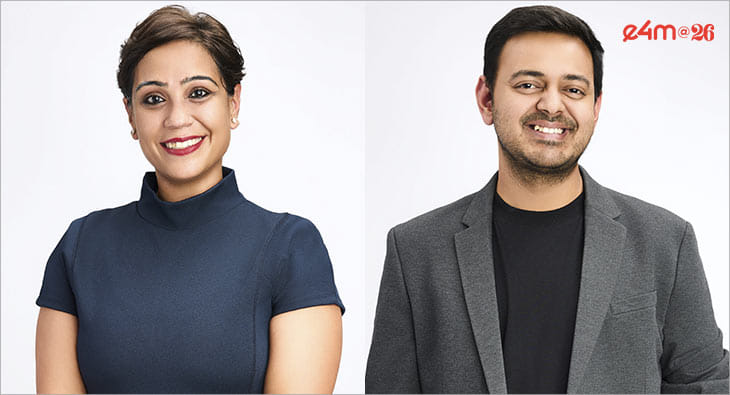

- Snapchat is transitioning from an experimental advertising platform to a mainstream media channel in India, with brands increasingly investing in immersive formats and creator-led content to engage Gen Z consumers.
- The platform has seen a diverse mix of advertisers, including traditional brands and emerging sectors like fintech and AI, reflecting a significant transformation in its advertiser ecosystem over the past two to three years.
- Key shifts influencing campaign planning on Snapchat include the rise of chat as an advertising environment, increased use of augmented reality, demand for interactive video formats, and a focus on creator partnerships, although measuring the impact of these campaigns remains a challenge.
- Snapchat is leveraging artificial intelligence to enhance user experiences and campaign optimization, while also emphasizing the importance of cultural relevance and attention-based measurement in advertising strategies to better engage younger audiences.
Snapchat is witnessing a clear shift from experimental advertiser budgets to always-on investments in India, as brands increasingly look to engage Gen Z consumers through immersive formats, creator-led content and cultural moments, according to Neha Jolly Sawhney, Head of Ad Revenue, Snap Inc., and Yagnesh Ravi, Lead Ad Solutions, Snap Inc.
Speaking to exchange4media, the executives said the platform has evolved from being viewed as an innovation-led channel to becoming an increasingly important part of advertisers’ mainstream media plans, driven by changing consumer behaviour, stronger performance outcomes and advancements in AI-powered advertising solutions.
"Over the last 18 to 24 months, we've seen advertisers move from experimental spends to a significant portion of the media buy," said Sawhney. "I don't think we're the innovation bucket anymore. I think we're part of mainstream media spend."
According to Sawhney, Snapchat's advertiser ecosystem in India has undergone a significant transformation over the last two to three years. While digital-native brands were among the platform's earliest adopters, the advertiser mix today includes traditional brands as well as emerging sectors such as fintech and AI.
"When we started with a full team, it was largely born-digital advertisers who naturally took to Snap. Today, we're seeing traditional brands show up much more meaningfully on the platform. At the same time, categories like fintech and AI, which are often difficult to showcase visually, are finding creative ways to connect with audiences through Snapchat," she said.
The shift in advertiser interest is also being shaped by the way younger audiences consume content. Ravi noted that Snapchat's unique architecture, particularly its camera-first experience, chat-based interactions and strong adoption of augmented reality, is prompting brands to rethink how they communicate with Gen Z consumers.
Ravi added, "India is one of Snapchat's largest AR consumption markets and also one of our largest developer markets. Because of that, advertisers have had to rethink what showing up effectively for Gen Z looks like."
He identified four major shifts influencing campaign planning on the platform: the rise of chat as an advertising environment, increased adoption of augmented reality experiences, growing demand for interactive video formats, and creator-led engagement models that differ from traditional influencer marketing.
Among these, creator partnerships are emerging as a particularly important focus area for brands. Ravi highlighted formats such as Creator Snaps, which allow creators to reach users directly through Snapchat's chat interface, as an example of how engagement on the platform differs from other social media environments.
However, he acknowledged that measuring the true impact of creator campaigns remains an industry-wide challenge.
"We're working towards giving brands much clearer visibility into how creator campaigns drive outcomes, not just at a lower-funnel level but also in terms of brand lift and broader business impact. That's a key focus area for us over the coming months," Ravi said.
Artificial intelligence is another area where Snapchat sees significant opportunity, both from an advertiser and consumer perspective.
Sawhney said the company has been an early adopter of AI-led experiences, pointing to features such as My AI and generative AI-powered lenses that enable brands to create more personalised and immersive consumer experiences.
Beyond creative development, AI is also being integrated into campaign optimisation and performance solutions through products such as Smart Campaign Solutions.
Ravi said Snapchat's AI strategy differs from many industry approaches that focus primarily on efficiency and automation for marketers.
He noted, "A lot of AI today is about reducing time, making things faster and cheaper. The versions of AI that we're betting on are those that delight users.”
The company is building AI-powered conversation flows that would allow users to interact with brands through natural-language conversations, enabling richer discovery and engagement experiences.
As marketers continue to pursue Gen Z audiences, Ravi believes brands need to move beyond trend-chasing and instead focus on cultural relevance.
Referencing findings from a BCG study, he noted that younger consumers increasingly value cultural and festive moments, adapting traditions to fit their own identities and lifestyles.
"Gen Z consumers care deeply about cultural moments. Rather than constantly chasing trends that may last a few hours or a couple of days, brands have an opportunity to become part of celebrations and moments that already matter to consumers," he said.
This insight has informed Snapchat's growing focus on "moments"-based advertising initiatives. Following strong engagement around properties such as Cricket in a Snap and campaigns built around occasions like Mother's Day, the company plans to expand its moments strategy further.
For Sawhney, Snapchat's growing relevance in media planning is also linked to changing advertiser expectations around measurement and effectiveness.
She said marketers are increasingly looking beyond traditional metrics such as reach and view-through rates and are placing greater emphasis on meaningful engagement and business outcomes.
Sawhney added, "the way brands evaluate media is evolving. As advertisers become more intentional about every dollar they spend, platforms have to demonstrate stronger returns and more meaningful engagement.”
Looking ahead, Ravi believes the industry's biggest shift will be the move from vanity metrics towards attention-based measurement.
"We're in a world where it's never been easier for brands to reach audiences, yet it's becoming harder than ever to be remembered," he said.
According to Ravi, Snapchat is working with agency and brand partners to shift conversations from impressions and reach towards genuine consumer attention, arguing that this transition will ultimately encourage advertisers to create more engaging and consumer-centric experiences.
Alongside attention metrics, the company expects creators, cultural moments and performance-led advertising solutions to play a central role in shaping Snapchat's growth story in India. Ravi concluded by saying that Snap's focus remains on enabling brands to participate more organically in cultural moments, simplifying creator collaborations and developing AI-led consumer experiences.
Read more news about Marketing News, Advertising News, PR and Corporate Communication News, Digital News, People Movement News
For more updates, be socially connected with us onInstagram, LinkedIn, Twitter, Facebook, YouTube & Google News