Inside Meesho launchpad that turned small-town creators into stars like Nancy Tyagi
The Meesho Creator Club is enabling lakhs of everyday creators to earn steady incomes by promoting products priced mostly under Rs 999
 by
by
Published: Dec 9, 2025 10:01 AM | 5 min read
 Follow Us

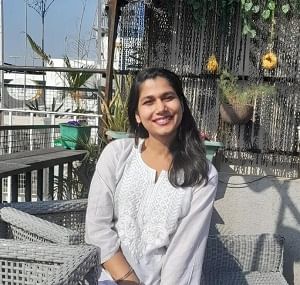
A few years ago, a young girl from Banwar village in Uttar Pradesh was filming fit-change reels on a low-budget phone, stitching her own outfits, and hoping one of those videos would go viral. Today, Nancy Tyagi is designing performance outfits for global artists like Tyla and working with some of the biggest names in tech, beauty and fashion. Her rise is extraordinary, but it is also symbolic of a much bigger shift unfolding across India, a creator economy increasingly powered by small towns, value-first consumers.
Long before Samsung Galaxy, Maruti Suzuki Viatra, Amazon.in, OnePlus Nord 4, L’Oréal Paris, Myntra FWD, Forever52, Sugar, Clinic Plus, Tata Neu, Urbanic, Sonata, Mars or CaratLane, it was Meesho that gave her the early visibility and income she desperately needed.
She was living with her mama and mamaji because her parents couldn’t afford the expenses, yet her mother Maya and brother stood by her through every reel, every stitch, every setback. Those early Meesho transition videos were her financial lifeline and her first runway.
View this post on Instagram
View this post on Instagram
A Movement Born Outside the Metros
Nancy’s story is no longer an exception. It reflects a growing tribe of creators emerging from Tier 2 and Tier 3 cities who are now shaping India’s digital economy. Their videos are shot in living rooms, courtyards, rooftops, rented hostels and college dorms. Their audience, too, is hyperlocal and deeply trusting. And their earliest brand associations, in most cases, began with Meesho.
Aanchal Madnani, a fashion and lifestyle creator from Jaipur, started her content journey with Meesho kurtis under Rs 500. She said she still remembers when her first reel hit 4K views. She was thrilled. People were commenting on her post asking for links to the kurtis. Slowly, big brands like Freakins and Amazon started collaborating with her. “Meesho was my start but I want to work with global brands,” she told e4m.
The Meesho Creator Club has quietly grown into one of India’s largest affiliate-driven ecosystems, enabling lakhs of everyday creators to earn steady incomes by promoting products priced mostly under Rs 999. According to internal program data, top performers make anywhere between Rs 25,000 and Rs 60,000 a month across WhatsApp, Instagram and YouTube Shorts. New creators start earning Rs 3,000 to Rs 10,000 within weeks just by sharing kurtis under Rs 499, beauty picks under Rs 299 and kitchen tools under Rs 999.
For many, this is their first-ever income, a moment that shifts not only their personal trajectory but their entire family’s story. More than one lakh creators now actively use the platform’s dashboard every month. Creators with just 1,000 followers can join the Club, receive weekly payments and get a 10x boost on their videos. Over 50,000 creators are officially part of the club, though the broader ecosystem is far larger.
View this post on Instagram
View this post on Instagram
When you place Nancy’s journey next to these creators — the homemaker who started earning through kurtis, the college student who supports her hostel fees through beauty products, the young father supplementing his income through kitchen tools — the picture becomes clear: this is not about one creator's success. It is about an industrial-scale creator revolution that started outside India’s metros.
A Market Ready for Its Next Leap
This shift is happening at the same time as India’s e-commerce market undergoes a massive expansion. India’s Rs 6 lakh crore online retail sector is expected to reach Rs 15–18 lakh crore by FY30. Tier 2+ consumers will drive more than half of that growth. These are the same consumers that Meesho has always catered to — value-driven, price-sensitive and incredibly responsive to trusted recommendations from relatable creators.
It is no surprise then that Meesho’s Rs 5,421.20-crore IPO became one of the most closely watched of the year. The subscription window closed on December 5 with an overall subscription of 79.03 times. QIBs oversubscribed their portion by 120.18 times. The numbers reflect confidence not just in Meesho as a business, but in the entire economy of small-ticket, high-frequency commerce that India is now leaning into.
Meesho’s model is built on logistics income through fulfilment fees and an increasingly powerful advertising engine where sellers bid for visibility. In FY25, Meesho held 21–23% GMV share in Fashion, 23–25% in Home, Kitchen and Furnishing and 8–10% in Beauty and Personal Care. Its logistics network, Valmo, is entirely asset-light, operating through third-party partners without owning warehouses or fleets. This allows shipment costs to remain 0.5–11% lower than competitors, enabling large-scale growth even at lower average order values.
The challenges remain real. Amazon and Flipkart have the financial muscle to waive fees, subsidise sellers and discount aggressively for long periods. To stay competitive, Meesho may need to increase its own marketing and fulfilment spends. But the platform has one strategic advantage competitors cannot replicate overnight: a grassroots creator economy built on trust and relatability.
Nancy Tyagi’s arc makes for a powerful headline, but her rise is only one thread in a much wider tapestry. As more creators from Bhopal, Nagpur, Gorakhpur, Coimbatore, Guwahati, Ranchi and Baghpat enter the ecosystem, the definition of influence in India is shifting. Their content is not aspirational in the old sense; it is authentic, unpolished and deeply grounded in real-life experience. Brands may chase celebrity creators, but millions of Indians rely on someone who looks like them, speaks like them and lives like them.
Read more news about Influence Zone, Marketing, PR and Corporate Communication, Internet Advertising, People Movement
For more updates, be socially connected with us onInstagram, LinkedIn, Twitter, Facebook, YouTube & Google News