New Zealand proposes social media ban for children under 16
Companies that fail to comply could face penalties of up to 10% of their global revenue
 by
by
Published: Aug 24, 2026 5:26 PM | 2 min read
 Follow Us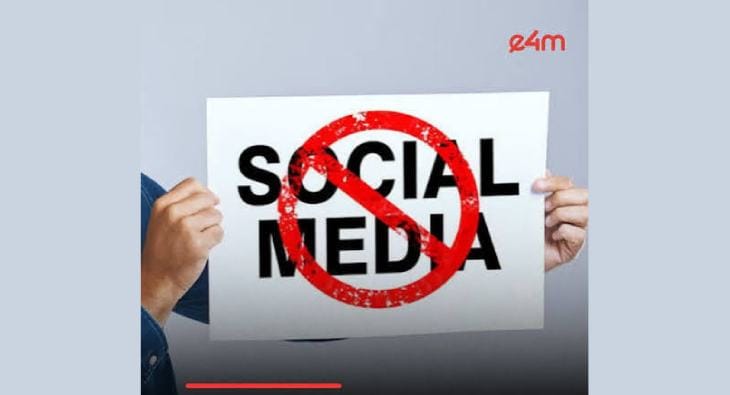

- New Zealand Prime Minister Christopher Luxon has proposed legislation to ban children under 16 from using social media, requiring platforms to verify users' ages through various methods.
- Companies that do not comply with the age verification requirements could face penalties of up to 10% of their global revenue.
- The legislation aims to protect children's mental health and well-being from harmful content and addictive design, but faces opposition from New Zealand First, a coalition partner, which believes parental responsibility should prevail.
- This proposal aligns with a global trend of increasing regulatory scrutiny on children's access to social media, following Australia's similar restrictions implemented in December 2025.
New Zealand Prime Minister Christopher Luxon has announced plans to introduce legislation that would ban children under 16 from using social media, following a similar move by Australia last year.
The proposed law would require social media platforms to take reasonable steps to verify users’ ages. Platforms could use existing account information, facial recognition technology and digital identity documents to determine whether users meet the minimum age requirement.
Companies that fail to comply could face penalties of up to 10% of their global revenue.
Luxon said the measure is aimed at protecting children from harmful content, addictive product design and other pressures associated with social media use, which he said were affecting young people’s mental health, sleep, education and family life.
However, the bill faces an uncertain path through Parliament.
New Zealand First, one of Luxon’s coalition partners, has said it will not support the proposal. Party leader and Foreign Minister Winston Peters criticised the approach, arguing that restricting children’s social media use should primarily remain the responsibility of parents.
Peters also described Australia’s under-16 social media restrictions as a “colossal failure”.
Australia became the first country to introduce a nationwide social media ban for children under 16 in December 2025. The rules apply to platforms including TikTok, YouTube, Instagram and Facebook.
Luxon acknowledged that enforcing such a ban would be difficult and that some children would inevitably find ways around the restrictions, but said the potential harms justified pursuing the legislation.
The proposal adds New Zealand to a growing list of governments seeking tougher restrictions on how children access and interact with social platforms.
Regulators globally are increasingly focusing not only on harmful content itself but also on age verification, recommendation systems and product features designed to maximise engagement among younger users.
Read more news about Digital Media, Internet Advertising, Marketing News, Television Media, Radio Media
For more updates, be socially connected with us onInstagram, LinkedIn, Twitter, Facebook, YouTube & Google News
