Madras HC backs tighter social media access for minors: What it means for advertisers
A potential restriction on children’s access to social media could reshape audience segmentation and targeting strategies
 by
by
Published: Dec 26, 2025 3:54 PM | 4 min read
 Follow Us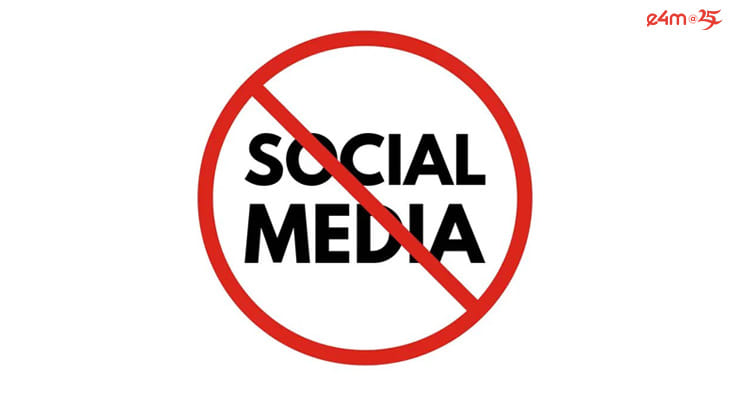

The Madras High Court’s suggestion to consider an Australia-style framework restricting children’s access to social media could have significant implications for digital advertising, platform targeting, and content moderation strategies within India’s online ecosystem.
A bench comprising Justices G. Jayachandran and K. K. Ramakrishnan made the observation on 23 December while disposing of a public interest litigation concerning the easy availability of pornographic content on the internet. The court suggested that the Union government consider legislation similar to Australia’s, while urging authorities to intensify awareness campaigns in the meantime.
“Union of India may explore the possibility of passing legislation like Australia. Till such legislation is passed, the authorities concerned shall accelerate their awareness campaign more effectively. They shall take the message to the vulnerable group through all available media,” the court said.
Why the Ruling Matters to Platforms
The reference to Australia is particularly significant for social media platforms operating in India. Under Australian law, platforms must prevent users under the age of 16 from creating or holding accounts, with the responsibility for compliance placed squarely on companies rather than on parents or children.
If a similar approach is adopted in India, platforms may need to strengthen age-verification mechanisms, revise onboarding processes, and implement stricter controls on youth access. This could directly affect platform scale, particularly for services where teenage users constitute a significant portion of daily active users and engagement.
From an advertising perspective, restricting access for underage users would also shrink the addressable audience for categories that currently depend on broad reach, including gaming, entertainment, edtech, FMCG, and mobile-first brands.
Impact on Ad Targeting and Media Planning
A potential restriction on children’s access to social media could reshape audience segmentation and targeting strategies. Advertisers may need to rely more heavily on age-gated environments, contextual advertising, and first-party data, particularly as regulatory scrutiny of minors intensifies.
Brands targeting younger audiences may also shift towards alternative channels, such as connected TV, gaming platforms, influencer-led family content, and offline activations, depending on how enforcement develops.
For platforms, tighter rules could create a clearer separation between adult and minor audiences, potentially affecting ad inventory pricing, brand safety positioning, and compliance-driven product adjustments.
The public interest litigation was filed in 2018 by S. Vijayakumar, a resident of Madurai, who raised concerns about young children’s access to pornographic material. The petition sought directions for child rights commissions and internet service providers to implement parental control-or “parental window”-systems, alongside broader public awareness initiatives.
During the hearing, the petitioner’s counsel cited Australia’s social media legislation as a reference for India. The argument was that platform-level controls could reduce children’s exposure to inappropriate content without penalising parents or minors.
Internet service providers, however, informed the court that intermediaries already operate under existing legal frameworks. They submitted that, under the Information Technology (Intermediary Guidelines and Digital Media Ethics Code) Rules, 2021, objectionable websites are reviewed and blocked whenever violations are reported.
The bench also observed that child rights commissions have statutory responsibilities under the National Commission for Protection of Child Rights Act, 2005, to promote awareness of child rights and safeguards.
“The Commission has a statutory duty and responsibility to spread child right literacy among various sections of the society and promote awareness of the safeguards available for protection of these rights,” the court said, adding that existing awareness efforts were not adequate.
While refraining from issuing binding directions, the court observed that child sexual abuse material continues to remain accessible online, pointing to the need for parental control tools at the device level and stronger awareness among parents.
“Ultimately, it is the individual choice and right to access such obnoxious material or to avoid it. As far as children are concerned, the vulnerability is high, so the parents’ responsibility is higher,” the court said.
Read more news about Digital Media, Internet Advertising, Marketing News, Television Media, Radio Media
For more updates, be socially connected with us onInstagram, LinkedIn, Twitter, Facebook, YouTube & Google News