Google AI Overview Ads: What it means for Indian advertisers
For Indian advertisers, this could result in more precise targeting of high-intent audiences, leading to higher click-through and conversion rates
 by
by
Published: Oct 14, 2024 8:59 AM | 5 min read
 Follow Us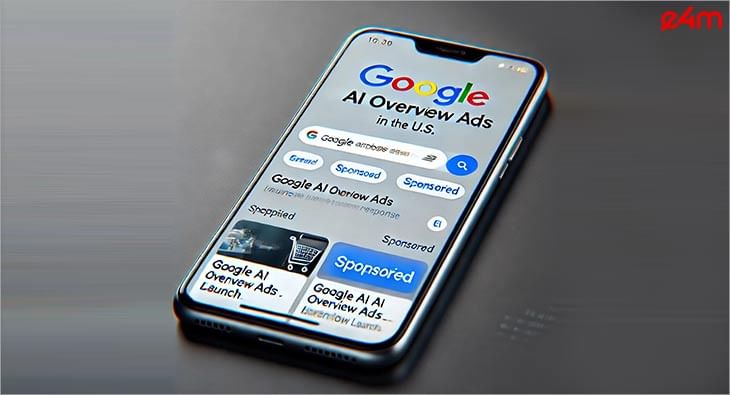

In early October, Google Search rolled out ads within its AI-powered overviews for mobile users in the United States. This long-anticipated move, first announced during the Google Marketing Live event in May, has generated a mix of excitement and concern.
While pundits in India remain tight-lipped about the implications for the local market, the timing of this rollout, which coincided with the 10th edition of the flagship Google for India event, suggests that India is on the horizon for these changes.
The introduction of AI-powered ads marks a shift in how search advertising will be experienced by users and leveraged by brands. Google controls a staggering 92%–97% control of the search market in India; this is compared to its 76% share in its native US, where it is currently under investigation for anti-competitive aka monopolistic practices. The Google trials, considered “the most significant antitrust trials of the 21st century thus far”, are still ongoing, with deliberations and decisions that could take years to come to. This dominance amplifies the potential impact of integrating ads into AI-driven search results, especially as the tech giant’s role in the Indian digital landscape continues to expand.
AI-powered overviews, designed to surface highly relevant content, open new opportunities for advertisers to engage users. For Indian advertisers, this could result in more precise targeting of high-intent audiences, leading to higher click-through and conversion rates.
Industry experts believe the rollout will have a transformative effect on how brands engage with users. Shruti Kharbanda, Chairperson of AI & Robotics at the Indian Chamber of Commerce (ICC), believes that the AI-powered overviews offer brands an enhanced opportunity to reach high-intent audiences. She states, “Incorporating ads into AI-generated overviews offer brands an enhanced opportunity to target high-intent audiences with personalized, contextually relevant messages. I think balancing user experience and transparency will be crucial to maximizing the potential of this approach.”
However, Kharbanda also highlights the risks involved, particularly around trust. She warns that “By blurring the line between organic content and advertising, brands may sacrifice long-term credibility and relationships with discerning consumers, ultimately diminishing the value of these ad placements.” She suggests that brands should adopt strategies that focus on relevance, personalization, and transparency to engage high-intent users without diminishing trust.
Jacob Joseph, VP of Data Science at CleverTap, echoes this view but is more optimistic about the benefits of AI-driven ads. He points out that the personalized nature of AI overviews offers a powerful opportunity for brands. “Incorporating ads into Google's AI-generated overviews creates a powerful opportunity to reach high-intent audiences in a more personalized way,” Joseph explains. He adds that the semantic understanding behind these overviews ensures that ads displayed are contextually relevant, which can significantly increase conversion rates.
India is one of Google’s fastest-growing markets, and the company’s 2023 ad revenue of $237.86 billion USD — 77% of parent company Alphabet’s total revenue — showcases the financial might of its advertising capabilities. India contributed roughly 93 billion rupees in ad revenue, a figure likely to grow further as AI-powered ads enter the scene. With mobile-first digital behavior dominating India, the rollout of these new ad formats could further cement the leadership of Google Search in India.
Joseph believes that brands must align their messaging closely with user queries, citing an example where users searching for solutions, such as how to remove stains, could be shown ads for relevant products like stain removers. “This personalized targeting not only enhances user experience but also increases the chances of conversion,” he says. However, he cautions that ads need to feel like a natural extension of the content to avoid overwhelming users with too much promotional material.
Garima Vishnoi, Solutions Head at White Rivers Media, focuses on how these AI-powered ads could drive user engagement. She emphasizes the importance of transparency, stating that clearly labeled ‘sponsored’ ads can serve as valuable recommendations rather than disruptions. “Incorporating ads into Google's AI-generated overviews may empower brands to engage high-intent audiences at the moment they seek solutions,” Vishnoi explains. She adds that contextual relevance will be crucial to maximizing the impact of these ads, with data analytics playing a vital role in aligning ads with user preferences.
For Indian advertisers, the introduction of ads in AI-powered search results will likely present both opportunities and challenges. On one hand, AI-driven ads allow brands to reach users more intuitively, targeting them with relevant content that matches their search intent. As India’s digital audience grows, particularly among those engaging with voice search, mobile apps, and vernacular content, this rollout could help brands better connect with high-intent users at pivotal decision-making moments.
However, the competition for prime ad placements could intensify, as brands will need to adjust to a more dynamic and context-aware advertising landscape. Joseph notes that real-time data analytics will be key to optimizing ad placements and improving targeting. “AI advertising capabilities enable marketers to track interactions and adjust campaigns dynamically based on performance metrics,” he says.
On the flip side, Kharbanda warns that a heavy-handed approach could backfire. “Sticking to traditional ad strategies could lead to diminished returns in this new landscape,” she says, encouraging brands to focus on relevance and subtlety to maintain consumer trust.
As Google continues to expand its AI-powered offerings, the rollout of ads in AI-generated overviews could reshape the future of digital advertising in India. With the potential to deliver hyper-personalized, contextually relevant ads, this shift offers brands a powerful tool to engage high-intent audiences. However, striking the right balance between personalization and user experience will be key to unlocking its full potential.
Read more news about Digital Media, Internet Advertising, Marketing News, Television Media, Radio Media
For more updates, be socially connected with us onInstagram, LinkedIn, Twitter, Facebook, YouTube & Google News