Beyond Cravings: The rise of purpose-driven food advertising in India
The shift from indulgence-led food advertising wasn’t spontaneous; it was driven by evolving consumer behaviour and structural changes across the industry
 by
by
Published: Sep 30, 2025 8:30 AM | 10 min read
 Follow Us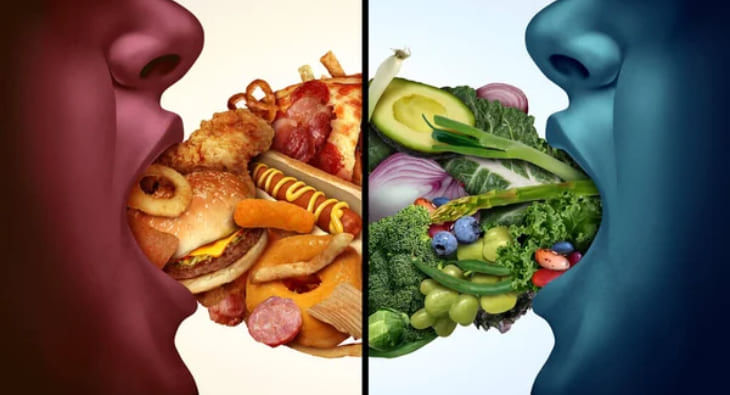

For decades, food advertising was about one thing - pure, unadulterated indulgence. Glossy shots of dripping chocolate, buttery parathas, or crunchy namkeen ruled the airwaves. But that era is giving way to a new one. Health is no longer the afterthought; it’s the headline. Brands that once promised sinful pleasures are now selling gut-friendly fibre, high protein biscuits, or sugar-smart snacks.
The shift away from indulgence-first narratives didn’t begin on a whim, it was pushed, nudged, and demanded by evolving consumer behaviour and structural changes. In the post-pandemic era, consumers in India began scanning nutrition panels as instinctively as they scroll reels. Urban shoppers, in particular, scrutinize sugar, salt, saturated fat, fibre, and treat “zero sugar / no added sugar / high protein” as search filters, not optional highlights. Sanjay Tripathy, Co-Founder and CEO of BRISKPE, observes: “In India, the back of the pack has become as powerful as the front of the pack, consumers are now buying with their eyes on the label.”
Read On: 84% of Indian consumers seek safer, healthier food choices: PwC report
This isn’t just anecdotal. Across markets, over 60% of consumers report they choose functional foods, foods that do more than satiate: support digestion, immunity, energy. Mitchelle Rozario Jansen, Senior Vice President, Business Strategy & Growth at White Rivers Media, underscores this awakening: “Consumers have shifted their focus from indulgence to health … as well-informed folks demand more transparency, brands have to back up their health claims with real science.”
Meanwhile, regulations and public health imperatives are layering the pressure. In India, FSSAI’s push for front-of-pack labelling and HFSS (High Fat, Sugar, Salt) warnings ensures that nothing can remain implicit. The regulatory tail is now surgical. As Tripathy warns, “If brands jump too far into the health trend, they might lose the comfort and nostalgia that helped them build their following.” And then there’s trust.
In the age of sceptical consumers, transparency is non-negotiable. N. Chandramouli, CEO of TRA Research, puts it plainly: “Trust is built when a brand consistently delivers on its promises, both in terms of product and ethical values.” In his view, the consumer is shifting not just to healthier options but to products with verifiable credibility like labels, sourcing, third-party validation, and storytelling that doesn’t hide behind hyperbole.
“Brands are adapting by investing in sustainable sourcing, reducing their carbon footprint, and being more transparent with their ingredients and production methods,” he says. The result: the indulgence-only narrative now feels tone-deaf. In some segments, it’s irresponsible.
Read On: Slurrp Farm launches ‘Real Food. Really Easy.’ campaign
How then do you make an ad feel like a treat, not a lecture? The best creative work in this new era doesn’t hide nutrition, it weaves it into the emotional narrative, so the benefit feels earned, not forced. Jansen emphasizes the need to keep narrative alive: “You can still tap into the emotional side of eating… while adding real nutrition benefits that feel natural, not forced.” Health must not smother the emotional core. If your ad becomes a clinical lecture, you lose the magic. She also points out that in Q-commerce and digital retail, context is everything: “Ad formats on Q-commerce platforms are guided by user context, purchase motivation, and seamless integration with the journey … the format, message, and timing need to feel intuitive, not intrusive.”
Chandramouli underscores the same point from the other side: “The regulatory environment, while stringent, actually sharpens creativity. Brands are compelled to move from vague promises to meaningful outcomes.” Thus, “good for you” becomes “good for your day,” “good for your gut,” “refresh without regret”, phrases that hint rather than preach. He reinforces: “Maintaining brand trust in the F&B industry requires consistent transparency, high product quality, and a genuine commitment to sustainability.” Tripathy, meanwhile, fears alienation if the shift is too abrupt: “The biggest risk for such brands is confusing your loyal audience. … The key is to evolve, not reinvent.”
For brands born in indulgence, pivoting toward nutrition is fraught with identity risk. A sudden shift can feel opportunistic or disloyal to core consumers. But done with care, it can extend the brand’s life. Tripathy warns bluntly: “A chocolate can’t wake up one morning and call itself a protein bar, heritage brands need to evolve, not abandon, their indulgence DNA.” That means not jettisoning your icon. Rather, add a sibling, a variant, a “smart” line. Keep the beloved hero range intact while layering in a better-for-you tier. This “house of brands” or “tiered” structure helps preserve emotional equity.
Also, pivoting must happen slowly. Start with reformulation, not renaming. Decrease sugar in legacy SKUs a little each iteration. Change packaging cues gradually. Introduce health lines first in test markets. Use storytelling to reassure: “Nothing’s changing that you loved; now it’s just better.” This is where the narrative of gradual evolution works. Brands must frame the shift as a natural next act, not a sudden U-turn.
The lines between indulgence and nutrition should blur, not clash. Chandramouli adds: “Brands are being pressured to innovate, adopt eco-friendly packaging, and reduce waste … Those who fail to adapt risk losing market share to more agile competitors.” So, if a legacy brand drags its feet, it risks not just cultural irrelevance but commercial loss. The “pivot or perish” logic is now real.
The tighter the scrutiny, the sharper the creative. Brands must now communicate benefits in ways that are legally defensible, emotionally resonant, and aesthetically compelling. The new rules demand use of specific, substantiated claims. Drop vague adjectives. Use “20% more protein,” “source of fibre,” “0g trans-fat,” or “fortified with iron.” These must be backed by internal or third-party data (lab tests, ingredient studies). Jansen says: “Highlighting things like ‘gut-friendly’ or ‘packed with fibre’ keeps the message simple and honest, without sounding too dry or over-the-top.” Chandramouli notes that overpromising is a trap: “Vague claims invite scepticism. The safest route is modest, verifiable promises, and then let your storytelling carry the weight.”
Read On: Whey Ahead: Why everyone’s snacking on protein now
Regulators demand qualifiers: “may help,” “supports,” “when consumed as part of a balanced diet.” Disclaimers and footnotes must be legible. But the claim should still feel intentional, not buried. Then, integrate claims within narrative and design. Use micro-animations to show ingredient flow, callouts in static visuals, or visual metaphors (like roots, flow, internal systems) to hint at function. Build short stories: fatigue towards bouncing back, midday slump towards sustained energy. Tripathy says the balance must be maintained: “You don’t alienate the loyalist; you give them permission to stay, with pride.”
So, the claim is not the hero, it is the ally of the emotional tension. The hero remains taste, ritual, delight. One more weapon: third-party endorsements and seals. Certifications, nutritionist quotes (with disclosure), validated seals can lend scaffolding credibility. As Chandramouli reminds, trust is cumulative, if the brand consistently delivers on ingredient promises, consumers will reward it. “Trust is built when a brand consistently delivers on its promises … both in terms of product and ethical values.”
To see how this plays out in India today, look beyond single campaigns, look at how legacy and challenger brands behave in market. Kurkure, a primarily indulgent snack brand, came out with their 'Jowar Puff' variant, very recently to join the healthy foods parade. Britannia NutriChoice has pitched itself as a smarter snacking alternative, often highlighting fibre, reduced sugar or whole grains, while still keeping indulgent lines alive. Nestlé India under its “Simply Good” programme has leaned into reformulations, like lowering sugar in its products, introducing no added preservatives SKUs, and running campaigns that foreground naturalness and “as few ingredients as possible.”
Younger brands like Tata Soulfull or millet/multigrain D2C snack makers often launch with health credibility baked in. Kellogg’s has a multigram cereal, the whole brand Too Yumm! is based on healthy products, there are several protein-based snack brands including SuperYou, The Whole Truth, Get-A-Whey, that are trying to sell heath in a pack of treats, zero calorie and protein rich is the news market friendly phrase.
A key figure here is Revant Himatsingka, aka Food Pharmer, who has turned consumer education into activism. Through his “Label Padhega India” movement, he has created momentum around label literacy, while his clean-label brand, OWN (Only What’s Needed), publishes full transparency on sourcing and formulation, often crowdsourcing ideas from its community. His work shows that in today’s environment, the boundary between marketing and mission is collapsing.
View this post on Instagram
Read On: Food Pharmer critiques Sunfeast Dark Fantasy ad; Brand responds by withdrawing campaign
Is the nutrition-first wave just a reaction to post-pandemic anxiety? Or a paradigm that will last? The evidence and signals strongly point toward the latter. Jansen argues that the shift is more than a flash: “This shift is no longer just a trend; it’s a response to what people genuinely want: food that does more than taste good.” Tripathy echoes that: “It’s not a passing phase”, health-first messaging has become a new license to operate. Chandramouli sees deeper structural drivers: “Consumers are increasingly shifting to sustainable and healthier options as they become more aware of environmental issues and personal health.” He adds: “Brands are being pressured to innovate … those who fail to adapt to these changes risk losing market share.”
Several forces reinforce that this is long-term: persistent health challenges such as obesity, diabetes, and micronutrient deficiencies; regulatory momentum toward stricter labelling, sugar taxes and ad controls; cultural redefinition where wellness is no longer aspirational but baseline; and scientific frontiers like microbiome and nutrigenomics. Sustainability further tightens the link, as health and environment cohere. In short: indulgence will not vanish, but it must reinvent itself in the service of purpose.
We are witnessing a reinvention of food advertising, a shot at sophistication where delight and discipline dance together. The smartest creatives will not abandon pleasure, they will redeem it. The savviest strategists will not treat regulation as constraint, they’ll see it as creative grammar. And the brands that digest this shift not as risk but as opportunity will write the next iconic campaigns.
In the words of Tripathy: “pleasure must now come with purpose.” And in the words of Jansen: health messaging doesn’t have to be dry; it can feel like home. Chandramouli reminds us that at the bottom of it all, trust is the infrastructure that makes daring storytelling safe.
Read more news about Internet Advertising India, Marketing News, PR and Corporate Communication News, Digital Media News, Television Media News
For more updates, be socially connected with us onInstagram, LinkedIn, Twitter, Facebook YouTube & Google News
