Why ‘The Devil Wears Prada 2’ proves nostalgia never goes out of fashion
Hollywood’s ‘The Devil Wears Prada 2’ joins India’s nostalgia wave, where emotion meets strategy. From ‘Gadar 2’ to ‘Don 3’, marketers are cashing in on emotional continuity
 by
by
Published: Nov 13, 2025 4:19 PM | 3 min read
 Follow Us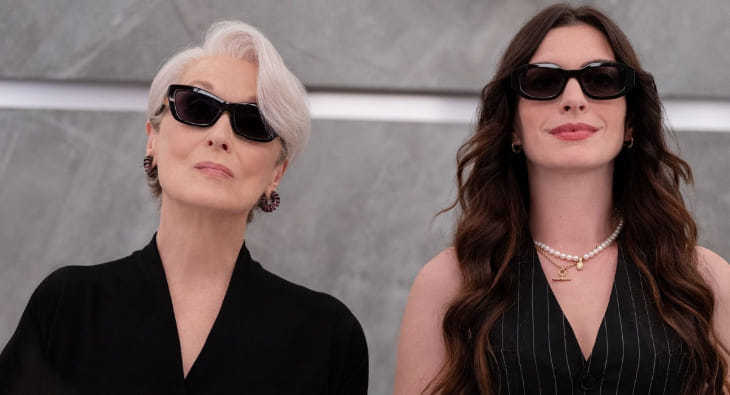

Hollywood is bringing the iconic fashion drama The Devil Wears Prada back with a sequel, but beyond the global excitement, the move speaks to a larger trend—one that India has already mastered: reviving old favourites to tap into collective nostalgia while reintroducing them to a younger audience shaped by streaming culture.
Nostalgia as a Marketing Currency
In an era where content fatigue is real, nostalgia has become the most potent emotional trigger for engagement. Audiences crave familiarity, comfort, and emotional reconnection with stories that once defined their youth.
The studio doesn’t have to convince you to watch The Devil Wears Prada 2 – the original movie did that 20 years ago. Every BTS photo of Meryl Streep and Anne Hathaway together from the set goes instantly viral. This behind-the-scenes buzz is like free advertising worth millions, fuelling excitement without spending a dime on formal ads. Both Hollywood and Indian cinema are operating on the same principle: it’s easier to introduce a new story within a familiar world than to build one from scratch.
India’s Revival Runway
Bollywood and Indian platforms have been on a similar nostalgia-driven spree:
- Ishq Vishk Rebound (2024) brought back the 2003 cult romantic vibe for Gen Z, reimagining youthful love in a social media age.
- Don 3 continues a legacy that began in the 1970s, moving from Amitabh Bachchan to Shah Rukh Khan and now Ranveer Singh—each era rebranding the franchise’s identity for a new generation.
- Gadar 2 (2023) leveraged the emotional weight of its predecessor to become one of the biggest box-office blockbusters, proving nostalgia can be more profitable than novelty.
- Bhool Bhulaiyaa 2 (The Horror-Comedy Reboot): This sequel took the core concept and modernized it with a new cast (Kartik Aaryan), proving that even without the original lead, the franchise's name (the horror-comedy mix) is a powerful draw.
- Even television shows like “Kyuki Saas Bhi Kabhi Bahu Thi” and “CID” have seen revamps, relying on the loyalty of millennial viewers while courting Gen Z curiosity.
Comfort, Continuity, and Community
Why do old stories still sell? The answer lies in emotional marketing. In uncertain times—people turn to what’s familiar. Reboots like The Devil Wears Prada 2 or Gadar 2 work because they merge emotional recall (nostalgia) with cultural evolution (relevance). The characters age, the tone shifts, but the sentiment stays intact. It’s not about reliving the past—it’s about reinterpreting it to fit modern identity.
In India’s context, nostalgia marketing has another layer: it bridges generations. Parents introduce old favourites to their children, while younger audiences experience them through a contemporary lens—creating intergenerational brand engagement.
From Fashion to Feelings
The Devil Wears Prada 2 arrives in a cultural moment where vintage is chic, both in fashion and media. The decades-long gap, once a liability, is now a valuable asset—a measure of just how much the audience has missed their favourite characters.
For marketers, the takeaway is clear: the future of storytelling lies in the intelligent recycling of emotion. Whether it’s Miranda Priestly (Meryl Streep) returning to command a digital fashion empire or Tara Singh (Sunny Deol) roaring for his family again, old is no longer old—it’s timeless, rebranded, and market-tested.
Read more news about (internet advertising India, internet advertising, advertising India, digital advertising India, media advertising India)
For more updates, be socially connected with us onInstagram, LinkedIn, Twitter, Facebook YouTube & Whatsapp
