Suhel Seth’s ‘WTF India’ examines India’s growing civic apathy
Author and brand strategist Suhel Seth examines India’s civic failures and calls for greater accountability
 by
by
Published: Sep 5, 2026 2:55 PM | 2 min read
 Follow Us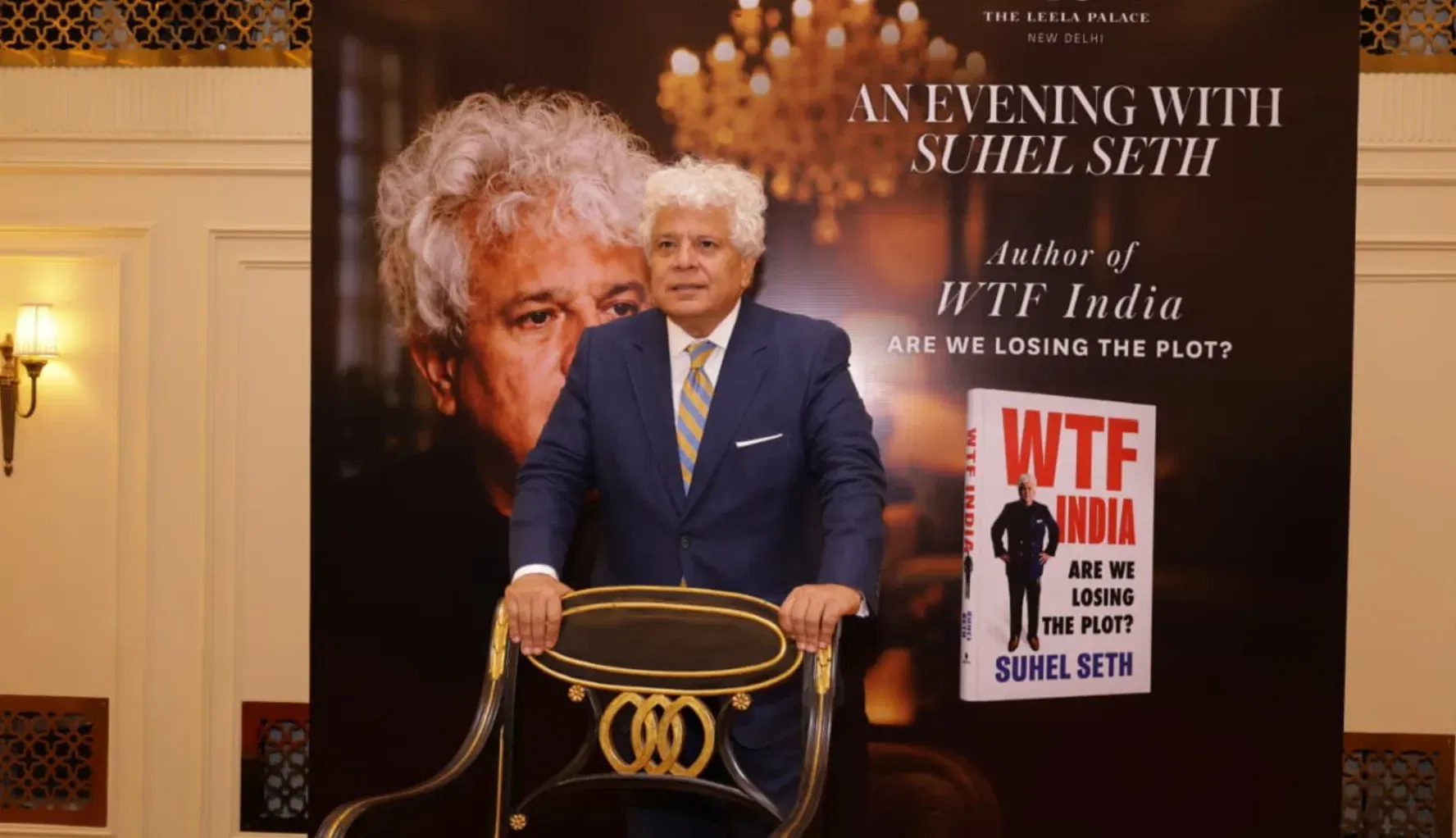

- Suhel Seth launched his book, "WTF India: Are We Losing the Plot?", at The Leela Palace in New Delhi, questioning India's acceptance of contradictions and dysfunction in daily life.
- The book critiques the gap between India's ambitions, such as space exploration, and its everyday challenges like poor infrastructure, pollution, and civic apathy.
- Seth encourages civic engagement and accountability among citizens, arguing that change requires active participation rather than passive complaint.
- The launch event fostered audience interaction, emphasizing the need for collective responsibility in addressing India's systemic issues while maintaining a hopeful outlook for future generations.
Author, brand strategist and columnist Suhel Seth launched his latest book, WTF India: Are We Losing the Plot?, at The Leela Palace, New Delhi, on Friday evening, posing a question as blunt as its title: has India become so accustomed to contradiction that dysfunction no longer shocks us?
The book does not question India’s ambition. Instead, it examines the distance between that ambition and everyday reality. Seth turns his attention to an India that can send a rover to the Moon yet struggles with cratered roads, polluted air, flooded cities, garbage, red tape and fragile public infrastructure.
Published by Juggernaut, WTF India is a compact and provocative account of what Seth sees as the country’s civic and governance failures. However, its argument extends beyond holding governments and bureaucracies accountable. It also examines citizens who bribe, litter, remain silent or wait for others to demand better systems.
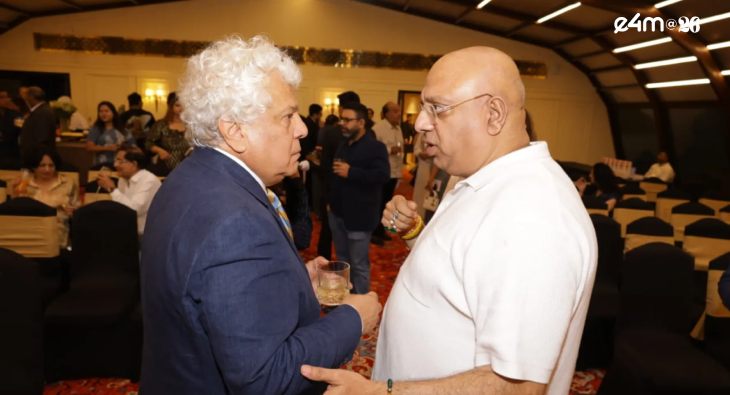
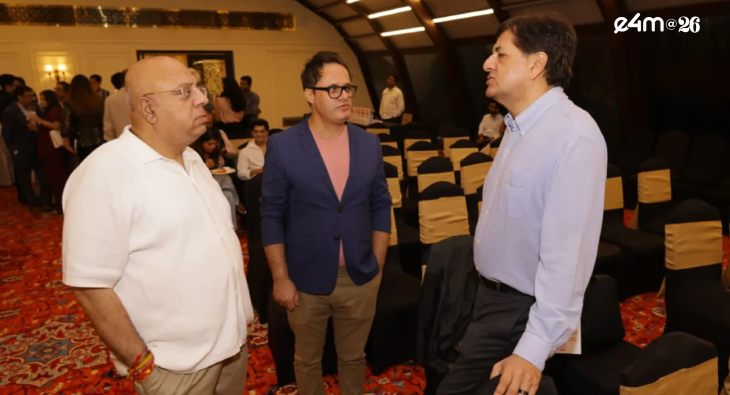
At the launch, Seth made the audience part of the conversation, putting its civic awareness to the test and taking the evening beyond a conventional author interaction. The underlying point was uncomfortable: Indians frequently complain about broken systems while, at times, quietly enabling them.
That combination of anger, humour and self-indictment gives WTF India its edge. It is political without being partisan and critical without surrendering to despair. Seth’s canvas includes monsoon flooding in cities that know when the rains will arrive, affluent families effectively creating access to cleaner air through purifiers, and the tendency to celebrate national milestones while tolerating the deterioration of basic municipal services.
While Seth’s diagnosis is sharp, the book also offers a prescription. He calls for sustained civic engagement involving citizens, parents, children and resident welfare associations, arguing that accountability needs to become a daily practice rather than a short-lived burst of outrage.
For all its criticism, the book remains rooted in hope. Dedicated to Seth’s daughter, it looks towards a generation that will inherit either a country resigned to its contradictions or one willing to confront them.
Ultimately, WTF India is as much a challenge to the citizen as it is to the system. Its message is that India’s contradictions are not inevitable, but they will persist unless citizens stop normalising them.
The launch, therefore, was more than a literary gathering. It was a mirror held up to a nation racing towards the future while still grappling with the basics.
Read more news about Print Media, TV Media, Advertising India, Digital Media, Marketing
For more updates, be socially connected with us onInstagram, LinkedIn, Twitter, Facebook, YouTube & Google News