SC flags obscene digital content, urges Centre to consider legislative action
A March 2024 petition argues that the circulation of sexually explicit, paedophilic, and pornographic content is a growing threat to societal well-being
 by
by
Published: May 1, 2025 1:58 PM | 5 min read
 Follow Us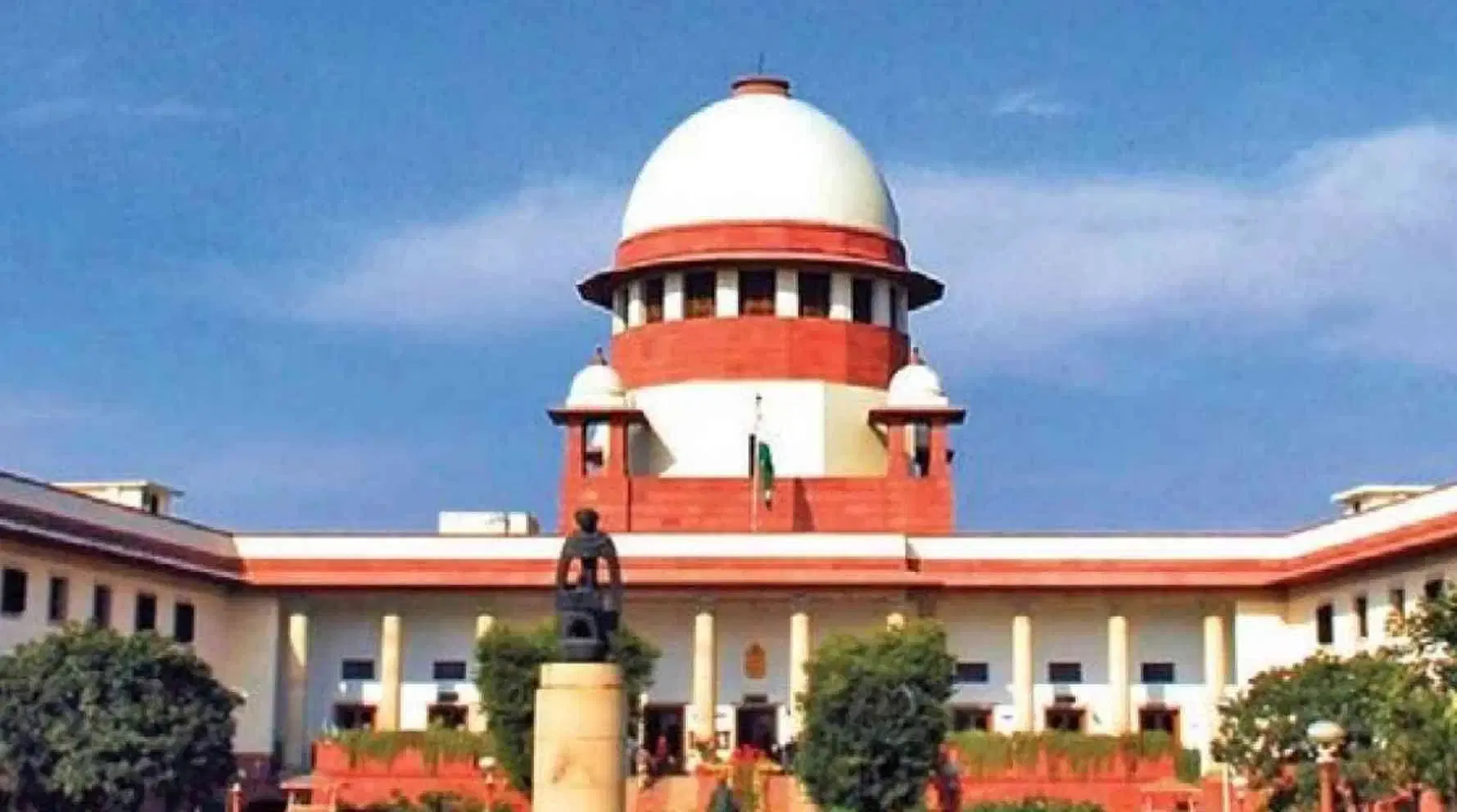

The Supreme Court has raised concerns over the unregulated circulation of obscene content on OTT platforms and social media, urging the Centre to consider legislative measures. The development stems from a Public Interest Litigation (PIL) filed by journalist and former Information Commissioner Uday Mahurkar and others, highlighting the surge of explicit and harmful digital material.
A bench comprising Justices B R Gavai and A G Masih, while hearing the petition, acknowledged the gravity of the issue. Notices have been issued to the Centre and several prominent digital platforms, including Netflix, Amazon Prime, AltBalaji, Ullu Digital, Mubi, along with global tech giants X Corp, Google, Meta, and Apple.
Filed in March 2024, the petition argues that the circulation of sexually explicit, paedophilic, and pornographic content is a growing threat to societal well-being. It particularly points to the ease of access young users now have to such material, due to limited oversight.
Solicitor General Tushar Mehta expressed support for the petitioners, asserting that some of the content is so graphic it would make “two respectable people” uncomfortable watching it together. He noted that while regulatory frameworks are already in place, more comprehensive steps are under consideration.
At the heart of the issue lies the constitutional right to freedom of speech under Article 19(1)(a). However, Article 19(2) empowers the state to impose reasonable restrictions in the interest of public morality, decency, and related concerns. Legal experts argue that this constitutional balance permits regulation of harmful content, as long as the action remains reasonable and proportionate.
Kheyali Singh, Associate Partner at Singhania & Co, explained that the Constitution ensures both freedom of expression and the authority to limit it under specific grounds. “There’s a line between liberty and societal harm. The law is designed to manage that tension,” she said.
India's existing digital content regulations fall under the Information Technology Act, 2000, and the Intermediary Guidelines and Digital Media Ethics Code Rules, 2021. These rules establish a three-tier grievance redressal system: starting with the publisher, followed by a self-regulating body, and ultimately, government oversight via an Inter-Departmental Committee.
Rule 14 of the 2021 Code allows this committee to recommend a range of actions, including takedown or reclassification of content. Rule 16 further provides for urgent content blocking, subject to clearance by the Secretary of the Ministry of Information and Broadcasting, to prevent misuse of power.
Singh noted that while the legal framework is robust, enforcement remains a challenge. “The issue isn’t a lack of laws. It’s about how well and how fairly they are implemented,” she said.
With the Supreme Court urging the Centre to "do something… something legislative," the focus now shifts to potential legal reforms. Legal commentators argue that any new regulation must carefully balance constitutional freedoms with the need to protect vulnerable groups.
“There is constitutional room for further lawmaking,” Singh added. “But those laws must not drift into arbitrary censorship. They have to be well-reasoned and narrowly focused.”
The PIL names several digital platforms accused of enabling or amplifying harmful content. Among them, Meta’s Instagram recently drew criticism following a technical glitch that briefly exposed users to violent and pornographic content in its Reels feed. The company acknowledged the error and issued an apology but offered little insight into the cause of the breach.
Users on X (formerly Twitter) reported that the algorithm promoted videos involving graphic violence, school shootings, and other extreme content, many of which amassed millions of views before the issue was resolved. Meta has since stated that the content “should not have been recommended” and the problem has been fixed.
Has anyone of you noticed that Instagram is showing you weird reels or content today? pic.twitter.com/AniRfgodZV
— Rishabh Negi (@YourbroRishabh) February 26, 2025
Alexandra Celestine, Senior Associate at Anand Sharma & Associates, suggested that the government could focus on strengthening content categorization, ensuring effective parental controls, and improving transparency in content moderation. According to her, such measures could address concerns around obscenity without veering into censorship, thereby preserving the right to free expression.
“Ultimately, it’s a fine line that requires nuanced regulation and dialogue between the judiciary, government, and stakeholders in the digital space,” she said.
Rohit Jain, Managing Partner at Singhania & Co, cited the Rekha Sharma v. State of Maharashtra (2021) case, where the Bombay High Court addressed a complaint about a web series allegedly containing obscene and vulgar content. The court stressed the responsibility of digital platforms to follow content guidelines and ensure their material respects standards of decency and morality.
Following rising complaints about offensive content on streaming platforms, the Ministry of Information and Broadcasting introduced new guidelines for OTT platforms, mandating self-regulation and adherence to a code of ethics.
“Indian law attempts to balance freedom of expression with content regulation through a mix of constitutional provisions, statutes, and judicial interpretations,” Jain said. “The judiciary has consistently emphasized a contextual and community standards-based approach. However, establishing a universal formula to define obscenity remains extremely challenging.”
Read more news about Digital Media, Television Media, Out of Home Advertising, Print Media, Latest Advertising India
For more updates, be socially connected with us onInstagram, LinkedIn, Twitter, Facebook, YouTube & Google News