From a hologram in 2013 to an AI-powered India: A personal journey of inspiration
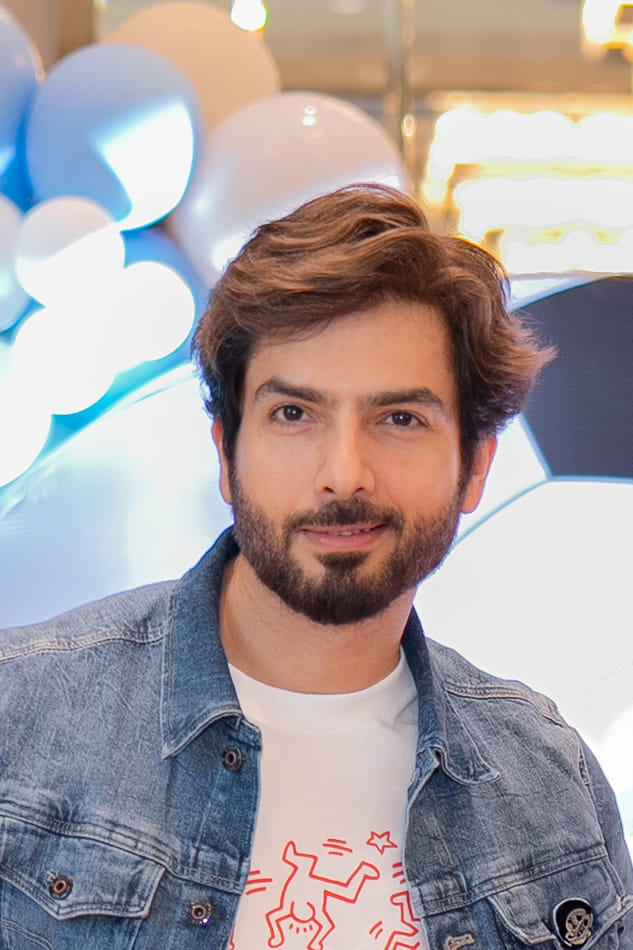
Guest Column: Niraj Ruparel, Creative Tech Lead – WPP / WPP Media India, recounts his meeting with Narendra Modi, and how the meeting influenced him in the years to come
 by
by
Published: Sep 17, 2026 6:09 PM | 4 min read
 Follow Us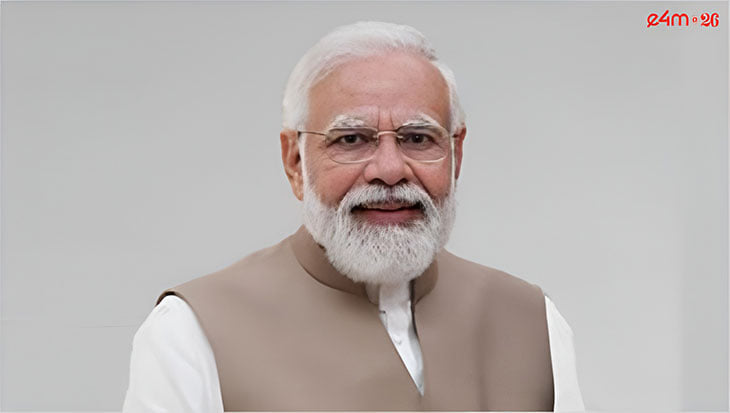

In 2013, I was a young employee at WPP when I had the privilege of meeting Honorable Mr Narendra Modi, who was then the Chief Minister of Gujarat. We had taken holographic technology to him and demonstrated it live.
I remember that interaction because it was much more than a technology demonstration. We were there to show him what holography could do. But I was equally interested in hearing his perspective on how technology would evolve, and what it could mean for India.
Thirteen years later, I find myself looking back at that moment with a very different lens.
A lot of what we were imagining then has become part of the India we see today.
What has inspired me most is not any one technology or platform, but the larger ambition of building a digital ecosystem that can operate at India's extraordinary scale — with inclusion, accessibility and the ability to reach millions at its core.
For someone working in brand marketing, that has had a profound influence on me.
Over the years, I have had the opportunity to apply many of these principles to the work I do — from rural marketing and public health to campaigns designed around inclusion and accessibility. The fundamental question has increasingly become: How do we build for many Indias, rather than assume there is one India?
That mindset has changed the way I think about creativity.
India's diversity is not a challenge to work around; it is an opportunity to design better. Different languages, cultures, contexts, levels of digital adoption and aspirations require us to think differently about how brands communicate and create experiences.
The push towards startups, digital platforms and scalable solutions has also created an ecosystem where young entrepreneurs, technologists and creators can imagine solutions for India and, increasingly, for the world.
I experienced that energy again recently at the India AI Impact Summit, where I had the privilege of participating across multiple forums, demonstrating some of my AI models and interacting with leaders and ministers shaping India's technology agenda.
What struck me was the sheer momentum around AI, creative technology and the creator ecosystem — and the emphasis on empowering India's young talent to participate in building what comes next.
For me, this is particularly meaningful because WPP is also contributing to this journey through the Indian Institute of Creative Technology. We have an opportunity to bring together creativity, technology and India's extraordinary talent to build solutions not just for Indian brands and consumers, but for global markets.
That is perhaps one of the most exciting transformations I have witnessed.
Today, while sitting in India, our teams are coding for the world. India's Global Capability Centres are increasingly becoming centres of innovation, technology and creative excellence rather than simply delivery centres. Every time I meet our teams working on global solutions from India, I feel an enormous sense of pride — and privilege — in learning from some of the best talent that WPP has across the world and from the extraordinary talent we have here in India.
There is a larger philosophy behind this journey that resonates deeply with me: Vasudhaiva Kutumbakam — the world is one family.
India can build for India while building for the world. We can take our diversity, creativity, technology and youth energy and turn them into solutions that connect people and markets across the planet.
That is the India I want to contribute to over the next decade.
I am grateful for the inspiration I received from that interaction in 2013. For many young people like me who encountered Narendra Modi early in our careers, those interactions left an impression — not simply because of the position he held, but because of the energy with which he engaged with technology, ideas and India's possibilities.
And personally, I see the coming decade as a commitment.
A commitment to give my best to technology. To build for India and our people. To empower young creators and technologists. To bring worlds together through creativity and technology. And to create the kind of brand storytelling and innovation that can contribute to India, our industry and our planet.
The hologram we demonstrated in 2013 was a glimpse of what technology could become. Today, AI is giving us an even bigger canvas. The opportunity now is to use it responsibly, inclusively and creatively — and build the future we want to see.
That, for me, is the journey from 2013 to today. And in many ways, it is only the beginning.
Disclaimer: The views expressed here are solely those of the author and do not in any way represent the views of exchange4media.com.
Read more news about Digital Media, Television Media, Out of Home Advertising, Print Media, Latest Advertising India
For more updates, be socially connected with us onInstagram, LinkedIn, Twitter, Facebook, YouTube & Google News