Winning the Gen-Z Consumer with VDO.AI
VDO.AI, in collaboration with e4m, hosted a roundtable to explore emerging trends in consumer behavior
 by
by
Published: Apr 2, 2025 3:54 PM | 5 min read
 Follow Us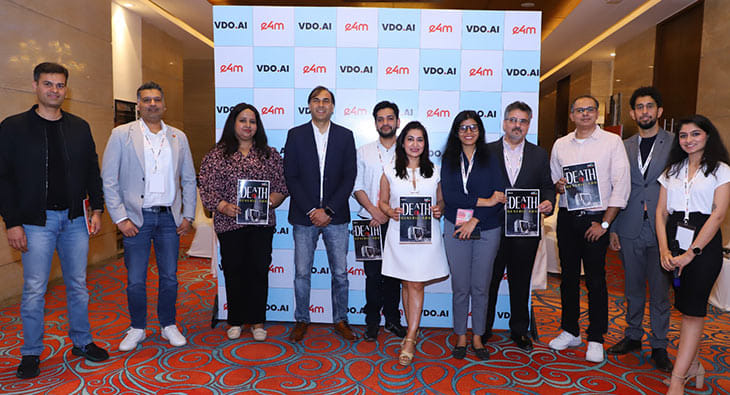

VDO.AI’s recent report, The Death of Generic Ads 2025, revealed that 60% of Gen-Z disengages from brands due to irrelevant, non-personalized ads, and 55% of Gen-Z ranks “brand experience” as their top priority over price.
To explore these emerging trends in consumer behavior further, VDO.AI, in collaboration with e4m, hosted a roundtable at The Leela, Gurugram, bringing together some of the top minds in marketing.
The moderator, Chehneet Kaur, kick-started the evening with some hard-hitting facts about Gen-Z, including that only 9.6% of them exhibit brand loyalty.
Later, Arjit Sachdeva, Co-founder and CTO, and Akshay Chaturvedi, CBO of VDO.AI, introduced their global advertising technology platform to the panelists, including Arpita Gandotra, AVP Marketing, Reliance Digital Retail; Varun Sethuraman, Business Head, Nestlé; Anshuman Goenka, Global Director - Incubation Brands, Bacardi; Sneha Jha, Head of Media and CLM, KFC; Sakshi Grover Malhotra, Head - Digital Marketing & D2C, PNB MetLife; Anuj Somani, Senior Marketing Manager, Volvo Cars; Karan Kumar, CMO, Hero Realty; Jitendra Choudhary, Head of Digital, Honasa Consumer; and Himanshu Sirohi, Head - Digital Marketing & Credit Card Business, Apollo 24|7.
Chaturvedi emphasized that they generate around two billion video views every month, translating to approximately 30 billion seconds of playtime.
He further explained, “How do we achieve this? We do it by creating highly targeted ad placements in collaboration with the country’s top publishers. In fact, a significant number of the top ten Comscore-ranked publishers work with us. On one hand, we partner with these premium publishers, and on the other, we develop advanced technology that transforms standard creatives into dynamic, engaging experiences. This ensures meaningful interactions with the audiences they are intended for.”
Following this, the panel delved deeper into Gen-Z's economic impact, brand loyalty, engagement strategies to capture their attention in the digital world, and how brands can future-proof themselves.
Sachdeva then kicked off the discussion by offering a different perspective on Gen-Z consumers. He said, “While many claim Gen-Z has a short attention span, I see it differently. They’re not easily distracted; rather, they are highly logical, quick thinkers, and adept at cutting through clutter more efficiently than any previous generation. They don’t have a short attention span—they’re simply smarter at distinguishing what’s genuine from what’s not.”
Gandotra underscored that Gen-Z is a distinctive generation that prioritizes convenience, speed, personalization, and digital-first experiences. To effectively engage them, brands must focus on seamless digital interactions, purpose-driven marketing, and delivering relevant, tailored experiences.
Emphasizing on how to keep a brand top-of-mind among Gen-Z consumers, Kumar noted, “There are two main things to keep in mind when a brand wants to break through Gen-Z’s attention prism—delivering value and delivering experiences. Further, the experiences should be as immersive and hyper-local as possible.”
From a real estate industry perspective, he added that when targeting younger consumers, sustainability is a key consideration, with ESG being a major point of discussion.
At this stage, given the overwhelming number of brands and ads, simply being part of the consumer’s consideration set is a victory, rather than aiming to dominate the market as brands once did, according to Sethuraman.
Choudhary further highlighted, “Gen-Z is also hungry for value. We never evaluated a purchase as extensively as they do. This is where the right kind of communication and content will stand out.”
When it comes to brand experience, Malhotra mentioned that in most cases, and especially in theirs, the brand experience starts digitally. This generation demands authentic content. Given that the insurance industry is infamous for misinformation, it is even more crucial to communicate authentically, whether through social media or website content.
Agreeing with her, Jha added that Gen-Z is highly vocal—if they don’t like something, they are the first to call it out. For a food chain brand like KFC, the brand experience begins the moment they walk into the store. “We have learned that telling people they are valued is one thing, but making them actually feel valued is a challenge.”
Goenka concurred, stating that experience is a major driving force in the alco-bev sector as well. “The top three important factors for us are experience, personalization, and purpose.”
Somani stressed that this generation is highly aspirational regarding their purchase goals. They want to make a statement with their purchases, which benefits a luxury car brand like Volvo.
Sirohi pointed out that Gen-Z is also influencing older generations. “Four to five years ago, their contribution was less than 10% of my daily transactions, but now they have already surpassed 15%. So my ultimate consumer may be someone older, but Gen-Z is helping them order through the app. We could beat our closest competitor only because we were able to provide the right product at the right time with a 19 minute delivery promise to this consumer.”
The evening concluded with dinner and drinks, fostering insightful and thought-provoking discussions that left attendees more aware and prepared for a Gen-Z-dominated future.
Read more news about Marketing News, Advertising News, PR and Corporate Communication News, Digital News, People Movement News
For more updates, be socially connected with us onInstagram, LinkedIn, Twitter, Facebook, YouTube & Google News