Why are tile adhesive brands betting on Bollywood stars?
Guest Column: From Ranveer Singh to Akshay Kumar, brands are using celebrity power to build awareness in a low-involvement category, writes Ganapathy Viswanathan
 by
by
Published: Oct 14, 2026 11:39 AM | 6 min read
 Follow Us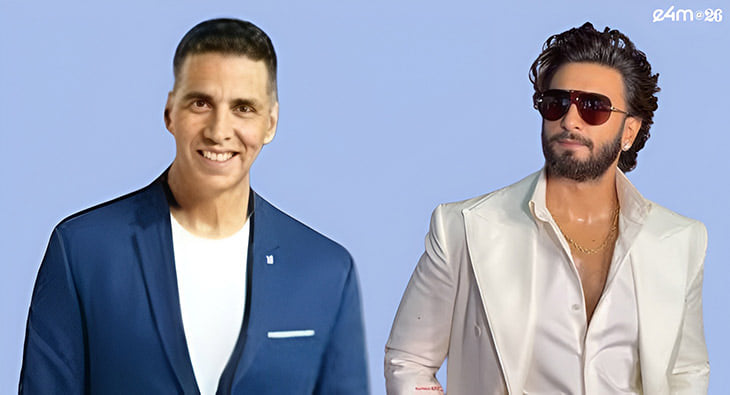

- Homeowners typically overlook tile adhesives during renovations, but brands like Kajaria and Pidilite are using celebrity endorsements and advertising to increase visibility in this low-involvement product category.
- Kajaria has enlisted Bollywood stars Ranveer Singh and Akshay Kumar for its Gresbond brand, aiming to create consumer recognition before purchase decisions, while Pidilite's Roff focuses on building awareness without celebrity endorsements.
- The decision-making process for tile adhesives involves a network of influencers, including architects, contractors, interior decorators, and masons, making it essential for brands to engage with these professionals alongside consumer advertising.
- The effectiveness of marketing campaigns will ultimately be measured by their impact on consumer consideration, dealer inquiries, and professional recommendations, rather than just celebrity visibility or recall.
A homeowner renovating a house will spend time choosing tiles, colours and designs. But how much thought goes into the adhesive that holds those tiles in place? For most consumers, very little. Tile adhesives and fixing solutions are low-involvement products that rarely attract attention until construction or renovation begins. Yet, brands in this category are increasingly turning to mainstream television and celebrity endorsements to make themselves visible.
Kajaria's decision to bring Ranveer Singh on board for Gresbond, its tile-fixing solutions brand, raises an interesting marketing question. Why would a brand selling a product that most consumers neither select nor apply themselves invest in a high-profile Bollywood celebrity? Kajaria has also associated Akshay Kumar with its tiles business. Meanwhile, Pidilite's Roff has pursued consumer awareness through advertising without relying on a major film star.
The battle is not simply about selling an adhesive. It is about influencing a chain of people who collectively determine which product eventually reaches the construction site.
The consumer is only one part of the story
Tile adhesives operate in a business-to-business-to-consumer, or B2B2C, environment. The manufacturer sells through distributors and dealers, but the final decision can involve several influencers.
The mason or tile installer is an important player because the person works directly with the product. Ease of application, workability, bonding performance and suitability for the job influence the recommendation. A mason who trusts a product and has used it successfully is more likely to recommend it again.
But the influence begins well before the adhesive reaches the site. Architects may specify materials based on design and project requirements. Civil contractors influence procurement, budgets and execution. Interior decorators guide homeowners on renovation choices and can recommend products that support the desired finish. Dealers also influence the purchase through availability and product recommendations.
The homeowner ultimately pays the bill and lives with the result. Although the adhesive may not be top of mind, the consequences of a poor choice can be expensive. Loose, tiles and defective installation can mean repairs, inconvenience and additional costs.
For brands, therefore, the target audience is not just the mason. It is an entire influence network, with each participant bringing a different consideration to the decision.
What does a celebrity bring to the category?
Ranveer Singh can bring visibility, recognition and recall to Gresbond. His popularity helps the brand cut through advertising clutter and introduce itself to consumers who might otherwise pay little attention to tile adhesives.
Celebrity endorsement also signals that the brand wants to move beyond a purely trade-oriented business. It wants homeowners to recognise the name before they enter a dealer's showroom or begin discussions with a contractor.
This matters because low-involvement products are seldom researched until a need arises. A familiar brand may have an advantage when the purchase conversation begins. The homeowner may ask the contractor about it, or be more comfortable considering it when the dealer makes a recommendation.
However, celebrity recognition is only the starting point. If consumers remember Ranveer Singh but forget Gresbond, the campaign has delivered star recall rather than brand recall. The creative work must make the product's purpose clear and give people a reason to remember the brand.
A celebrity can open the door. The product must provide the reason to choose to finally choose it.
Why television still matters
Mainstream television offers reach beyond the relatively small group of people actively involved in construction or renovation at any given time. The objective is to build familiarity before the purchase occasion arrives.
A campaign may reach homeowners who are not renovating today but could be doing so six months later. When the need arises, the brand is no longer unfamiliar. This is one reason marketers invest in categories that do not generate frequent consumer purchases.
Pidilite's Roff offers an interesting comparison. The brand has used television and other consumer-facing advertising to build awareness without depending on a Bollywood star. Its approach shows that celebrity endorsement is not the only way to make a low-involvement product visible.
A strong creative idea, a clear product benefit and consistent communication can also build recall. The choice depends on the brand's objectives, its budget and the audience it wants to reach.
Winning the professionals who influence the choice
Mass advertising alone cannot win this battle. Architects, civil contractors, interior decorators and masons need reasons to recommend or use a product.
Architects and decorators must be confident about its suitability for the intended application. Contractors consider cost, reliability and ease of execution. Masons want a product they can work with confidently. Dealers need demand, availability and repeat business.
Brands must therefore combine advertising with architect meets, contractor workshops, mason demonstrations, dealer programmes and on-site product trials. These initiatives provide opportunities to explain product benefits and build relationships with the people who can influence repeat purchases.
The ideal situation is straightforward: the homeowner recognises the brand, the architect or contractor is comfortable specifying it, the dealer recommends it and the mason is willing to use it.
Celebrity advertising can support this chain, but it cannot replace professional confidence or product performance.
A festive opportunity
The festive season often encourages homeowners to repaint, renovate bathrooms and kitchens, replace old tiles or improve their living spaces before welcoming guests. These projects create opportunities for tile-fixing brands to enter the conversation.
Advertising can remind consumers that the finished surface is only part of the story. What lies beneath the tile matters too. The message should encourage homeowners to ask questions about the fixing solution and ensure that the product is appropriate for the application.
Brands can extend the campaign through digital videos, dealer displays and renovation-related content. This helps connect mass awareness with a practical need at the point of purchase.
The real measure of success
The growing visibility of tile adhesives reflects a larger marketing shift. Brands are trying to create consumer demand in categories where purchase decisions depend heavily on intermediaries and professional recommendations.
For Gresbond, Ranveer Singh offers a route to wider recognition. Roff demonstrates that a brand can pursue the same broad objective through a different creative approach. Neither strategy should be judged by celebrity visibility or advertising recall alone.
The real test is whether the campaign improves consideration, strengthens dealer enquiries, encourages trial and influences recommendations among the people who matter.
In a low-involvement category, a celebrity can make consumers notice a brand they would otherwise ignore. But the final choice still depends on the confidence of the architect, contractor, interior decorator or mason—and the homeowner's belief that the investment will last.
The star may attract attention, but the brand must earn the recommendation.
Disclaimer: The views expressed here are solely those of the author and do not in any way represent the views of exchange4media.com.
Read more news about Marketing News, Advertising News, PR and Corporate Communication News, Digital News, People Movement News
For more updates, be socially connected with us onInstagram, LinkedIn, Twitter, Facebook, YouTube & Google News
