Jewellery marketing has become sharply digital-led: Shantiswarup Panda, Indriya
Shantiswarup Panda, Head of Marketing & Visual Merchandising, Indriya, Aditya Birla, Jewellery, says the category is entering a phase of value engineering, cultural rootedness &omni-channel discovery
 by
by
Published: Feb 27, 2026 8:58 AM | 6 min read
 Follow Us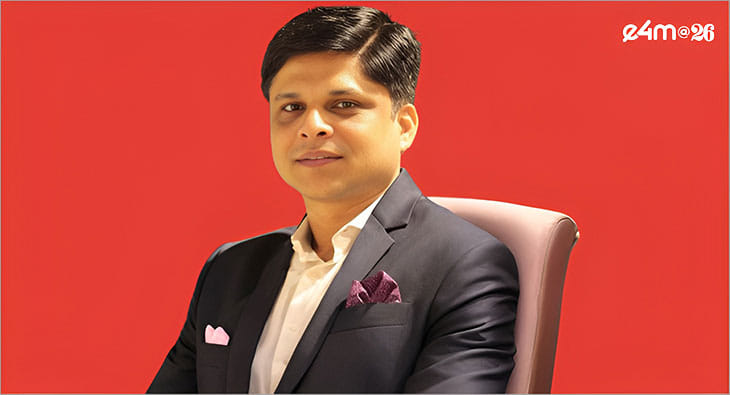

As India’s jewellery market navigates rising gold prices, generational shifts and the emergence of lab-grown diamonds, brands are recalibrating their media mix, expansion strategies and product design to align with evolving consumer behaviour.
Shantiswarup Panda, Head of Marketing & Visual Merchandising, Indriya, Aditya Birla, Jewellery, says the category is entering a phase defined by value engineering, cultural rootedness and omni-channel discovery.
Digital leads jewellery marketing
Panda said jewellery marketing has become sharply digital-led, especially for brands building rapid scale.
“We spend more than 50% of our total media money on digital,” he said.
For over a year, Indriya operated without satellite television as part of its core strategy. “For a large part of our presence over the past year, we have not used satellite television; that was the cornerstone of our strategy. However, we have used connected TV very judiciously,” Panda said.
As store density increased in certain markets, the brand recalibrated its media mix.
“Now that our store footprint has expanded enough in some markets, TV spillover is much lower and we are able to justify the cost per reach that television delivers. So, we have started satellite TV,” he said.
Print and outdoor continue to play a key role in driving consideration and conversion. At the same time, a significant portion of the brand’s digital budgets is allocated to hyper-local marketing, with radial targeting around store catchments aimed at driving footfalls and in-store conversions.
On social media, Panda said the brand is now the third-largest player in India by presence, with engagement levels significantly above industry benchmarks.
He added that Indriya has rolled out region-specific bridal campaigns tailored in language, styling and cultural symbolism. The brand is also partnering with micro and culturally relevant influencers who may have smaller reach but high engagement, reinforcing its positioning as a brand deeply rooted in culture.
Expansion reflects appetite beyond metros
The broader jewellery market is also seeing expansion beyond metros into smaller cities and towns.
Indriya is set to cross the 50-store milestone this week and is targeting 75 stores by March, with plans to reach 100 in the following months, according to Panda.
“In terms of expansion, we are extremely aggressive and hungry to reach as many markets as possible so that more customers can experience what Indriya brings in jewellery design, brand building and retail experience.”
The brand has expanded across North, West, South and East India, including tier 3 towns. He added that the brand’s expansion is phased and learning-led, entering markets sequentially, saturating them before moving on, and refining its mix and strategy based on insights and consumer nuances from each geography.
Versatility and light-weighting reshape product design
On evolving demand patterns, Panda said versatility has become central to jewellery purchases, with consumers seeking pieces that can work across occasions and styling formats, including both Indian and Western looks.
With gold prices appreciating, weight optimisation has become critical, requiring intelligent design and manufacturing techniques to create pieces that appear substantial while remaining lightweight.
He added that modular jewellery, elevated essentials and daily wear categories are gaining traction, allowing consumers to adapt pieces for multiple looks and occasions.
In bridal, he emphasised that personalization is key. Every bride wants to be ethnically rooted yet distinctly herself. Indriya’s regional bridal campaigns across Rajasthan, Gujarat, Maharashtra and South temple jewellery are backed by deep socio-cultural research. Brides seek inspiration, not replication of celebrity weddings, and this insight has resonated strongly with consumers.
Gifting is another growing segment. “Gifting in jewellery is increasing. While ticket sizes may be lower, the number of transactions is very high,” Panda added.
Gen Z influence, but culture remains core
While many categories are seeing sharp generational divergence, Panda said jewellery remains deeply cultural.
“Unlike many other categories, jewellery is still very culturally linked,” he said. “With a kind of cultural renaissance happening in India, consumers, including younger ones, are proud of their ethnicity and traditions, and that reflects in jewellery purchases.”
Panda outlined two distinct youth buying stages: collaborative purchases when young adults are not yet earning, and more independent, contemporary choices once they enter the workforce. As young consumers begin earning, he noted, they tend to experiment with lighter, modern designs, including studded or diamond jewellery. However, cultural relevance continues to anchor decision-making in the category.
Lab-grown diamonds remain nascent in India
On lab-grown diamonds, Panda said the segment is evolving but has not disrupted natural diamond demand. “It has entered the market, but it has not shaken the category or reduced demand for natural diamonds,” he said.
He pointed to price depreciation as a key factor shaping consumer perception, noting that lab-grown diamonds purchased a year ago at a certain size and grade could be significantly cheaper today. As a result, they are not viewed as investment assets but more as adornment or fashion accessories rather than serious jewellery with long-term value.
He also highlighted structural market differences. “India is a very small market for stones compared to the US,” he said, adding that the category remains nascent domestically.
Regulatory clarity is also helping, he noted. “The government has clearly articulated that lab-grown diamonds must be specified as lab-grown, so consumers are not confused between natural and lab-grown.”
Omni-channel discovery, store-led experience
Although digital discovery is central, in-store experience remains crucial.
“Eighty to eighty-five percent of the consumer journey begins online, irrespective of where the purchase finally happens,” Panda said.
However, he noted that consumers in this category continue to value the in-store experience, often spending one to two hours as part of the purchase journey, with online platforms largely aiding discovery or transaction closure rather than replacing the experience and trust associated with physical retail. While commerce will be introduced soon, he indicated that brick-and-mortar stores will continue to anchor high-value purchases.
In January, Indriya participated in Paris Couture Week in collaboration with designer Gaurav Gupta, showcasing Indian craftsmanship and design on an international platform. Panda said the showcase generated strong visibility, celebrity interest and media coverage, helping build curiosity around the brand.
However, he clarified that international retail expansion is not immediate. “It is a little early for us to open physical stores outside India. We have significant opportunity within India first.”
Growth drivers for the next decade
Looking ahead, Panda identified rising consumer aspirations, increasing participation of women in the workforce and evolving celebration behaviour as structural drivers for the jewellery industry. He noted that as incomes rise and lifestyles evolve, consumers are more willing to celebrate milestones, personal achievements and occasions with jewellery purchases.
He added that the category is also benefiting from a shift in mindset, with women exercising greater agency over their buying decisions and experimenting beyond traditional occasion-led purchases.
At the same time, he emphasised the need for brands to remain closely aligned with changing consumer expectations, particularly around versatility, light-weighting and the growing interest in stones among younger consumers.
Summing up the growth formula, Panda added: “In short, it is about getting more users, getting them to use more, encouraging more frequent purchases, and upgrading over time.”
Read more news about Marketing News, Advertising News, PR and Corporate Communication News, Digital News, People Movement News
For more updates, be socially connected with us onInstagram, LinkedIn, Twitter, Facebook, YouTube & Google News