‘Brands shouldn’t just talk to Malayalis, but talk as Malayalis’
To thrive in Kerala, brands must embrace its diverse hyper-local cultural nuances, where each region is a unique market of its own, shared industry players
 by
by
Published: Dec 20, 2024 2:05 PM | 5 min read
 Follow Us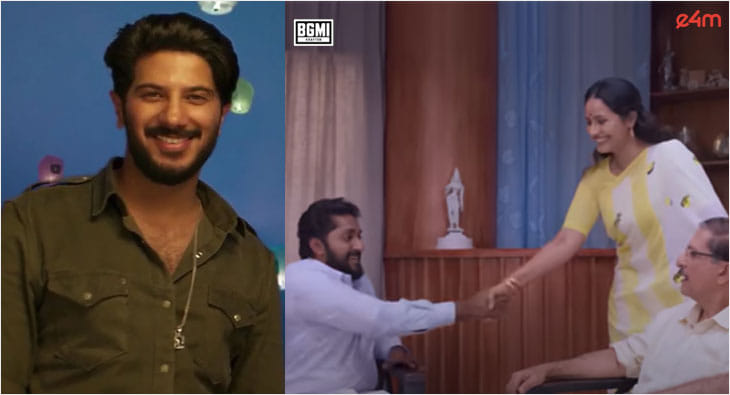

‘God’s Own Country’ is one of the most memorable and sustained campaigns in the history of India. Coined in 1989 by Walter Mendez, it still rings true today. However, as much as that’s true, the state and how advertisers view it has changed tremendously. While the lush landscapes and serene backwaters remain iconic symbols, today’s Kerala is portrayed with much more nuance, may it be by local brands or national and international players trying to connect with the thriving market and its dynamic consumers.
Kochi Metro is a perfect example of how the state embraces innovative advertising while preserving its rich cultural heritage. Most stations on the transit network feature brand names, and trains are often wrapped in ads. At the same time, nearly every train and boat in its fleet is named after a river, port, or harbour, paying tribute to the region's deep-rooted port city tradition.
It illustrates two kinds of ‘branding’ — cultural identity and commercial messaging — and a lesson for brands: You cannot succeed in Kerala without understanding the subtle nuances that make it unique — and translations simply don’t cut it. To truly connect with the people, brands must tap into the local culture, language, and values, crafting messages that resonate on a deeper, more personal level.
Speaking at Pepper Awards 2024, Vishnu Srivatsav, National Creative Head, 22feet Tribal Worldwide explained, “Brands shouldn’t just talk to Malayalis, but talk as Malayalis.” He further said that people can discern an outsider’s voice from an insider’s. Brands must go beyond the language and ‘speak the culture’ of the people they are trying to reach. That’s how brands can truly build brand love.
Adding to the conversation at the event, Niranjan Natarajan, Founder Creative Director, Why Axis Advertising posed a crucial question: “Before the conversation about regional campaigns, you should look at what's the brand. Is there a connect?” He explained that intrinsically, there should be a culture fit for the brand and the consumer.
This synergy can be seen prominently in the recent Kottappalli Prabhakaran 2.0 campaign, where Maitri Advertising recreated the iconic ‘Pennukaanal’ scene from the superhit Malayalam movie Sandesham for Battlegrounds Mobile India (BGMI). It allowed the global brand to strengthen its market share in India and showcase how its game brings people together.
Kottappalli Prabhakaran 2.0 echoed Natarajan’s perspective on universality: “While we discuss a local connect many times we must also check if there is a universality about it. Why does K Pop, K Drama and all things K have such a large cultural and commercial impact?” In the BGMI campaign, the resulting brand-people cultural connect was so strong that even though the campaign was targeted towards people who speak Malayalam, it transcended boundaries and tied back to the universal love for gaming.
Back in the pre-pandemic era, Malayalam Manorama launched a campaign called New Kerala Street, featuring Dulquer Salmaan. It lyrically depicted the state’s pluralism, openness and diversity. It showed the viewers a glimpse of Kerala’s love for football, food, dance and acceptance for standing up for what people believe in. A scene in the ad showed women wearing dresses made out of the traditional Kasavu sarees and other iconic local fabrics, symbolising the wave of change and how the state was open to embracing all things new.
Cut to six years later, Stark Communications, the agency that created the concept and script for the Malayala Manorama production says that a whole new wave of change is underway in the state, prompting brands to change how they look at Kerala — advertising in Kerala is now going beyond the language and the usual symbolism to tap into the hyper-localisation of culture.
“Even within Kerala, urban lifestyles, dialects and food tastes are playing out in diverse nuances across different geographies — the North, central Kerala or the South — each space and nuance getting more clearly delineated and accentuated by pop culture, social media, movies and music,” says Shelton Pinheiro, Executive Creative Director, Stark Communications.
He adds, “These influences have brought in a new set of refreshing colours and flavours to regional brand communications in the state. Some of our popular regional campaigns for national and local brands are rooted in these nuances.”
“To succeed in a state like Kerala, we need to create ads that resonate deeply with the audience by mirroring their language, culture and values rather than addressing them as an external observer. It shifts the approach from superficial messaging to captivating communication which encourages a sense of belonging and connection,” says Laj Salam, Founder & CEO at PlainSpeak, and the President of Advertising Club Trivandrum.
He adds, “While many brands are becoming aware of the need for regional customization, it remains a conversation where experts frequently need to make a compelling case. Brands need to understand that there will be long-term benefits of region-specific advertising, including brand loyalty and a deeper emotional connection with the target audience.”
Much like the iconic ‘God's Own Country,’ the advertising industry in Kerala today is tapping into the region’s heartbeat and intensifying it through creative narratives. There is a growing effort to delve deeper into the nuances, such as distinguishing the unique urbanities of Kochi and Trivandrum rather than viewing the state as one homogeneous region. The more brands invest in understanding these nuances, the greater their chances of thriving in Kerala.
Read more news about Industry Briefing, Internet Advertising, Marketing, PR & Corporate Communication, Television Media
For more updates, be socially connected with us onInstagram, LinkedIn, Twitter, Facebook YouTube & Google News
