DPDP Act harmonises privacy with RTI, not restricts it: Ashwini Vaishnaw
Union Minister for Electronics and Information Technology Ashwini Vaishnaw said this in written reply to a question in Lok Sabha
 by
by
Published: Aug 20, 2025 4:11 PM | 2 min read
 Follow Us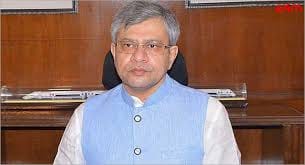

Union Minister for Electronics and Information Technology Ashwini Vaishnaw on Wednesday told the Lok Sabha that the Digital Personal Data Protection Act, 2023 (DPDP Act) will not weaken the Right to Information (RTI) framework. He said the changes made to Section 8(1)(j) of the RTI Act are meant to balance the right to privacy with the right to information, and stressed that citizens can still get information in cases where public interest is stronger.
Vaishnaw said this in response to a question raised in Lok Sabha by MP Selvaganapathi TM, who asked whether the DPDP Act and its draft rules would reduce transparency, expand the scope for denying information, and whether experts were right in calling it a setback for India’s RTI system.
Replying through a written statement, Vaishnaw rejected these concerns. “The Digital Personal Data Protection Act, 2023 provides for the processing of digital personal data in a manner that recognises both the rights of the individual to protect their personal data and the need to process such personal data for lawful purposes,” he said.
He explained that the amendment follows the Supreme Court’s 2017 judgment in the Justice KS Puttaswamy case, which recognised privacy as a fundamental right. The government’s position is that the RTI and DPDP laws must work in harmony, with privacy safeguards in place but also with space for disclosure whenever larger public interest demands it.
Quoting Section 8(2) of the RTI Act, Vaishnaw reminded the House that even where exemptions apply, information can still be shared if the public interest outweighs privacy concerns.
“The amendment does not restrict the disclosure of personal information; rather, it balances individuals’ privacy rights with right to information,” he said.
In the process of drafting the law, the minister pointed out that the government had received more than 22,600 comments on the DPDP Bill, 2022, before it was introduced and passed as the DPDP Act, 2023. He added that similar consultations, including with media organisations, are also being held on the draft rules.
While activists and some legal experts have expressed concern that the change could be used to deny more RTI requests, Vaishnaw maintained that the law still protects transparency. According to him, the amendment is not a rollback but a balancing act, ensuring that both privacy and transparency are respected in India’s governance framework.
Read more news about Digital Media, Internet Advertising, Marketing News, Television Media, Radio Media
For more updates, be socially connected with us onInstagram, LinkedIn, Twitter, Facebook, YouTube & Google News