The communications, the purpose, and the leader: A spotlight on Manjira Sharma
Manjira Sharma, Former Head of Corp Comm at Roche talks about her journey across journalism, corporate and healthcare communications, and shares her insights on AI, leadership and what’s next
 by
by
Published: Jan 14, 2026 11:47 AM | 11 min read
 Follow Us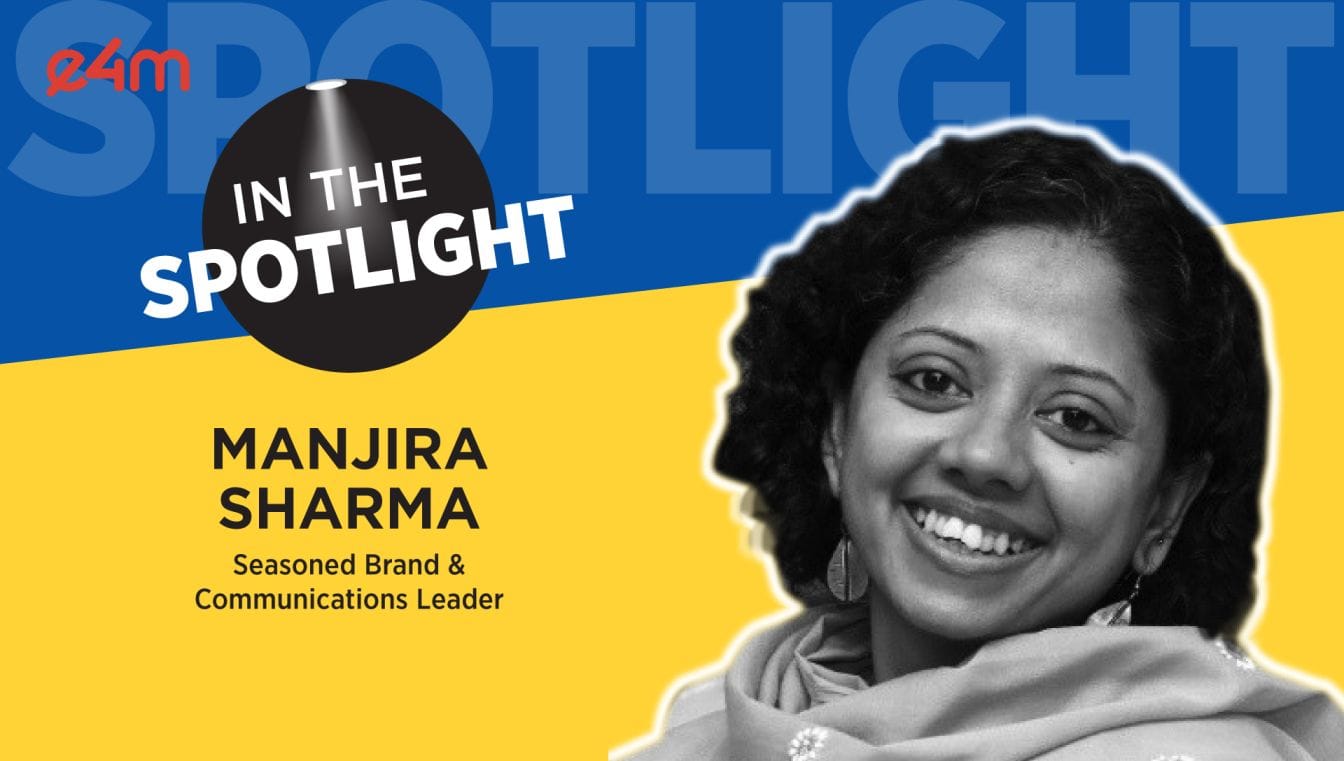

The pen may be mightier than the sword, but in Manjira Sharma’s hands, it is also a compass, shaping narratives, steering brands, and giving purpose to communication in an ever-evolving corporate world. With nearly two decades of experience across journalism, corporate affairs, and digital communications, Sharma has built a career at the intersection of storytelling, influence, and strategy.
In today’s feature, we explore the journey of Manjira Sharma, Former Head of Corporate Communications, Roche from:
- Her early days in the industry to leading high-impact communication functions
- A closer look at her role as Former Head of Corporate Communications at Roche
- Key lessons from her transition into healthcare communications
- Insights into leadership communication and building strong, credible brands
- Her perspective on emerging trends shaping the communications profession
- How evolving expectations are redefining the role of young communicators
- Views on the transformative impact of AI amid rapid industry change
Excerpts:
What first drew you into the world of communications, and what were some of the biggest turning points in your professional journey that shaped who you are today as a communicator?
My journey into communications is, in many ways, quite a cliché. I studied in Calcutta, where I completed my honours and master’s in English. I’ve always loved reading and writing, so I began freelancing for a few newspapers and publications. That naturally led me into journalism, and I formally joined Business Standard, followed by a stint at The Financial Express.
After a couple of years, I moved from The Financial Express into business communications, and eventually into more formal corporate communications. This transition marked my first major inflection point. Journalism is largely fact-based as you have a piece of news, you gather the facts, whether it’s about a greenfield expansion or quarterly investor earnings, and you report it. However, when you move into writing for institutional or corporate clients, the focus shifts to crafting messages more creatively. Not all news is big news, so the challenge becomes how to make it newsworthy, engaging, and interesting for readers. This shift, from pure, fact-based reporting to creative storytelling, required a significant mindset change. Creative storytelling doesn’t mean taking creative liberties with facts; it’s about presenting information in a way that resonates with and engages people.
The second major inflection point in my career came during my time at Access Bank. When I joined, I immensely contributed in setting up the entire internal communications and employee engagement function. With tremendous support from my manager, the HR team, the MD’s office, and the strategy team, we worked on aligning employee communications very closely with the ambitious growth path the bank had embarked upon and its strategic objectives. Having worked across multiple sectors, I can confidently say that this kind of integrated, purpose-driven employee communications was something I hadn’t seen elsewhere. It demonstrated how internal communications can be a powerful function, bringing people together, fostering transparency, ethical practices, and empathy within the organization.
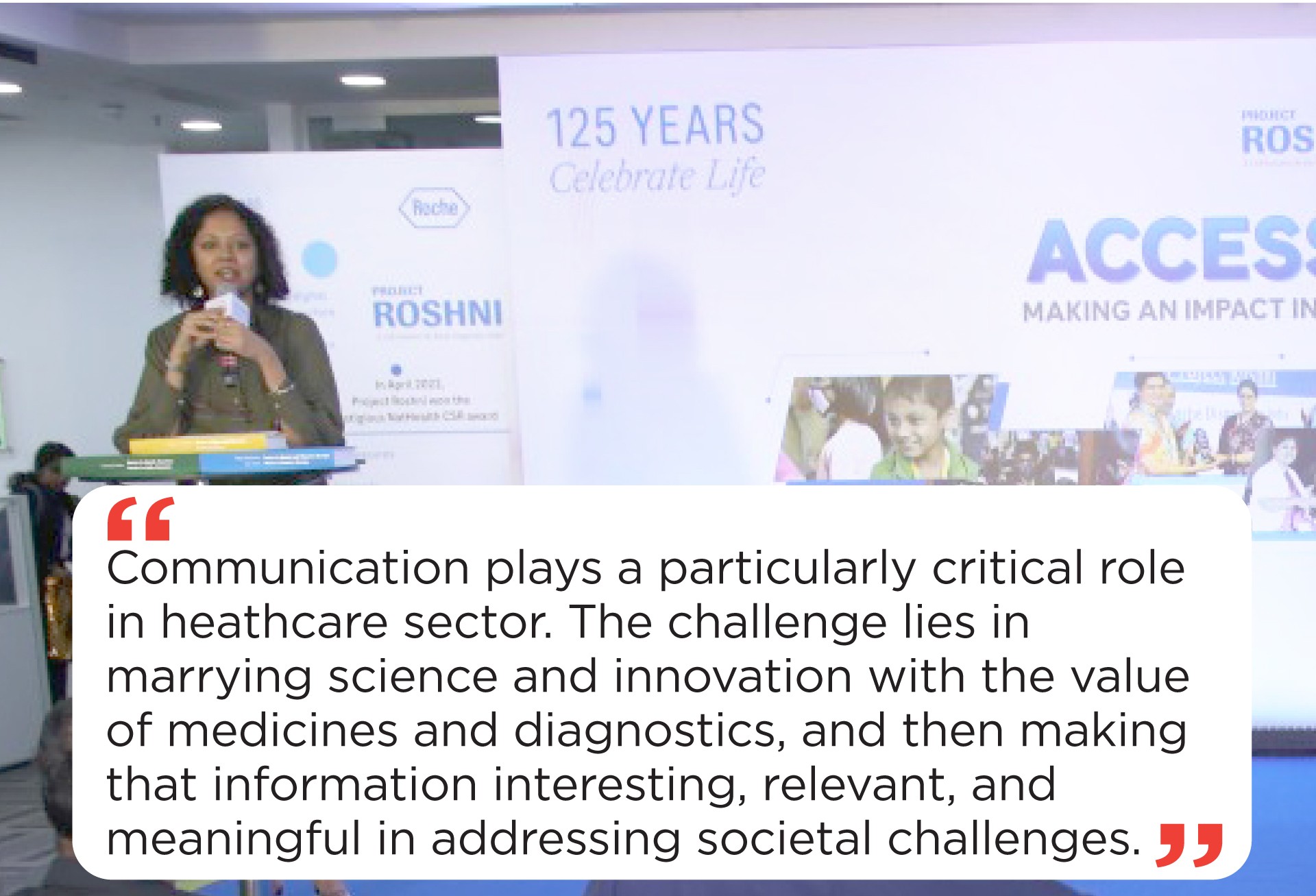
The third key turning point has been my foray into healthcare, where I’ve now spent over seven years. Healthcare communications involve a much larger ecosystem, you’re not just speaking to patients, or doctors, or scientists in isolation, but engaging with all of them together.
I would say these three inflection points have collectively shaped my perspective on what communications should do and how it should function.
From your vantage point, what are the emerging development trends that young professionals or communicators should prepare for?
While everyone is talking about AI, I see three key areas corporate communicators need to be mindful of.
First, there is an increased focus on workplace well-being and building a workforce growth mindset, especially through internal communications. This is a continuous effort and cannot be limited to one-off initiatives like a Diwali emailer. We still tend to focus more on campaigns, advertising, and media, and not enough on this aspect.
Second, communicators must support organizations through constant transformation. Almost every company today is undergoing change, whether it’s leadership transitions, IPOs, or external factors like tariffs. This requires agility, consistency, and authenticity. Employee communication should be a true partnership between leadership, communications, and HR, with all three speaking the same language and driving the organization’s purpose in a future-ready way.
Finally, it’s about using digital tools to make routine work smarter and faster. We don’t need to overthink AI, after all, Booker Prize–winning books are still written by humans. These are the three trends I believe professionals should be mindful of.
Leading a two-decade-long journey is never easy. You must have faced several roadblocks along the way. Could you share some of the key leadership challenges you encountered?
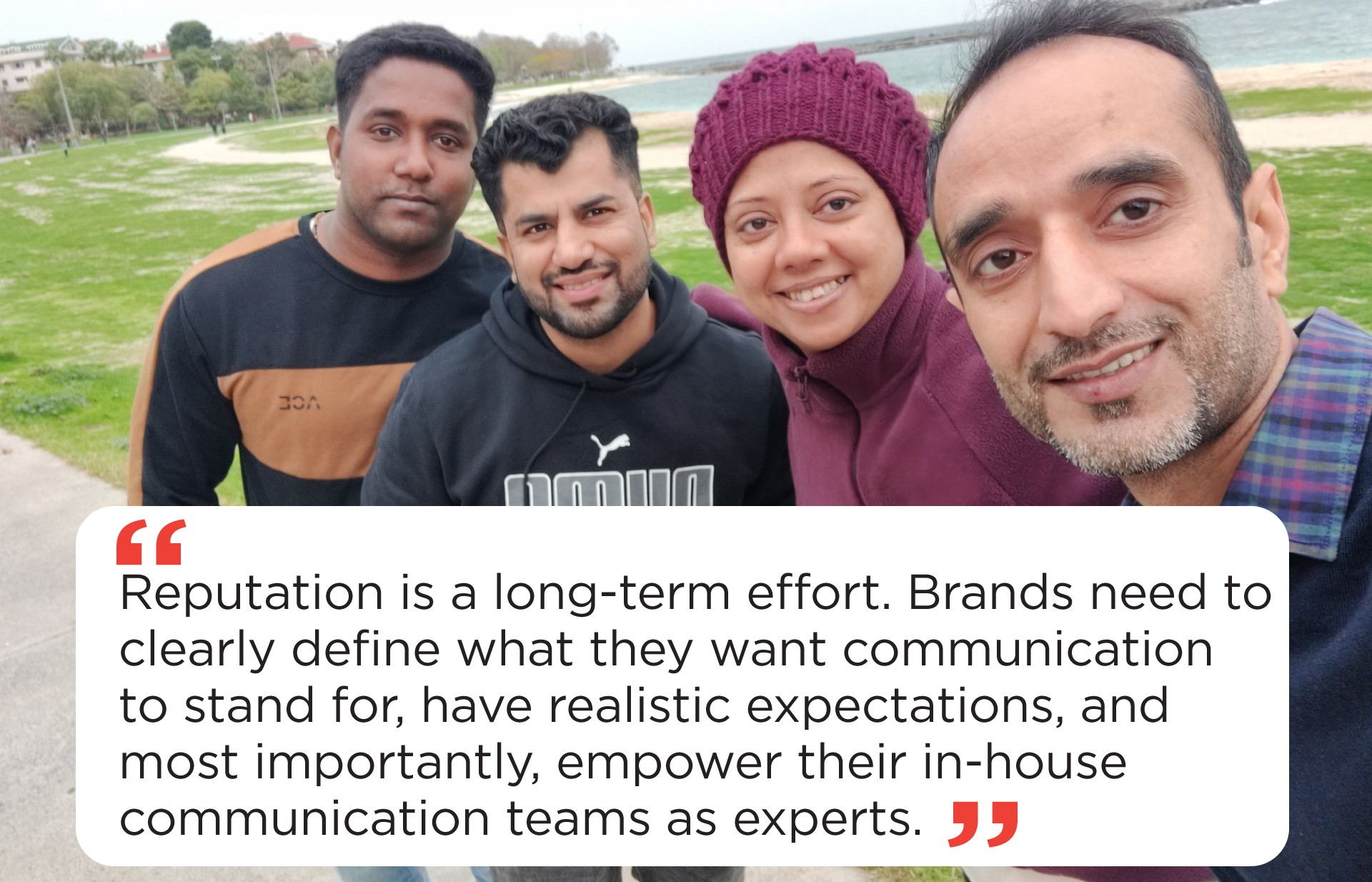
Challenges are always part of the journey, whether someone has spent two decades in the industry or just three years in PR. One of the biggest challenges, even today, is that many brands and leaders are still not very clear about what corporate communication truly stands for. As a result, the value of communication is not uniform across companies.
There are organisations where communication teams are empowered and trusted, places where great work is being done. But in other cases, communication is treated as a quick fix. If employee satisfaction scores are low or sales are not performing, the first question often is, “What is communication not doing?” There is also a tendency to equate communication purely with media coverage, without clarity on long-term goals.
The real issue is misplaced expectations. Communication cannot build reputation overnight or in a few quarters. Giving them a seat at the table and aligning them with long-term business goals is critical for meaningful impact.
At Roche, what were your key focus areas as Head of Corporate Communications?
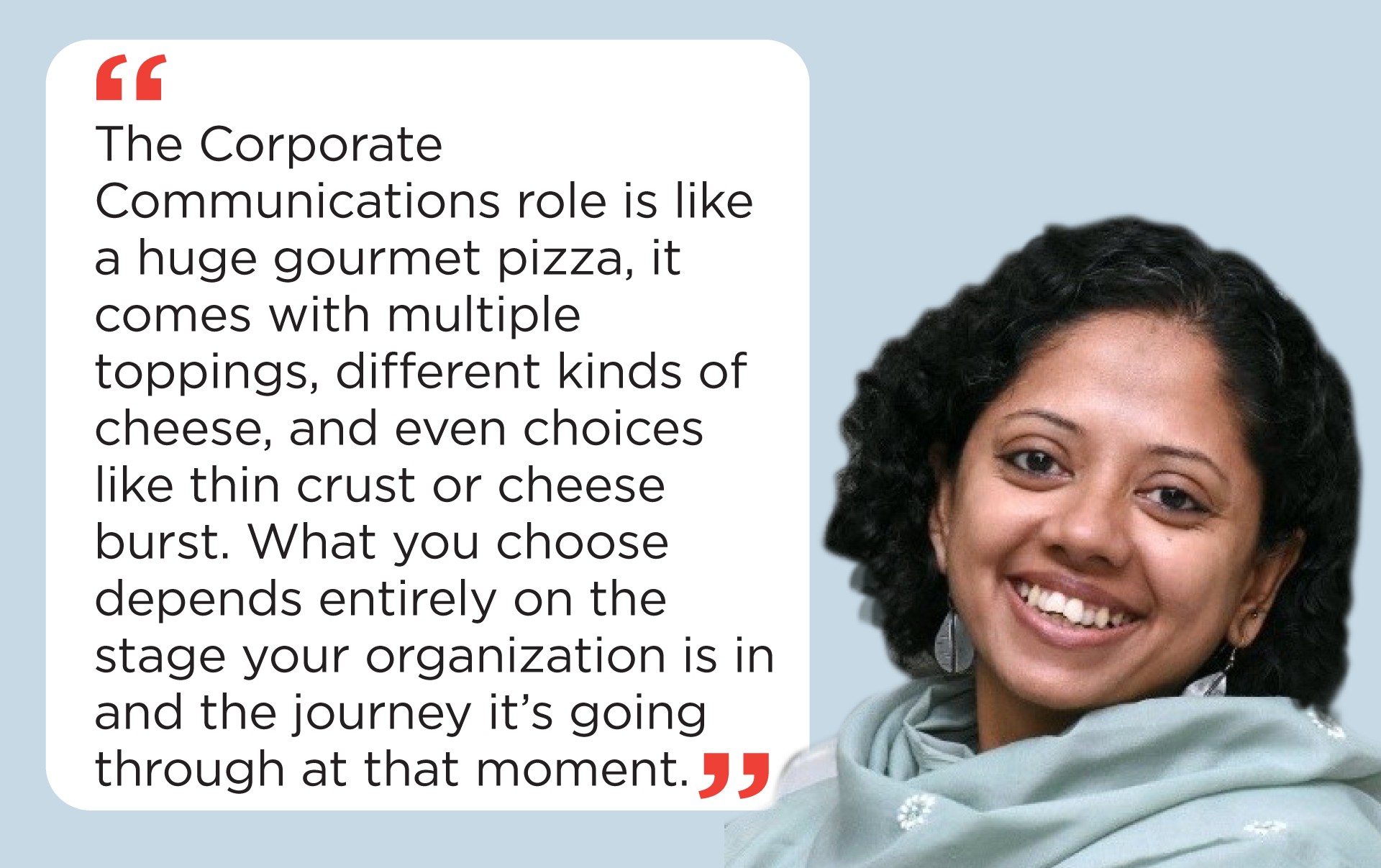
If the organization is on a high-growth trajectory, the communication approach will be very different from a phase where the business is stable but undergoing an organizational or cultural transformation. In those moments, communication plays a critical role in enabling a mindset shift and preparing people for what’s coming next.
The tools we use, however, remain largely the same. You rely on PR and media relations, build thought leadership through events and forums, and leverage digital media especially where younger audiences are, though today even older generations are actively engaging on these platforms. Brand reputation is strengthened by engaging customer communities, because there is no stronger advocate than someone who actually uses your products.
It’s really an amalgamation of all these elements, along with a careful balancing act between earned media, owned media, and co-created platforms. Ultimately, the goal is to communicate the value of investing in healthcare at the right time. For policymakers, that means highlighting health outcomes, economic benefits, and societal impact. For patients, it’s about not just longer lives, but lives lived with dignity. And for patient advocacy groups, it’s about reinforcing that they’re not alone; we want to partner with them, understand their needs, and work together.
So while the core pillars, platforms, and mediums of communication are fairly consistent across industries, the real challenge lies in creatively and thoughtfully deploying them in a way that’s relevant to the organization’s context and stakeholders.
The healthcare industry is inherently complex, and communicating scientific information to the public is often challenging. What strategies did you use to balance scientific accuracy with effective storytelling across healthcare communications?
The first step is to clearly identify the stakeholders we want to engage. Communication varies based on the audience, including employees, policymakers, patients, caregivers and even the lifecycle stage of the organization. Authenticity is critical, especially when engaging policymakers.
In healthcare, our focus at Roche Diagnostics is on communicating the value of timely healthcare, its health economic and societal impact. For example, conversations with someone who is pre-diabetic or conscious about heart disease are very different from those with diagnosed patients or caregivers. We tailor the narrative to highlight relevant benefits, such as the value of continuous glucose monitoring.
For caregivers, particularly in areas like Alzheimer’s and Parkinson’s where awareness and clear clinical guidance are still evolving in India, we focus on education and clarity. Overall, our goal is to break down complex science and customize it so it resonates with each cohort.
We are also very mindful that communication is not about promoting products. We stay above product and lead with innovation and science. Our guiding principle is doing now what patients need next which captures how we approach communicating science meaningfully and responsibly.
Would you like to share some impactful campaigns that are close to your heart?
There are two campaigns that are very close to my heart, and both have received multiple A&M and PR awards. One is in the area of women’s health, called Be Your Own Shiro, and the other is I Pledge Red, focused on blood donation and transfusion safety.
The “Be Your Own Shiro” campaign encourages women to prioritize their health and not delay doctor visits due to family obligations. Our surveys at national, regional, and global levels consistently showed that women often defer checkups because of family responsibilities, which is deeply concerning. The campaign urges women not to wait until it’s too late—whether it’s getting thyroid tests done or addressing serious issues like breast cancer. We also work extensively in cervical cancer awareness, which is largely preventable with a simple test done once every five to seven years. It’s heartbreaking that lives are still lost due to lack of awareness.
The second campaign, “I Pledge Red,” focuses on making blood transfusions safer. While blood donation is a noble act, many people don’t realize the risks involved if infections like hepatitis go undetected during the window period. At Roche, we work with an additional safety layer called the NAT test, where we are market leaders. Through this campaign, we wanted donors, recipients, and the blood bank community to understand and advocate for safer blood.
One of the most impactful initiatives was taking I Pledge Red to college campuses, as universities are very active in blood donation drives and are ideal spaces for education. This was entirely pro bono, with no commercial agenda. Both campaigns are close to my heart because the focus was never on products, it was about patient safety, awareness, and doing good for society.
How do you see AI impacting the industry, especially with so many rapid developments taking place?
I don’t think people need to be scared of AI; they need to be receptive to it. Roche has a global initiative called Everyday AI. It’s not mandatory, but it’s very engaging because the core philosophy is simple: AI helps make your work smarter and faster. The program includes real case studies, covering everything from R&D to communications. I personally use AI extensively when reading heavy healthcare reports, studies, and white papers.
Earlier, I would have to go through 130-page documents; now AI helps summarize and highlight key points. Moreover, what AI and earlier social media has really done is democratize communication. Today, you don’t need perfect written English to communicate effectively. If you know your subject well and can think strategically, AI can help bridge any gaps, whether it’s a presentation or content structure.
For communicators, this is how we should view AI. I’ve also explored using AI in media buying, optimizing campaign spends and questioning traditional plans that were earlier dependent on agencies. That’s a very interesting and promising area.
What advice would you give to young communicators entering the industry who aspire to reach leadership positions?
I often question what we really mean by a “leadership position.” Recently, while judging an awards program, I noticed that about 95% of participants said they saw themselves as heads of communications in five years. But what does that truly represent? A head of communications is an original thinker, has a strong learning mindset, is quick and agile, and is aware of what’s happening beyond their own industry. Those qualities define leadership.
Whether you call yourself a leader or a communications professional, focus on these traits so people come to you for advice, value your creative work, and trust you to deliver work that stands the test of time while serving both business and reputational goals. That, to me, is real leadership.
Read more news about PR and Corporate Communication News, Internet Advertising, Marketing News, Digital Media News, People Movement News
For more updates, be socially connected with us onInstagram, LinkedIn, Twitter, Facebook YouTube & Google News