The next three years will redefine how paid, earned, shared and owned media work together
Pooja Mishra, Founder and Director, Outlook PR talks on evolution and integration of paid, earned, shared and owned media in the evolving business landscape
 by
by
Published: Dec 22, 2025 3:00 PM | 4 min read
 Follow Us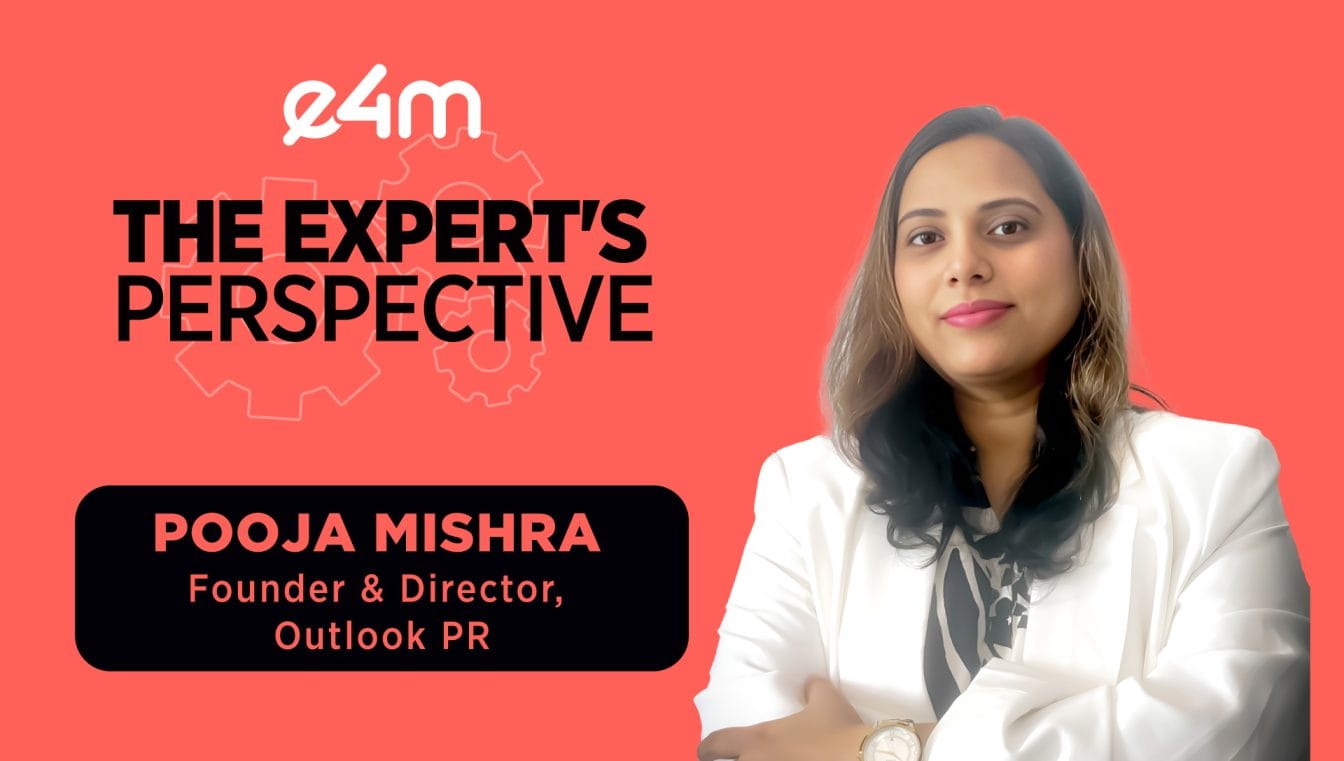

The media environment is entering a phase that demands sharper thinking, lighter structures and clearer priorities. The familiar divisions of paid, earned, shared and owned media are still relevant, but their functions are shifting as consumer attention spreads across newer formats and as economic conditions tighten. The next three years will test how prepared brands and agencies are to operate in a more fluid landscape where credibility, participation and data discipline matter far more than volume.
Paid media is moving towards a more precise and accountable model. Recent industry forecasts point to slower growth in global advertising spends, described by several international media groups that have trimmed their future projections. This signals that marketers will question every investment and ask for clearer outcomes from paid campaigns. As a result, paid media will prioritise shorter bursts of targeted visibility rather than expansive reach plans. Digital video, streaming platforms, retail media and platform native placements will take a larger share of attention in the planning process.
The value of paid media will lie in its ability to spark discovery. Marketers will use it to introduce an idea, test interest, or move audiences into deeper storytelling on owned channels. Campaigns will run in shorter cycles so that teams can adjust messaging, improve creative choices and focus on formats where engagement is strongest. Paid media will not disappear, but it will be treated with far more discipline as brands try to stretch every rupee more effectively.
Earned media will continue to be important, but the nature of credibility is broadening. Journalists and traditional publications still play a core role in shaping public opinion. However, with leaner newsrooms and heavier information loads, they need richer, more complete stories from communication teams. Data, research, human context and multimedia assets will matter more than press notes that only inform.
Over the coming years, earned media will also expand across smaller but influential spaces. Regional publications, vernacular digital newsrooms, specialist newsletters, niche commentators and independent creators will contribute to the earned mix. Communication strategies cannot revolve only around national coverage. The audience is segmented across languages and interests, and earned visibility must reflect that.
Measurement of earned success will also change. Traditional metrics like impressions and mention counts will not fully capture impact. More attention will move towards sentiment, depth of engagement, long term visibility and the ability of a story to trigger discussion or audience action. This shift will push teams to think of earned media as a credibility amplifier rather than a numbers generator.
Shared media is becoming the most dynamic part of the mix. Social platforms have turned consumers into active storytellers. In the next three years, shared media will see even more influence from creators, short video culture, community pages and everyday users who share their lived experiences. People already trust the voices of peers, micro creators and local storytellers, and this trust will increase as audiences spend more time on formats that feel spontaneous and personal.
Brands will need content that invites participation. This includes material that is easy to adapt, react to, remix or discuss. Shared media will reward authenticity and emotional truth. As regulations evolve around disclosure of paid partnerships, audiences will pay closer attention to the transparency of brand associations. Communication teams must understand how paid messaging travels into shared spaces, because a forced or unclear collaboration can damage credibility quickly.
Owned media will rise in importance as brands look for stability. Social platform algorithms are unpredictable and paid environments can become expensive. In comparison, owned channels offer direct and consistent access to audiences. Websites, newsletters, communities, podcasts, learning hubs and long form storytelling formats will receive more investment. Organisations will build internal publishing capabilities that resemble editorial teams. These teams will produce material that provides clarity, information and relevance rather than promotional messaging alone.
Owned content will also help brands navigate an environment where privacy norms change and where access to third party data becomes harder. First party data collected through owned platforms will support better segmentation and more relevant communication. Over time, owned media will become the strongest foundation of the communication ecosystem because it can shape narrative without external filters.
The future of communication belongs to those who integrate these four streams with intention. Paid media can trigger discovery, owned platforms can provide depth, shared networks can build participation and earned coverage can strengthen trust. When these streams work in isolation, the result is weak and short lived. When they support each other, the communication flywheel becomes powerful.
The next three years will push brands, agencies and creators to design ecosystems rather than isolated campaigns. Strategies that balance scale with substance, speed with clarity and performance with credibility will define who succeeds in an attention economy that becomes more fragmented every year.
Read more news about PR and Corporate Communication News, Internet Advertising, Marketing News, Digital Media News, People Movement News
For more updates, be socially connected with us onInstagram, LinkedIn, Twitter, Facebook YouTube & Google News
