Tully never wavered from his commitment to fair-minded journalism: Qurban Ali
His legacy endures in the trust he built, the stories he told, and the quiet dignity with which he bridged worlds, writes Ali
 by
by
Published: Jan 25, 2026 7:29 PM | 3 min read
 Follow Us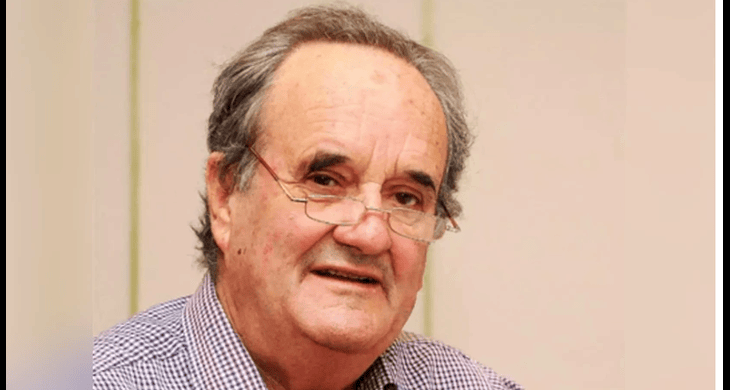

Sir William Mark Tully, KBE (24 October 1935 – 25January 2026), one of the most influential and beloved voices in Indian journalism and broadcasting, has passed away in a Delhi hospital at the age of 90.
Born in Tollygunge, Calcutta (now Kolkata), to British parents, Mark Tully spent his early childhood in India before being sent to England for schooling at Marlborough College and Trinity Hall, Cambridge. Yet India remained the gravitational centre of his life and work. He returned to the country in 1964 as the BBC’s India Correspondent, eventually rising to become Bureau Chief in New Delhi—a position he held with distinction for nearly three decades until his resignation in 1994.
During his long tenure with the BBC, Tully became synonymous with balanced, insightful, and deeply empathetic reporting on India. His measured voice and refusal to sensationalise brought credibility to the airwaves at critical moments in modern Indian history: the 1975–1977 Emergency, the 1984 assassination of Indira Gandhi and the ensuing anti-Sikh violence, Operation Blue Star, the 1992 Babri Masjid demolition and its aftermath, economic liberalisation, and countless elections and social upheavals. Generations of Indian listeners grew up trusting the calm, thoughtful cadences of “From Our Own Correspondent” and BBC World Service reports filed from dusty roadsides, riot-affected neighbourhoods, and the corridors of power.
Expelled from India during the Emergency (only to be allowed back later), criticised by both Indian nationalists and sections of the British establishment, Tully never wavered from his commitment to fair-minded journalism. He was knighted (KBE) in 2002 and awarded the Padma Shri by the Government of India in 2005—the rare honour of official recognition from both countries.
After leaving the BBC, Tully continued to write prolifically. His books—among them No Full Stops in India (1988), The Heart of India (1995), India in Slow Motion (2002, co-authored with Gillian Wright), India: The Road Ahead (2011), and several collections of short stories—offered affectionate yet unflinching portraits of a changing nation. They combined the eye of a seasoned reporter with the warmth of someone who considered India home.
Tully lived much of his later life in New Delhi and McLeod Ganj, walking the streets daily, engaging with ordinary people, and maintaining an abiding curiosity about the country’s complexities. A devout Anglican, he often spoke of the spiritual convergences between his Christian faith and the lived realities of Indian pluralism.
India has lost one of its most perceptive and affectionate chroniclers. Mark Tully did not merely report on India—he listened to it, understood it, and loved it across its many contradictions. His legacy endures in the trust he built, the stories he told, and the quiet dignity with which he bridged worlds.
May his soul rest in peace.
(Qurban Ali is former BBC Journalist)
Read more news about Digital Media, Television Media, Out of Home Advertising, Print Media, Latest Advertising India
For more updates, be socially connected with us onInstagram, LinkedIn, Twitter, Facebook, YouTube & Google News