No proposal for mega studio: Ashwini Vaishnaw signals shift to PPP-led film ecosystem
In the absence of a central mega studio plan, the onus of building physical production infrastructure is increasingly shifting to states
 by
by
Published: Apr 1, 2026 3:42 PM | 3 min read
 Follow Us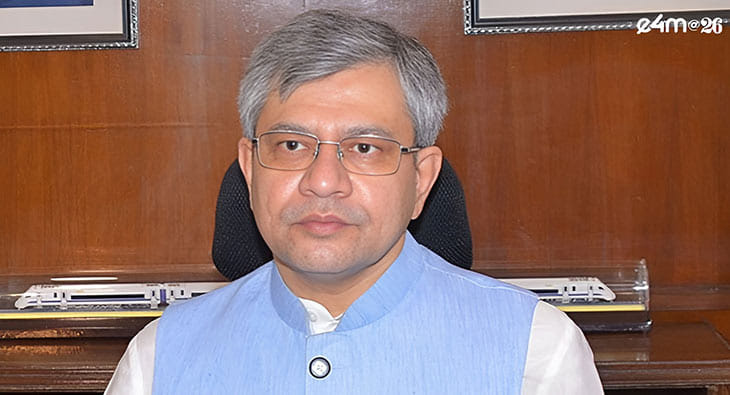

The Centre has ruled out a direct plan to set up a mega government-backed movie production studio, instead signalling a strategic shift toward a distributed, public-private-led film ecosystem—an approach that could reshape how India positions itself as a global content hub.
The clarification, made in a Lok Sabha response by Union Minister Ashwini Vaishnaw, underscores that the government is not pursuing a single large-scale studio project. Instead, it is backing a mix of funding schemes, co-production frameworks and state-led infrastructure development to drive growth and employment in the media and entertainment sector.
At the centre of this policy architecture is the Development, Communication & Dissemination of Filmic Content (DCDFC) Scheme, a fully centrally funded programme that supports film production across formats. Implemented through the National Film Development Corporation (NFDC), the scheme spans regional cinema and documentaries while generating employment for technicians, artists and ancillary service providers across the country.
No ‘mega studio’, but a networked model
The government’s position effectively moves away from the idea of a flagship, centralised production hub—often seen in global markets such as Hollywood or large state-backed studio complexes in parts of Asia. Instead, officials are betting on a decentralised model where multiple production ecosystems evolve simultaneously, supported by policy and private capital.
This includes encouraging international and domestic co-productions through formal audio-visual agreements, which operate on a public-private partnership (PPP) basis. These arrangements are designed to bring in foreign investment, facilitate technology transfer and integrate Indian creators into global content supply chains.
The shift also aligns with the government’s broader “Create in India, Create for the World” ambition, which seeks to position the country as a content creation hub for global audiences.
This vision was on display at the World Audio Visual & Entertainment Summit (WAVES 2025), which brought together stakeholders from over 100 countries, including studios, OTT platforms, investors and technology firms. The event served as a marketplace for cross-border collaborations rather than a platform for announcing large state-owned infrastructure projects.
States to drive studio infrastructure
In the absence of a central mega studio plan, the onus of building physical production infrastructure is increasingly shifting to states. According to the government’s response, several states are already promoting film studio development under their industrial policies, often through PPP models.
This could lead to the emergence of multiple regional production hubs competing for investment, talent and international projects—mirroring trends seen in sectors such as electronics manufacturing and data centres.
Beyond production, the Centre is also investing in soft infrastructure—film festivals, skill development and content preservation. Grants are being extended to state-recommended film festivals, along with curated film packages, workshops and masterclasses. NFDC is also working with state film bodies to provide technical expertise and preserve regional film content.
While the government reiterated that its initiatives generate employment across the value chain—from on-ground technicians to creative professionals—it stopped short of providing a consolidated estimate of jobs that could be created under this decentralised model.
The absence of a mega studio announcement, coupled with a clear policy push for PPP-led growth, signals a calibrated shift: rather than investing heavily in a single marquee project, the government is seeking to crowd in private capital, scale regional ecosystems and integrate India more deeply into the global content economy.
For the industry, this could mean greater flexibility and wider geographic spread of opportunities but also a more competitive landscape as states and private players vie to become the country’s next big production hub.
Read more news about Digital Media, Television Media, Out of Home Advertising, Print Media, Latest Advertising India
For more updates, be socially connected with us onInstagram, LinkedIn, Twitter, Facebook, YouTube & Google News