Leveraging distinctiveness and trust to strengthen brand equity
Guest Column: Inderpreet Singh, Head–Marketing at Birla Opus Paints, shares how today’s informed consumers distinguish brands by the experiences they deliver, not features
 by
by
Published: Dec 24, 2025 8:07 AM | 5 min read
 Follow Us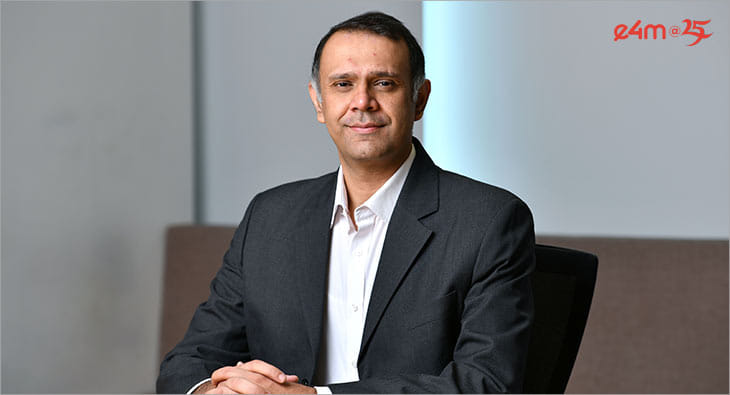

Let us begin by acknowledging a paradigm shift: in most mature industries, differentiation has become increasingly elusive. Products are comparable, price points are compressed, and any functional benefits are quickly replicated. Consumers, too, are more aware, more informed, and they demonstrate this in the choices they make when engaging with brands and their products, from discovery and comparison to buying and post-purchase. This is especially true in consumer-facing sectors that were traditionally dominated by distribution strength or legacy presence.
How, then, can brands create distinctiveness?
Not by what they sell. No, they must underscore the distinctiveness in how they show up – with the experiences they design, the innovations they prioritise, and the trust they earn.
Changing dynamics of consumer interaction: Why experience is the new battleground
For the longest time, experience was treated as a nice-to-have attribute, an embellishment layered atop the core product. This has changed drastically; today, experience is central to brand competitive strategy.
This change was inevitable, because modern consumers no longer engage with brands in linear ways. The average consumer journey now is highly fragmented. They search brands and products across digital platforms, explore them in retail environments, actively pursue service interactions, and evaluate and share their post-purchase moments. A decade ago, these touchpoints might have been treated as discrete, but today all of them contribute to a holistic perception of value for the end-consumer.
It is why a growing number of industries, even the ones once considered purely functional are investing heavily in experience design. It is why brands must focus on building and delivering cohesive, consistent consumer experiences across all touchpoints. This shift is already visible in modern brand-consumer interactions, from immersive retail formats and digital visualisation tools to simplified interfaces for decision-making.
What is particularly noteworthy in this transformation is the shift from selling to reassuring. Service-led guarantees, outcome-based commitments and performance assurances are increasingly being built into brand offerings to reduce consumer anxiety, especially for high-consideration purchases. Extended warranties, simplified service promises, transparent timelines and clear accountability frameworks are no longer differentiators, but expectations. These moves signal confidence and empathy, reframing the transaction as a partnership rather than a one-off sale, and helping consumers feel supported well beyond the point of purchase.
An approach for solution-oriented thinking in a cluttered marketplace
Brands often make the mistake of treating innovation as novelty. Yet, innovating for the sake of innovation is, at best, not very useful and, at worst, can often be detrimental.
Innovations must address long-standing consumer pain points like inconsistency in quality, complexity of choice, lack of transparency, unpredictable outcomes, amongst others. And brands are rising to the challenge; across sectors, significant investments are being made in R&D, data-driven insights, and process excellence to shape product and service differentiation behind the scenes.
Equally important is innovation in go-to-market strategies. Tech-enabled engagement models, smarter use of data to personalise communication, and the blending of physical and digital experiences are allowing brands to meet consumers where they are, at the very point of need and with the right context to inform the interaction.
Why brands must treat trust as a strategic asset, not a soft metric
But, if experience attracts and innovation excites, trust is what sustains growth. In cluttered markets, trust has emerged as one of the few remaining defensible advantages. Modern consumers are increasingly sceptical of exaggerated claims and short-term promotions; instead, what they respond most positively is consistency between promise and delivery.
And this trust-building goes beyond compliance or quality certifications. It is reflected in how transparently brands communicate, how they respond when things go wrong, and how accountable they are to the consumer experience. Initiatives that place responsibility back on the brand, rather than the buyer, are reshaping expectations across categories and are increasingly being appreciated by consumers across all sectors.
It is important to understand that trust is cumulative. Every fulfilled promise strengthens it; every mismatch erodes it. Brands that understand this are moving away from one-off campaigns and towards long-term credibility-building.
The real game-changer lies in integrating experience, innovation and trust
What separates, and will continue to separate, truly differentiated brands from the rest is not excellence in any single area but the ability to integrate experience, innovation, and trust into a cohesive unit.
Why? Because when product quality is backed by meaningful innovation, when innovation is delivered through thoughtful experiences, and when experiences consistently reinforce trust, brands move from being considered to being preferred. This integrated approach also ensures that growth is not just rapid, but resilient, with a shift from short-term market share battles to long-term value creation.
Most importantly, there is a growing realisation that differentiation is not about standing apart, but about standing up, taking responsibility for outcomes, aligning words with actions, and showing up consistently for consumers. As industries continue to evolve, the way forward is becoming clearer. In a marketplace crowded with promises, brands that deliver quietly, confidently, and consistently will be the ones that will stand the test of time.
Read more news about Marketing News, Advertising News, PR and Corporate Communication News, Digital News, People Movement News
For more updates, be socially connected with us onInstagram, LinkedIn, Twitter, Facebook, YouTube & Google News