For chocolate mkt, smaller towns are innovators & early adopters: Zoher Kapuswala, Ferrero
Zoher Kapuswala, Marketing Head, Ferrero India, explains how brands are recalibrating their marketing strategies to align with evolving consumer behaviour
 by
by
Published: Mar 5, 2026 9:08 AM | 6 min read
 Follow Us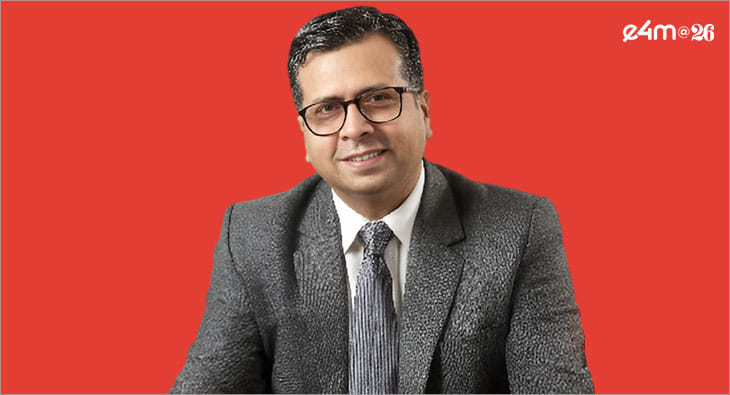

As India’s chocolate market moves beyond festival-led gifting towards everyday consumption and experience-driven purchases, brands are recalibrating their marketing and distribution strategies to align with evolving consumer behaviour.
For Ferrero India, this shift is playing out across omnichannel expansion, premium yet accessible price architecture, quick commerce integration and sharper digital targeting, according to Zoher Kapuswala, Marketing Head, Ferrero India.
Marketing mix
Ferrero India is recalibrating its marketing mix in line with evolving consumer touchpoints, with channel allocation increasingly determined by brand role and consumption context rather than a fixed formula. Kapuswala said the company’s media strategy varies brand by brand, depending on where the consumer is most active.
“I wouldn’t say it is predominantly digital. It is brand specific,” he said.
Certain brands operate heavily on digital platforms, while others require a balanced mix of television and digital to drive both reach and relevance. The rise of connected TV is also influencing planning decisions, as more consumers shift from traditional cable to internet-enabled viewing.
He noted that the company maps the “day in the life of the consumer” to identify relevant touchpoints, activating different platforms accordingly. For example, brands like Nutella speak primarily to mothers, Tic Tac targets youth cohorts directly, while Kinder products are positioned around family consumption occasions.
Influencer marketing is playing an increasingly important role as social platforms become central to engagement. However, Kapuswala emphasised that content on social must be more permissive and entertainment-led, with the brand message embedded within the narrative rather than overtly pushed.
AI, meanwhile, is being deployed across both backend and marketing functions. The company uses AI-driven tools for demand forecasting, media optimisation, channel selection, creative rotation and bidding across digital platforms. AI has also been used in select consumer activations.
Ferrero’s communication strategy in India is anchored in engaging parents and families rather than directly targeting children.
“We do not talk to kids. We talk to parents and families,” Kapuswala said, referencing the company’s ethical marketing pledge. Media planning is therefore structured around adult shoppers and household decision-makers.
Premiumisation Beyond Metros
Premium uptake, he said, is no longer restricted to metro markets.
Consumers across regions are gradually moving from basic offerings towards more evolved and premium products. While this transition began earlier in metros, other cities are catching up.
Kapuswala also suggested that India is at the cusp of a larger consumerism shift. “India’s per capita chocolate consumption is still measured in grams, while markets like the UK are at two kilos per capita. This headroom is poised to come in India,” he said, indicating long-term headroom for category expansion.
Premium, but Value-Led
Addressing Ferrero’s premium positioning in a price-sensitive market like India, Kapuswala said premium for the company is anchored in value delivery rather than price perception alone.
“Yes, we are premium, but we are premium because we deliver value to the consumers,” he said. He pointed to multi-layered, multi-sensorial product construction as a differentiator, reinforcing experiential value.
Accessibility, he explained, operates at two levels - pricing and distribution.
On distribution, Ferrero has expanded beyond metros into tier 1, tier 2 and tier 3 markets, while strengthening presence across modern trade and e-commerce platforms.
Kapuswala described smaller towns as being at the “innovators and early adopters” stage of the consumption curve.
In his view, aspiration and disposable income were always present in these markets, but access and exposure were limited. With evolving retail infrastructure, e-commerce penetration and broader media exposure, consumers in these geographies are increasingly experimenting with new formats and product experiences. He believes these markets will continue to contribute significantly to category growth as awareness deepens and distribution widens.
Everyday Consumption and Casual Gifting
While premium chocolate has traditionally been associated with festive or formal gifting occasions, Kapuswala observed that gifting behaviour is shifting towards more casual, everyday moments.
Shareable pouch packs and smaller formats are benefiting from this change, as consumers increasingly integrate chocolates into routine celebrations rather than limiting purchases to seasonal spikes.
At the same time, he disagreed with the idea that the category is moving entirely to an always-on gifting model. Gifting remains a relatively small subset of the broader chocolate market, which continues to be driven largely by everyday consumption.
Quick Commerce as an Impulse Engine
Quick commerce is emerging as an important channel, particularly for impulse-led consumption.
“If you want a small treat, you want it here and now. Quick commerce enables that moment,” Kapuswala said. He explained that quick commerce allows consumers to fulfil immediate consumption needs, especially during live entertainment moments such as cricket matches, thereby reinforcing real-time bonding occasions.
Retail media on these platforms functions primarily as a reminder mechanism, similar to point-of-sale visibility in physical stores. However, he stressed that brand equity must be built through broader communication before retail media can effectively drive conversion.
Cricket as a cultural illustration
As an illustration of its family-focused strategy, Ferrero recently activated Kinder Schoko Bons Crispy during the cricket season with the ‘Cheers to Win’ initiative.
Kapuswala said the campaign was built on cricket’s ability to unite families and create bonding moments at home.
“Cricket becomes one enabler of creating fun bonding moments with the family,” he said.
The activation merged the brand’s core ethos of bonding, the cultural passion around cricket and the participatory nature of cheering for teams. Packaging integration, digital engagement and interactive elements were deployed to move beyond simple media presence and encourage consumer participation.
Outlook
Looking ahead to 2026, Kapuswala said Ferrero’s focus remains on outperforming the category and deepening relevance with Indian consumers.
“We are small. We need to outperform and grow faster than the category. Only then will we be able to carve out a space for ourselves,” he said.
Among the trends he expects to gain momentum are the growth of pouch-pack formats, the rise of the “kidult” economy, sustained premiumisation and the continued evolution of consumers into fully omnichannel shoppers.
As India’s chocolate market matures, Ferrero is positioning itself at the intersection of premium value delivery, family bonding occasions and modern retail infrastructure.
Read more news about Marketing News, Advertising News, PR and Corporate Communication News, Digital News, People Movement News
For more updates, be socially connected with us onInstagram, LinkedIn, Twitter, Facebook, YouTube & Google News