Can star power alone make brands shine?
While star power can catalyze a brand’s initial success, long-term growth requires a strong foundation beyond celebrity involvement. Experts weigh in
 by
by
Published: Nov 22, 2024 9:09 AM | 4 min read
 Follow Us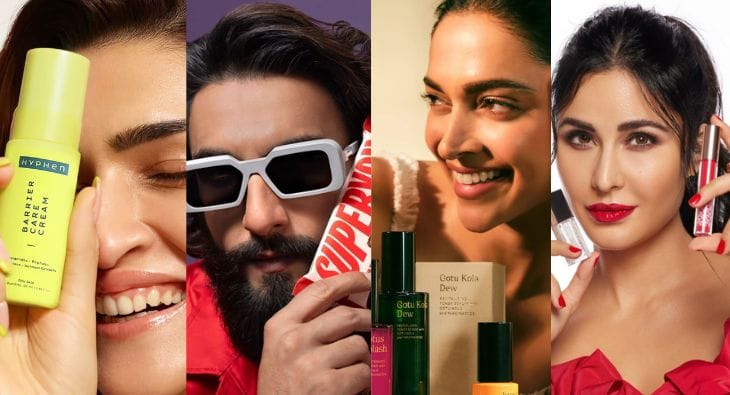

The allure of celebrity co-founders has reshaped the dynamics of branding in the past decade. Moving beyond endorsements, celebrities now actively engage as stakeholders in early-stage brands, leveraging their personal appeal to amplify visibility and credibility. But is this trend a sustainable strategy, or does it come with hidden risks?
Bollywood star Ranveer Singh recently co-founded SuperYou, a protein food and supplements brand, alongside entrepreneur Nikunj Biyani. Marking a significant debut, the brand introduced India's first protein wafer bar, utilizing innovative fermented yeast protein technology.
Celebrity co-founders offer instant brand recognition and a unique emotional connection that traditional founders might take years to establish. Lloyd Mathias, a noted brand expert, aptly observes, “A celebrity’s credibility rubs off on the brand. If they are genuinely involved in the brand's direction, it creates a positive relationship.”
Take Deepika Padukone’s 82°E and Alia Bhatt’s Ed-a-Mamma, both of which have rapidly gained traction in competitive markets. Rana Daggubati’s Broadway, an experiential retail concept, also showcases how celebrity-backed ventures can stand out. These brands thrive on the perception that the celebrity's personal values align with the product, creating an emotional pull for consumers.
However, Shradha Agarwal, founder of Grapes, points out an essential nuance: “If the celebrity's involvement is superficial, it’s just an endorsement in disguise. Real value comes when they have genuine skin in the game, influencing product development or brand strategy.”
In today’s era of hyper-connected consumers, authenticity is non-negotiable. Agarwal highlights that “consumers trust brands more when celebrities actively use and endorse the products in real-life scenarios.” For example, Katrina Kaif’s Kay Beauty balances glamor with functionality, resonating with audiences due to her hands-on approach.
Social media amplifies this connection. Celebrities who integrate brand mentions into their day-to-day lives like Kriti Sanon with Hyphen strengthen consumer trust by making their usage feel genuine. Komal Lath, founder of Tute Consult, states, “When consumers know a celebrity has invested in a brand, it suggests the brand holds intrinsic value, prompting them to give it a chance.”
While star power can catalyze a brand’s initial success, long-term growth requires a strong foundation beyond celebrity involvement. Hrithik Roshan’s HRX exemplifies sustainability, having diversified into fitness, apparel, and partnerships like Cult.Fit.
Mathias warns of potential pitfalls: “A celebrity’s declining popularity or public controversies can severely impact a brand.” Case in point: Jacqueline Fernandez’s association with a controversial figure led to scrutiny of her partnerships, while Tiger Woods’ scandals triggered the termination of several endorsement deals.
Nevertheless, some brands have successfully mitigated these risks. Priyanka Chopra’s Anomaly and MS Dhoni’s SEVEN focus on aligning the celebrity’s persona with the product’s ethos, ensuring longevity even if the star's limelight fades.
Celebrity-backed brands walk a tightrope when it comes to public perception. Unlike traditional endorsement deals, where companies can sever ties swiftly in case of controversy, equity stakes complicate matters. As Mathias points out, “Ownership stakes deepen the association, making it harder to distance the brand from the celebrity.”
The infamous Pepsi-Kendall Jenner ad is a stark reminder of how misaligned celebrity-brand partnerships can backfire. Shradha underscores this risk:
“Founders must evaluate the long-term viability of celebrity involvement and avoid shortcuts that compromise the brand’s integrity.”
The rise of celebrity co-founders is undoubtedly an exciting shift in brand strategy. It allows startups to compete with established players by leveraging the cultural capital of stars. However, as Lath notes, “The success of celebrity-backed brands hinges on building a robust, independent business model that aligns with the celebrity’s image but isn’t entirely dependent on it.”
From enhancing consumer trust to amplifying brand visibility, celebrity co-founders bring undeniable advantages. Yet, navigating the complexities of fame, controversy, and sustainability requires maturity and strategic foresight. As this trend evolves, brands must balance the allure of star power with the resilience of sound business practices.
Read more news about Marketing News, Advertising News, PR and Corporate Communication News, Digital News, People Movement News
For more updates, be socially connected with us onInstagram, LinkedIn, Twitter, Facebook, YouTube & Google News
