Celebrity team owners have been a gamechanger for us: Akhil Reddy, Indian Racing League
Akhil Reddy, the owner of the Indian Racing League, discusses the popularity of motorsport in India, celebrity interest, and the economic potential of the sport among other things
 by
by
Published: Sep 30, 2024 8:49 AM | 8 min read
 Follow Us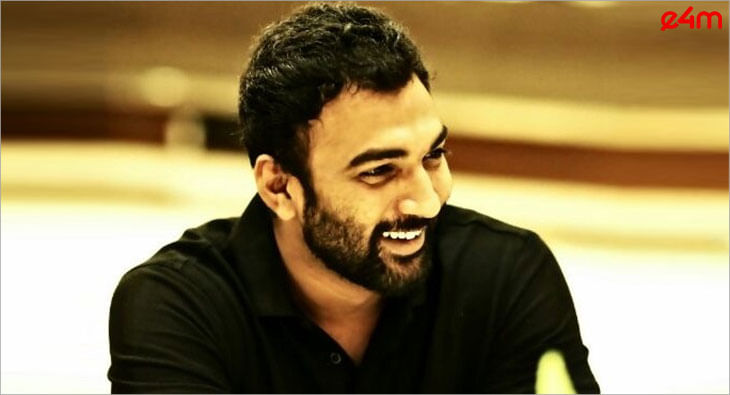

Akhil Reddy, the owner of the Indian Racing League, shares insights into the transformative journey of motorsport in India over the past two years.
From launching groundbreaking initiatives like the Indian Racing League and F4 championship to establishing a night street circuit in Chennai, Reddy reflects on the challenges and triumphs of promoting motorsport in a country traditionally dominated by cricket.
Excerpts:
Could you tell me about the big highlights of the last two years? What significant changes have you seen since we last spoke?
It’s been quite a transformative journey! Since our last meeting, we have launched several initiatives, including the Indian Racing League (IRL) and the F4 championship in 2023. Our goal was to create something unique that resonates with motorsport fans and provides a memorable experience for the cities hosting our events. One long-cherished dream was to establish a night street circuit, which we accomplished with the incredible support of the Tamil Nadu government. Their involvement was crucial, enabling us to execute the event successfully and achieve a grand scale of participation and viewership.
The Tamil Nadu government’s support has been phenomenal. They were instrumental in facilitating the logistics and promoting our event on various platforms, including local media and community outreach. Their involvement helped ensure that the event was well-organised and widely attended. The result exceeded our expectations, generating substantial online engagement—over 5.38 billion mentions within just four days after the race! This kind of reach is remarkable for motorsport in India, especially considering how the sport is still in its growth phase here.
We have seen growing celebrity interest in your league. How has that influenced your initiatives?
The involvement of celebrities as team owners has been a game-changer for us. They recognized the potential in our league and were inspired by our vision. For instance, Sourav Ganguly is now leading the Kolkata team. John Abraham, well-known for his passion for motorsport, has taken on the Goa team, bringing his influence and fan base with him. Naga Chaitanya, enthusiastic about motorsport and automobiles, represents the Hyderabad team, and Arjun Kapoor is part of the Delhi team. Their participation not only raises our profile but also adds a layer of credibility that attracts more fans and sponsors. This blend of sports and celebrity culture is a powerful tool for engaging a wider audience.
Celebrity involvement has also been instrumental in elevating the visibility of the league. They bring their fan base and credibility to the sport, which helps attract more attention and sponsorship. It was essential to convey our vision and the future of motorsport in India to them. Once they understood the ecosystem we were building and the potential for growth, they were eager to join. This collaboration not only enhances the league's profile but also creates more opportunities for engagement with fans.
Do you think there is a growing appetite for motorsport in India now?
Absolutely. India has always had motorsport enthusiasts, but there was a myth that participation was too costly and inaccessible. Our initiatives have demonstrated that the sport is engaging and achievable. The numbers indicate a noticeable increase in interest, especially after the street circuit in Hyderabad and the recent Chennai night race. The difference in public engagement from 2022 to 2024 is striking; the numbers speak for themselves. We have seen packed grandstands and enthusiastic crowds that validate our efforts.
You mentioned that motorsport is often perceived as expensive. How do you counter that perception?
It’s interesting because while motorsport has been viewed as costly, today the expenses are comparable to those in other sports. For example, the cost of go-karting has remained stable over the years. Whether you are looking at motorsports or cricket, the financial barriers to entry are similar. We are actively working to make motorsport more accessible. The price for entry into karting remains around ₹75,000 to ₹1 lakh, which is comparable to what one might spend on sports like cricket. We emphasise that getting involved in motorsport is not as prohibitive as it may seem.
What improvements have you seen in infrastructure for motorsport in India over the last two years?
The infrastructure has seen significant improvements. Numerous new karting tracks have been established in cities like Hyderabad, Bangalore, and Chennai. Previously, each city might have had only one or two tracks, but now we are seeing three to five in many areas. Furthermore, next year, we expect three permanent tracks to be built, which is substantial for the motorsport landscape in India. This development reflects growing interest and investment in the sport, indicating that both public and private sectors are recognizing the potential of motorsport.
In terms of public awareness, how do you plan to engage more people with motorsport?
We have been proactive in raising awareness about motorsport through various outreach events. For instance, we held a successful roadshow run Srinagar that garnered significant attention from government officials, including the Prime Minister and the Home Minister. Based on that success, we are planning another event in Jammu. These initiatives help demystify the sport, making it more relatable to the public, and encourage them to engage with motorsport as a viable and exciting option. We also utilize social media to reach younger audiences, showcasing the thrilling aspects of motorsport and encouraging participation.
How has the media covered the rise of motorsport in India?
Initially, the press was sceptical, particularly regarding the challenges of organising a night race. However, once the event took place and showcased our level of organisation and execution, media coverage improved significantly. The scale of our operation and the high attendance at the events have led to positive reviews. After seeing the success of the Chennai night race, many outlets began recognizing the potential of motorsport in India. This shift in media perception is critical for building public interest and credibility.
What are the key challenges you still face in promoting motorsport in India?
One major challenge is changing public perception. Many people still see motorsport as a costly endeavour, which isn’t entirely accurate anymore. We also need the public to understand that temporary road closures for events are necessary for safety and enjoyment. There’s still some resistance due to unfamiliarity with the sport, but education and outreach are crucial. Additionally, navigating the regulatory landscape and ensuring community support for events are ongoing challenges.
Can you elaborate on the economic potential of motorsport in India?
Motorsport offers substantial economic potential. It can create jobs—not just for drivers, but for mechanics, engineers, and support staff. The growth of motorsport can stimulate local economies by attracting tourism and investment. Our discussions with manufacturers like Ford indicate that events can encourage international firms to establish a presence in India. This could lead to significant job creation and economic development. Moreover, successful motorsport events can promote ancillary industries, such as hospitality, event management, and merchandising.
How do you see the changing preferences of younger audiences towards sports like motorsport?
There’s a clear shift in interests among younger audiences. Reports indicate that football is the top preference, followed by motorsport. This changing dynamic reflects a new generation that is more open to diverse sporting experiences. We are in a prime position to capitalize on this interest and provide a platform that caters to their enthusiasm for motorsport. Engaging with this demographic through innovative marketing strategies, social media, and live events will be crucial for the growth of motorsport in India.
What is your vision for the future of motorsport in India?
My vision is to create a sustainable ecosystem for motorsport in India. I aim to see at least one Indian female driver in Formula 2 and one Indian driver from our league participating in Formula 1 by 2030. This journey is about establishing a foundation for future generations to thrive in motorsport, showcasing the talent we have in this country. I believe that achieving these milestones will inspire countless others to pursue their dreams in this field.
What message would you like to convey to aspiring motorsport enthusiasts in India?
I want them to know that motorsport is not just a dream; it’s an achievable goal. With the right support and opportunities, they can carve out a successful career in this field. The future is bright for motorsport in India, and we are committed to nurturing talent at all levels. It’s an exciting time to be involved in motorsport, and I encourage everyone to follow their passion and seize the opportunities that are emerging in this growing industry.
Read more news about Marketing News, Advertising News, PR and Corporate Communication News, Digital News, People Movement News
For more updates, be socially connected with us onInstagram, LinkedIn, Twitter, Facebook, YouTube & Google News