Safe Harbour under scrutiny: Can social media platforms remain mere spectators?
Guest Column: There is growing judicial discomfort with intermediaries profiting from engagement while disclaiming responsibility for its consequences, writes M. Gautham Machaiah
 by
by
Published: Jun 24, 2026 12:44 PM | 6 min read
 Follow Us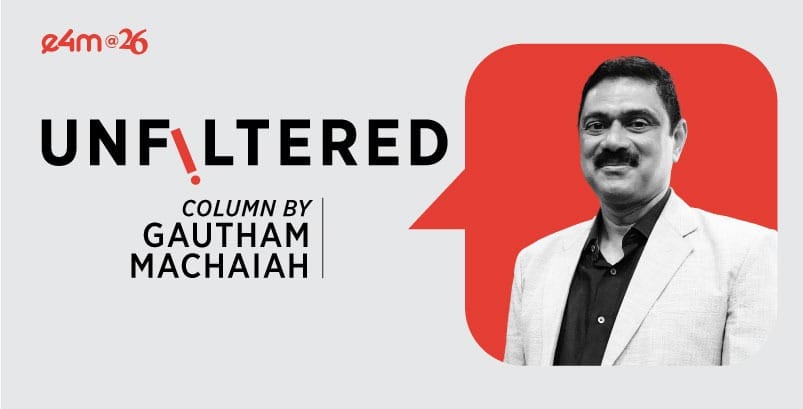

- The legal principle of 'safe harbour' has historically protected online platforms from liability for user-generated content, but courts are increasingly questioning this status as issues like misinformation and online abuse rise.
- Recent rulings in India, particularly by the Delhi and Bombay High Courts, indicate that platforms must take proactive measures against harmful content rather than remaining passive, suggesting a shift in the interpretation of intermediary liability.
- Globally, courts are beginning to view safe harbour as a conditional privilege, with cases in Australia and Europe reinforcing the idea that platforms cannot evade responsibility for harmful content.
- The article emphasizes the need for a balanced approach to regulation that holds platforms accountable for algorithmically amplified harmful content while preserving the openness of the internet.
For nearly three decades, the internet has operated on a simple legal bargain: platforms would not be held liable for every piece of content posted by users, and in return, they would provide the infrastructure that democratised access to information and transformed global communication. This principle, known as ‘safe harbour’, laid the foundation of the modern internet.
Today, however, courts worldwide are questioning whether platforms that curate, amplify and monetise content can still be regarded as passive intermediaries. As misinformation, online abuse, deepfakes and digital vigilantism proliferate, the legal debate is shifting from protecting platforms to safeguarding individuals, businesses and institutions harmed by content that spreads at unprecedented speed.
A changing legal landscape
In India, Section 79 of the Information Technology Act grants intermediaries immunity from liability for third-party content, provided they comply with statutory due diligence. Traditionally, courts confined themselves to directing platforms to remove specific content through takedown orders or injunctions. As long as intermediaries complied, their safe harbour remained intact. Recent judicial observations, however, suggest a subtle shift.
The Delhi High Court has held that intermediaries cannot remain passive spectators when confronted with manifestly unlawful or damaging content. They must act proactively and not simply await formal court orders. The Bombay High Court has similarly stressed that platforms cannot facilitate defamatory content under the guise of neutrality. While these rulings do not erode statutory protection under Section 79, they signal an emerging expectation of greater diligence. The message is clear: safe harbour is not a licence for indifference.
In X Corp (formerly Twitter) v Union of India (2026), concerning non-consensual AI-generated images attributed to Grok, the Karnataka High Court warned that algorithmic systems must not infringe constitutional rights under the pretext of technological neutrality. Failure to comply with obligations under the IT Act, it noted, could result in loss of intermediary protection. Significantly, this moves the debate beyond user-generated content to algorithm-generated outputs, raising questions about whether AI systems can enjoy the same protections as traditional intermediaries.
The global pushback against absolute immunity
India is not alone in reconsidering the contours of intermediary liability. Courts across jurisdictions have begun treating safe harbour as a conditional privilege rather than an absolute shield.
The defence that harmful content originated from third parties is increasingly losing judicial favour. In Fairfax Media Publications Pty Ltd v Voller (2021) and Delfi AS v Estonia (2015), the Australian High Court and the European Court of Human Rights held that media organisations could not evade liability for unlawful or defamatory comments posted on their social media pages and online platforms.
The principle is now extending beyond publishers and media houses to technology companies. In France, Telegram founder Pavel Durov was arrested and placed under judicial investigation in 2024 on allegations that moderation failures had enabled organised crime.
Collectively, these cases signal a growing judicial discomfort with platforms profiting from engagement while disclaiming responsibility for its consequences.
Freedom of Speech is not an unfettered right
The debate is often framed as a clash between free speech and regulation. That is a false binary. Article 19(1)(a) of the Constitution guarantees freedom of speech and expression, but Article 19(2) permits reasonable restrictions in the interests of public order, decency, morality, defamation, contempt of court and other legitimate concerns.
Traditional media organisations understand these boundaries. Newspapers, broadcasters and publishers exercise editorial control and are directly liable for unlawful content. Social media intermediaries occupy a different category because they generally do not create or edit user material. Yet the distinction blurs when algorithms determine what content is amplified, recommended and monetised.
The question confronting courts today is whether platforms that influence visibility and engagement can continue to be treated as entirely passive conduits.
The human cost of digital immunity
Lost amid legal arguments is the plight of ordinary citizens. Governments, corporations and politicians can approach courts, seek injunctions and issue notices. Most individuals cannot.
For victims of online abuse, the consequences are severe. A young woman's reputation may be destroyed through fabricated allegations. Intimate images may be circulated without consent. Deepfakes can depict people in compromising situations that never occurred. Individuals may also face cyberstalking, doxxing, caste-based abuse, communal targeting or coordinated harassment campaigns.
Reporting such content often leads to automated moderation systems unable to grasp context, local languages or cultural nuance. The familiar response — “This does not violate our community standards” — has become a source of frustration.
By the time content is removed, it may already have been viewed by millions, copied across platforms and preserved indefinitely through screenshots and reposts. Legal remedies secured weeks or months later offer little consolation when reputational damage has already become irreversible. The challenge is no longer merely identifying perpetrators, but ensuring remedies arrive before the damage becomes permanent.
Destroying corporate reputation
The risks extend beyond individuals. In today’s digital economy, reputation is often a company’s most valuable asset. False allegations, manipulated videos, misleading comparisons and coordinated disinformation can inflict serious commercial harm within hours.
Recognising this, the Bombay High Court recently granted interim relief to Asian Paints against both named and unnamed defendants over allegedly disparaging content, noting that once harmful material gains viral traction, damage may be difficult to reverse.
Large corporations may have the resources to seek urgent relief; smaller businesses rarely do. A viral falsehood can erase years of goodwill before legal processes even begin.
The implications extend further into financial markets. Unverified claims of accounting irregularities, regulatory investigations, product failures or executive misconduct can trigger panic among investors. A single misleading post can wipe out millions in market capitalisation before facts have an opportunity to catch up with speculation.
Finding the middle path
Despite these concerns, imposing blanket publisher liability on social media platforms would be neither practical nor desirable. Such an approach risks excessive censorship and undermines the openness that made the internet transformative. Yet near-total immunity is increasingly difficult to justify.
The answer lies in a calibrated middle path. Platforms should not be expected to pre-screen every piece of user-generated content. However, they should be required to respond swiftly to clearly unlawful or defamatory content.
Greater accountability must also extend to algorithms. While platforms may not be liable for every post, there is a strong case for responsibility when their systems actively amplify harmful content to maximise engagement and revenue.
The internet’s greatest achievement has been the democratisation of speech. But technological progress cannot come at the expense of dignity, privacy, reputation or economic security. As courts reassess intermediary immunity, the goal should be to modernise safe harbour for an era in which platforms are no longer mere hosts but powerful architects of digital discourse.
The challenge for lawmakers, judges and the technology industry is to ensure that free speech and individual liberty evolve together. The future of the digital public square may well depend on striking that balance.
(The author is a certified Independent Director who has held senior leadership positions across print, broadcast and digital platforms)
Read more news about Digital Media, Internet Advertising, Marketing News, Television Media, Radio Media
For more updates, be socially connected with us onInstagram, LinkedIn, Twitter, Facebook, YouTube & Google News