The path forward lies in scaling relatable and accessible content: Kiran Mani
Speaking at an event in Delhi, Kiran Mani, CEO-Digital, JioStar, highlighted the convergence of big and small screens, noting that connectivity will drive the next wave of growth
 by
by
Published: Jan 16, 2025 6:25 PM | 3 min read
 Follow Us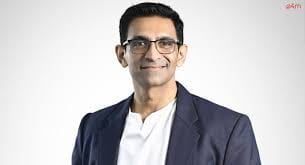

Kiran Mani, CEO-Digital of JioStar, on Thursday shared insights on the growing dominance of OTT platforms and the need for sustainable content innovation. Mani addressed key trends reshaping the industry in 2025. “TV content that once cost ₹15 lakh per hour now goes up to nearly ₹1 crore per episode on OTT platforms. This six-fold increase for an audience one-fifth the size of traditional TV is simply not sustainable,” he said while speaking at an event in Delhi.
He highlighted the challenge of balancing quality with accessibility, emphasising that the path forward lies in scaling relatable and accessible content before venturing into premium formats.
Mani credited the OTT revolution with elevating storytelling standards and creating cinematic experiences for small screens. However, he warned of the need to align ambitious production budgets with India’s unique market dynamics.
Contrary to popular critiques, Mani advocated for the cultural significance of mass-market shows like Nagin and the Ganji Chudail phenomena. “These so-called ‘sas-bahu serials’ are rooted in deep cultural insights. They resonate with audiences because they reflect societal aspirations and norms, particularly for women in the Hindi-speaking belt,” he said.
Mani noted the evolution of storytelling in Indian entertainment, with narratives shifting from “Shiksha” (education) to “Saksham” (empowerment) and from “Sushil” (docile) to “Swabhiman” (self-respect). These changes mirror India’s broader societal progress.
Multi-Lingual Content
Relatability emerged as a recurring theme in Mani’s address, particularly in sports and international content. JioStar’s multilingual broadcasting of the Olympics led to a seven-fold increase in viewership compared to previous years. “Hindi has now become the number one language for Hollywood viewership in India,” Mani revealed, highlighting the success of dubbing global content into regional languages.
He also pointed to the electrifying impact of local cricket commentary in dialects like Bhojpuri and Haryanvi. “It’s not just entertaining; it’s transformative, bringing content closer to the audiences it serves.”
Platforms Over Content: The Next Frontier
When asked where he would invest ₹1,000 crore — content production, an OTT platform, or e-commerce — Mani chose platforms. “Platforms scale creativity and monetisation like nothing else. We’re living in an era where connectivity meets imagination, making it possible to shape a trillion screens with a single story.”
Mani highlighted the convergence of big and small screens, noting that connectivity will drive the next wave of growth. “What matters isn’t the cable behind the screen but the story in front of it,” he said, predicting the continued rise of connected TVs as a game-changer.
In his concluding remarks, Mani addressed the collective responsibility of the media and tech industries. “If you are a content creator out there, think about ways and means to say that storytelling is so important. But storytelling has to be done in a sustainable way because we have to tell as many more stories as possible. For me, I owe you all a responsibility to build a platform where monetization models are not just advertising or subscriptions.”
Read more news about Digital Media, Internet Advertising, Marketing News, Television Media, Radio Media
For more updates, be socially connected with us onInstagram, LinkedIn, Twitter, Facebook, YouTube & Google News