‘Audio in a retail environment is a must-have to enhance customer experience’
In this edition of Tech Talk, Harvinderjit Singh Bhatia, Co-founder & CEO, Radiowalla, shares insights into how brands leverage in-store advertising to influence consumer behavior at the point of sale
 by
by
Published: Apr 2, 2025 9:08 AM | 5 min read
 Follow Us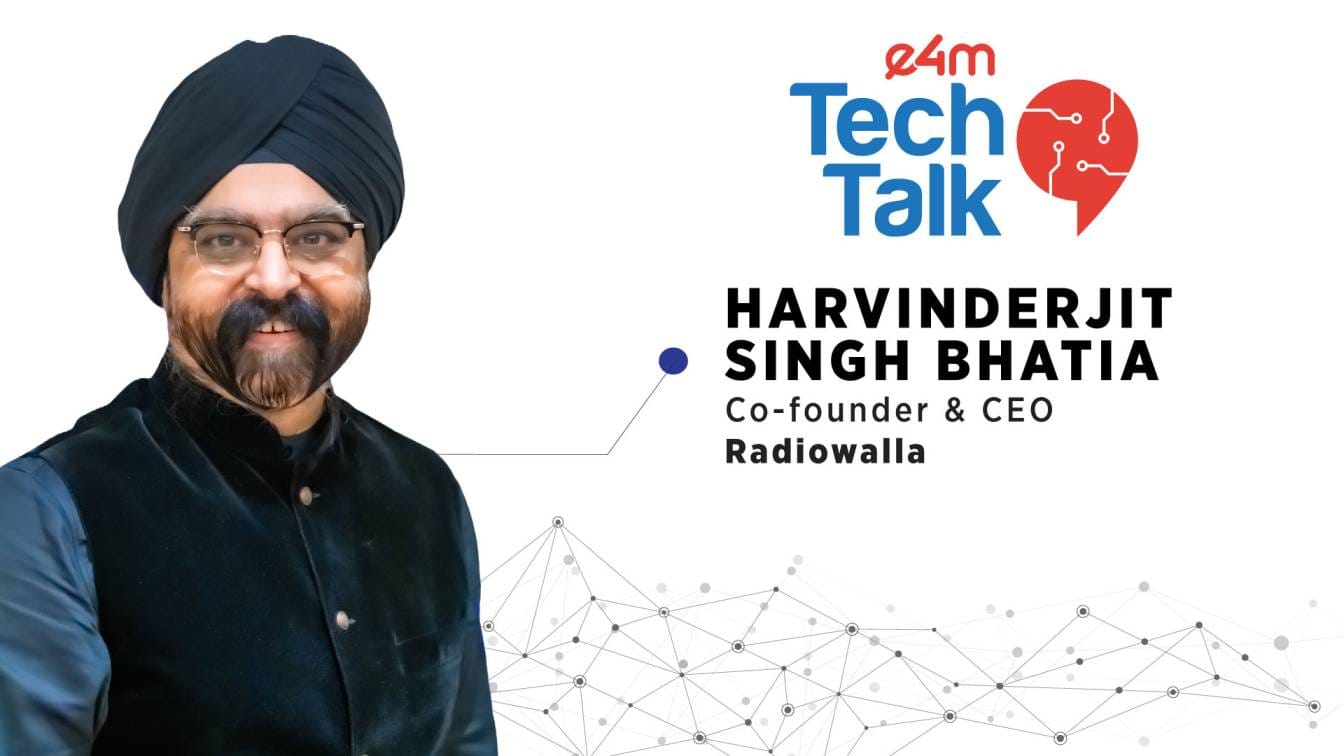

Music has long been an integral part of the retail and dining experience, setting the mood and enhancing customer engagement. For years, retailers have played songs and radio stations in their establishments without realising that these were intended for private use, not commercial settings. Understanding the legalities of music licensing has been a learning curve for many in the industry as businesses navigate the complexities of using music to create the perfect ambiance while staying compliant.
Maintaining a consistent audio experience across multiple locations presents an additional challenge for chain stores and brands. With so much depending on the staff, the music selection can vary, leading to an inconsistent atmosphere for patrons. Ensuring a uniform and legally compliant audio experience has become a key concern for businesses looking to create a seamless brand identity.
Since 2010, Radiowalla has been offering innovative solutions to address these challenges, helping businesses maintain a consistent, legally compliant, and engaging audio experience in retail stores. “Audio in a retail environment is a must-have. It’s not a good-to-have. It’s a must-have to enhance the experience of any customer,” says Harvinderjit Singh Bhatia, Co-founder & CEO, Radiowalla. The audio OOH advertising network services more than 30,000 retail stores, working with over 600 brands.
Audio advertising in retail environments is gaining traction due to its ability to influence purchase decisions subtly yet effectively. Compared to traditional advertising methods like print or in-store sampling, audio campaigns provide a cost-effective alternative with significant reach. Audiences interact with audio on a subconscious level. “You are going around doing your chores, moving around the aisles and listening to something. It doesn’t interfere with your shopping experience,” Bhatia explains.
He adds that a lot of brands want a visual image to be a part of the experience. So, when a promotion is playing, the digital signage in the store would showcase something along the same lines, completing the ambience to reflect the brand. This typically happens in premium stores and not in mass stores where brands want to create an immersive and engaging experience around the product.
Bhatia highlights that the cost of in-store audio advertising varies based on brand requirements and campaign scope. Basic campaigns can start as low as Rs 10,000 to Rs 15,000 per month, allowing brands to run multiple ad spots daily. The pricing structure is influenced by additional elements such as celebrity endorsements, custom content production, and store footfall.
Radiowalla offers in-house ad production, tailoring content to specific retail environments. Pricing is further dictated by the number of stores involved. National brands often seek uniform messaging across locations, while regional brands prefer language and content customisation to resonate with local audiences. Retailers subscribe to the audio service, paying between Rs 800 to Rs 2,000 monthly per store.
With operations spanning over 1,000 PIN codes in India, the next phase of Radiowalla’s growth strategy focuses more on sectoral expansion than geographic expansion. While present across tier-one, tier-two, and tier-three cities, the company is now prioritising hospitality, automotive, and public spaces like bus terminals, railway stations, and airports. Apparel and fashion retailers remain core clients, but new verticals such as hotels, resorts, and quick-service restaurants QSRs are emerging as strong growth avenues.
Bhatia says, “There are many regional brands showing interest in our offerings, particularly after our IPO in April last year, which brought increased visibility. As a result, we have received a significant number of inquiries from businesses in tier-two and tier-three towns. Many of these are single-store or two-store operations seeking to establish in-store radio.”
“There is a strong aspirational element at play. ‘If a global brand like Nike can create its own branded radio channel, why can't we?’ This concept holds immense value in their local markets. When customers walk in and hear an exclusive radio stream, it reinforces a sense of ownership and identity for these businesses through their content,” he explains.
He further shared some notable campaigns: “Amazon Pay worked with us, aiming to connect with shoppers at the moment of transaction, encouraging them to use the Amazon Pay Wallet. Their strategy involved delivering targeted audio messages at the point of sale, reminding customers of the benefits they would receive by paying with Amazon Pay. The goal was to drive immediate action. They initially ran a two-month campaign with us and are now expanding to other areas.”
“Several FMCG companies that consistently advertise with us, given their presence in these retail environments. Star TV recently ran a campaign promoting their shows, leveraging the crucial evening shopping hours, when customers would soon head home and be primed to tune in. This marks a shift towards more segmented advertising, and we are continuing to innovate. The Maharashtra Tourism Development Corporation also ran a two-month campaign promoting Maharashtra in other states,” he adds.
With the IPL season in full swing, Radiowalla is integrating contextual advertising across digital screens and audio formats in stores, catering to brands eager to associate with high-impact properties.
Read more news about Tech Talk, Marketing, PR and Corporate Communication, Internet Advertising, People Movement
For more updates, be socially connected with us onInstagram, LinkedIn, Twitter, Facebook, YouTube & Google News
