We want brands to leverage Snap for meaningful engagement with Gen Z: Pulkit Trivedi
Pulkit Trivedi, Managing Director, Snap Inc, shares insights on the company’s strategies to connect with a generation that values authenticity and smart spending
 by
by
Published: Oct 16, 2024 9:08 AM | 5 min read
 Follow Us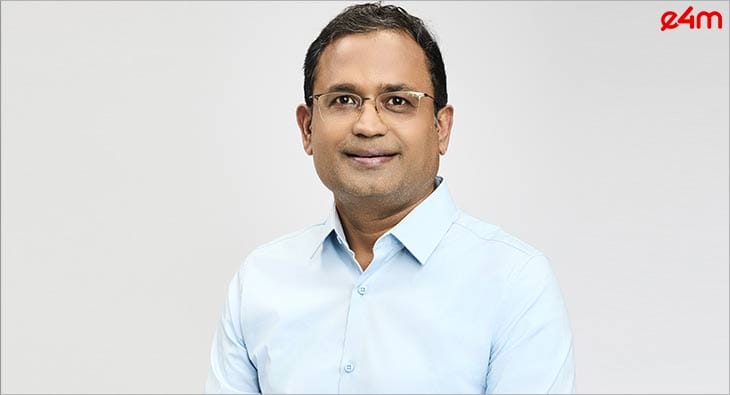

On Wednesday, Snapchat, in collaboration with global consulting firm BCG, released a report titled “$2 Trillion Opportunity: How Gen Z is Shaping the New India.” In this context, Pulkit Trivedi, Managing Director, Snap Inc, discussed the transformative impact of Gen Z on India's consumer landscape in an exclusive interview with e4m.
The 64-page Snap-BCG report reveals that with a staggering population of 377 million, Gen Z drives 43% of the country’s total consumer spending—amounting to $860 billion—and is projected to surge to $2 trillion in the next decade.
Trivedi highlights how Gen Z is not just a demographic but an economic powerhouse reshaping various sectors through their unique preferences and values. As brands seek to engage this influential cohort, Trivedi’s insights as Snap India head reveal strategies to connect with a generation that values authenticity, deep connections, and smart spending.
Excerpts:
With 43 per cent share in consumer spending, how do you see Gen Z shaping the future of consumer brands in the country?
Firstly, let’s take note that Gen Z drives $ 200B in retail consumption in India currently and that’s a fairly large number. The India Gen Z BCG-Snap industry report suggests that Gen Z will add $ 1.8 Trillion worth of retail consumption in the next 10 years which is quite a staggering number. Their direct & indirect influence on purchase cuts across multiple sectors including fashion, personal & beauty care, entertainment, tech, and even automobiles. Brands must take note of not just the direct purchase impact of Gen Z but how they shape the purchase or shopping decisions in the household for high-value products.
This group values authenticity, sustainability, and brands that align with their core beliefs. Therefore, brands must rethink their engagement strategy to deepen engagement and drive more dynamic, purpose-driven connections with Gen Z. As Gen Z continues to enter the workforce and drive spending, companies that adapt and innovate to match their needs will succeed in building brand preference & adoption in the long run.
Despite shopping as frequently as millennials, Gen Z spends more time researching purchases, says your report. How can brands support this informed consumer behaviour to enhance loyalty?
Our research indicates that Gen Z values authenticity and they lay emphasis on building deeper connections. This generation was born into the mobile-first world and therefore when you blend their values with how they use technology, brands may have to design their marketing strategy in a way that goes beyond transactional interactions. Look at ways to engage them in a personalized way - communication that resonates with their beliefs and storytelling that feels genuine and transparent—using real people, real experiences, and staying true to their brand’s persona. Gen Z appreciates brands that foster open communication and involve them in two-way conversations - interactions are what they cherish.
With 3/4 of Gen Z willing to try new brands, what strategies should companies employ to foster innovation and stay relevant to this generation’s evolving preferences?
Gen Z has a strong preference for visual content, with nearly 80% engaging with images, and immersive visuals to express themselves. In a world where Gen Z is flooded with a barrage of content, mostly short form, and where attention is a prized commodity, brands need to give attention to ‘capturing attention’ and not just optimizing for reach only. I believe the next frontier of video advertising will evolve to more immersive formats, largely led by AR & Gen AI.
Snapchat opens to the camera, 80% Indian Snapchatters interact with AR lenses daily and our AR lenses allow brands to create engaging, personalized interactions that feel more like a shared experience than a passive advertisement. Additionally, brands should pay attention to this Gen Z behaviour of “shopcializing” trends— which has blurred the line between physical & digital where shopping decisions are being made in real time with endorsements from their close friends via instant snaps & video calls.
How can brands leverage relatable role models to connect with Gen Z more effectively? What role does influencer marketing play in this context?
Gen Z’s role models are different from millennials as they tend to lean on authenticity & relatability in people they admire. Achievers whose values, aspirations, and achievements seem relatable tend to gain more mindshare of Gen Z. The explosion of video or content in India has led to the emergence of a lot of young Influencers who tell their stories, share their life experiences and are able to grab this generation’s attention in a very powerful way. Therefore, the influence they have on Gen Z’s shopping decisions is led by these real or authentic interactions. Brands have the opportunity to partner with influencers to embed their brand stories in these interactions.
What steps does Snap India plan to take based on these crucial findings?
Snap is a platform that values authenticity & real connections. It overlays this with providing the best camera experience by making AR usable in your day-to-day life. Our lenses are a fun way of joyful expression that adds fun, happiness and joy to our users’ interactions. Young India is on Snapchat and they find Snap as a platform to communicate with their friends, use our camera and consumer content that is generated by their friends and creators.
We aim to help brands harness the power of our platform to build meaningful engagement with Gen Z in a way that drives real business outcomes. We also intend to share more insights that help brands and businesses to drive conversations with Gen Z via visually engaging & immersive formats and provide tools to measure the impact on their investment.
Because Snapchat is ranked as the #1 happiest platform by users as compared to other social platforms, empirical data suggests that this state of mind of users has a significant positive impact on user engagement on ads on Snapchat.
Read more news about Marketing News, Advertising News, PR and Corporate Communication News, Digital News, People Movement News
For more updates, be socially connected with us onInstagram, LinkedIn, Twitter, Facebook, YouTube & Google News