Shifting language of entrepreneurial storytelling: From elevator pitches to Insta Reels
Guest Column: Shruti Kohli, Founder of Whiteboard Authors, shares her views on how entrepreneurial storytelling has evolved from boardroom pitches to bite-sized, authentic content across social media
 by
by
Published: Aug 13, 2025 5:37 PM | 3 min read
 Follow Us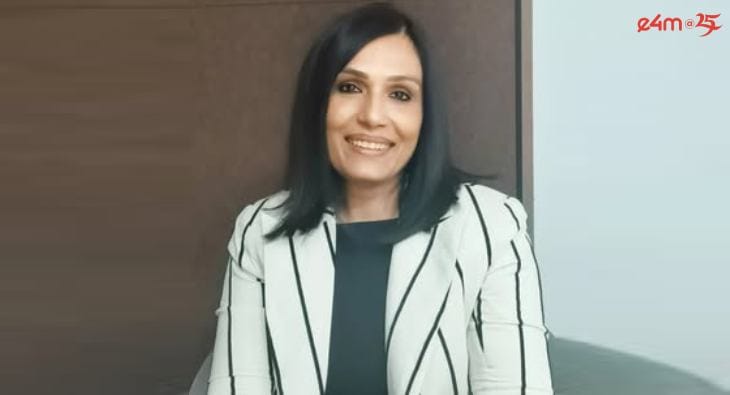

When I first stepped into the world of entrepreneurship, storytelling meant something very different. It was the art of the elevator pitch. Tight, convincing, and investor facing. It played out in conference rooms and pitch decks, rehearsed to precision.
Fast forward to 2025, and the pitch now happens on Instagram reels, 15-second stories, WhatsApp broadcasts, and carousel posts. The language, length, and landscape of entrepreneurial storytelling have changed, dramatically and irreversibly.
Why? Because attention is now a transaction. Various studies show that average screen time per day is now about 7 hours globally, but individual attention spans on social media have dipped below 8 seconds, shorter than a goldfish’s.
Founders can no longer rely on long-winded descriptions or jargon-stuffed missions. They must translate vision into visually captivating, emotionally resonant, and platform-specific stories.
Take BlissClub, for instance, a women’s activewear brand. It has mastered Instagram-native storytelling. Their ‘founder-first’ storytelling approach, where the founder documents her own fitness journey through reels and captions, making the brand story feel personal, authentic, and relatable.
Alongside, BlissClub regularly leverages user-generated content and fitness challenges to build a strong, tribe-like community of millennial and Gen Z women. It scaled from zero to ₹100 crore in annual revenue within just 18 months.
I came across Revant Himatsingka aka Food Pharmer on Instagram. He’s cracked a sharp storytelling formula. He exposes the truth behind ‘healthy’ packaged foods. In quick, under-90-second videos.
These reels have made him a trusted digital voice and led to real-world impact. Brands have taken notice and reworked their own script. His storytelling is visual, punchy, tailored for a Gen Z and millennial audience that scrolls fast but retains trust deeply.
Another example that crosses my mind as I write this is Gymshark. The brand didn’t scale via formal ads but through influencer-led storytelling on Instagram and YouTube. By 2023, Gymshark’s social content (motivational stories, gym fails, real transformations) drove majority of its sales. Their content feels personal, even though it’s highly strategic. Proving storytelling can be both raw and ROI-led.
So how should today’s founder adapt?
On LinkedIn, trade gyaan for grit. Share behind-the-scenes dilemmas. People connect to a founder who is real. So skip those rehearsals, please!
On Instagram, think snackable but smart. Reels, carousels, voiceovers.
On WhatsApp, treat your broadcast list like VIP insiders. Share updates rather than campaigns. Build community, not just customers.
Storytelling is no longer a campaign. It’s your brand in motion, in real time. If you don’t tell your story, someone else, or an algorithm, will. And in today’s scroll culture, silence means invisibility.
So yes, the pitch remains. But it now dons filters, captions, and trending audios. And it’s still the most effective tool.
Read more news about Marketing News, Advertising News, PR and Corporate Communication News, Digital News, People Movement News
For more updates, be socially connected with us onInstagram, LinkedIn, Twitter, Facebook, YouTube & Google News