Himalaya’s modern OTX gameplan: Rooted in ayurveda, fuelled by data
Vikas Bansi, Business Director of the OTX Division at Himalaya Wellness Company, on innovation, personalisation and the future of preventive wellness
 by
by
Published: Jul 29, 2025 9:05 AM | 5 min read
 Follow Us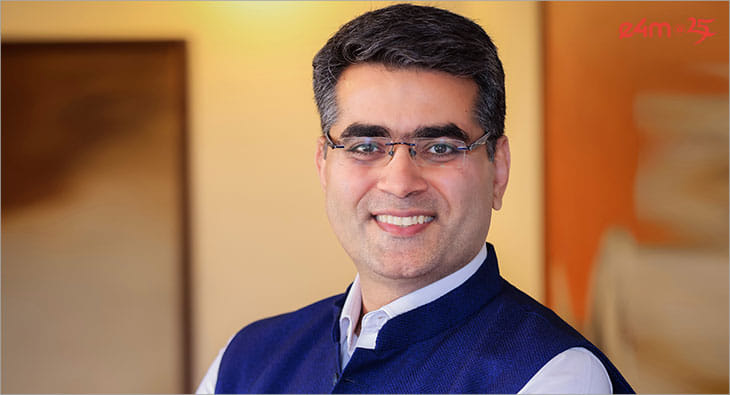

With a legacy of over 90 years, Himalaya Wellness Company is one of India’s most trusted names in natural healthcare. Known for blending Ayurveda with modern science, the brand has steadily evolved from a heritage name into a digital-first wellness player, especially in the OTX (Over-the-Counter plus Prescription) space.
At the forefront of this transformation is Vikas Bansi, Business Director of the OTX Division, who shares how the brand is shaping new consumer habits while staying true to its core.
On nearly two decades of experience shaping the OTX market at Himalaya
“After almost 20 years in healthcare, especially in a market as vibrant and complex as India, you begin to understand what truly resonates with people,” says Vikas Bansi.
At Himalaya, this experience has shaped a long-term approach to the OTX segment. “It’s not about chasing every fleeting trend. It is about building something solid, something that earns trust over time.”
Ayurveda, he adds, isn’t just tradition. “It’s a timeless science backed by centuries of lived experience and increasingly by modern research.” The company has always worked to anticipate shifts early, like the rise of self-care well before the pandemic, and has built resilience into its systems to navigate distribution quirks and regulatory hurdles. “Doing things the right way is part of our DNA.”
Meeting the post-pandemic demand for immunity, stress, and respiratory health
The pandemic didn’t change Himalaya’s direction. It sharpened its focus. Products like Tulasi, Guduchi, Ashwagandha, and Koflet were already in place. What changed was the format and messaging, making products easier to use and their benefits easier to understand.
Formats like gummies and dissolvable tablets were introduced to fit modern lifestyles. “We doubled down on holistic solutions by focusing on root causes rather than symptom relief,” Bansi says. Ashwagandha, for instance, gained traction as people turned to natural solutions for stress and fatigue.
Himalaya also launched an organic range of pure herbs and Shilajit, underlining its commitment to clinical validation and authenticity.
Using AI, martech, and personalisation while staying rooted in Ayurveda
“AI and martech are powerful enablers that help us deliver Ayurvedic wisdom more effectively,” says Bansi. These tools offer sharper insights into consumer needs and enable quicker and more personalised responses.
Himalaya uses predictive analytics, sentiment analysis, and AI-driven segmentation to customize messaging and optimise campaigns. Local-language content is critical for a diverse country like India. “The goal is to make Ayurveda more accessible, relevant, and personalised.”
Engaging Gen Z, millennials and running digital-first campaigns
Younger consumers want authenticity, science, and transparency. Himalaya is adapting with format innovations like multi-benefit gummies and rehydrate, a ready-to-drink beverage with 40 percent less sugar than competitors.
The brand’s content strategy has evolved too. Short videos, relatable creators, and platform-native storytelling dominate. Regional content and user-generated campaigns play a key role in building trust and reach.
Their Ashwagandha campaign is a clear example of this digital-first approach. It featured relatable stories via micro-influencers, interactive tools like stress assessments and polls, and a dedicated microsite. “We track data in real time and tweak content to boost performance. It’s about relevance, not just scale,” says Bansi. Notably, over 70 percent of Himalaya’s media spends are now digital.
Trends in the OTX space that remain underexplored
With the OTX category expanding rapidly, Bansi sees big opportunities in areas like preventive wellness beyond just immunity, gut health, sleep, and mental well-being.
There is also potential in merging OTX products with digital platforms like at-home diagnostics and virtual care. However, the biggest constraint he notes is the absence of clear regulatory guidelines. This limits innovation and affects consumer trust. While ethical sourcing is gaining importance, industry-wide adoption is still lagging.
Balancing presence across quick commerce, digital, and traditional retail
“Today’s consumer doesn’t think in terms of channels,” Bansi says. “They expect seamless experiences whether it’s a pharmacy app, quick commerce, or a retail aisle.”
Himalaya’s strategy revolves around creating a consistent experience across touchpoints. Data systems help track consumer journeys, align messaging, manage inventory, and optimise promotions.
Quick commerce brings last-mile speed. Pharmacists remain vital for first-time OTX buyers. Regional marketing strategies using voice search optimization and multilingual content help the brand connect locally.
Maintaining the brand’s balance of Ayurveda, science, and ethics
This balance isn’t just a marketing line. It is core to the brand’s ethos. “Ayurveda offers a holistic wellness framework. Science validates efficacy. Ethics guide how we source, manufacture, and communicate.”
Every product undergoes rigorous clinical studies. Transparent sourcing is built on community partnerships. Responsible health marketing is a non-negotiable. “Consumer trust is both essential and hard-earned.”
Measuring marketing effectiveness and aligning with business goals
Himalaya has moved well beyond vanity metrics. “Our focus is on how marketing drives outcomes like sales, market share, NPS, and digital conversions,” Bansi says.
Customer lifetime value is a key metric, with detailed ROI tracking by channel. Real-time sentiment analysis feeds into product development and marketing decisions, helping the brand stay agile and consumer-centric.
What excites and challenges the brand in the future of OTX
Preventive wellness is where Bansi sees the most energy and the most opportunity. “Consumers are building health-focused routines and embracing natural solutions.”
Challenges include regulatory uncertainty, misinformation, and balancing rapid online growth with offline consistency. But he remains optimistic. “The momentum in OTX is undeniable. And the opportunity to shape a more credible, holistic health landscape has never been greater.”
With its roots in Ayurveda and eyes on the future, Himalaya is redefining wellness for a new generation balancing trust, innovation, and relevance in the evolving OTX space.
Read more news about Marketing News, Advertising News, PR and Corporate Communication News, Digital News, People Movement News
For more updates, be socially connected with us onInstagram, LinkedIn, Twitter, Facebook, YouTube & Google News
