Why brand preference is the D2C growth imperative
Adarsh Sharma, Co-founder, FS Life, believes that meaningful brand impact begins with the right choice

Published: Oct 15, 2026 9:01 AM | 4 min read | Advertorial
 Follow Us

- The direct-to-consumer (D2C) growth strategy has evolved from simply capturing existing demand to creating future demand, as competition increases and acquisition costs rise.
- Brands are recognizing the importance of high-attention environments, such as JioHotstar, to engage potential consumers before they are actively searching for products.
- Successful campaigns on platforms like JioHotstar have demonstrated measurable increases in brand awareness and search volume, indicating that brand building can influence consumer behavior.
- The distinction between brand and performance marketing is blurring, as D2C marketers seek to integrate both strategies to enhance consumer consideration and drive future purchases.
For much of the past decade, the D2C growth playbook was built around a straightforward equation of identifying consumers with an existing need, reaching them efficiently and converting intent into a transaction.
Performance marketing, social commerce and creator-led discovery helped brands scale this model rapidly. But as more D2C brands compete for the same consumers, the economics of demand capture are becoming more challenging, making high-attention environments increasingly essential. Adarsh Sharma, Co-founder, FS Life, believes that meaningful brand impact begins with the right choice. (Photo)

“Reaching the right audience at the right moment is fundamental to building lasting brand salience and driving meaningful impact,” says Adarsh, Co-Founder, FS Life. “Our partnership with JioHotstar enabled us to engage a highly relevant, premium audience within a high-attention environment.”
The question for marketers is no longer simply how efficiently they can generate a click or conversion, but how much incremental demand each rupee of media investment can create.
This is forcing a rethink of the role of brand building in D2C.
From capturing demand to creating it
Performance media is built to capture intent. When consumers are already searching, comparing or ready to buy, it helps brands meet them at that moment.
But growth cannot come only from consumers who are already in-market. As acquisition costs rise and digital competition intensifies, brands also need to build demand among consumers who may not be considering a purchase yet. This is where brand preference matters. Being remembered before a purchase begins can shape what gets considered when the moment to buy arrives.
The opportunity, then, is to move further upstream, from capturing existing demand to creating future demand. And that makes high-attention, content-led environments like JioHotstar increasingly relevant to the D2C growth conversation.
Premium Content environment and Connected TV are increasingly finding a role in this shift. For brands that have traditionally operated within performance-led digital ecosystems, professionally produced content and large-screen viewing provide an opportunity to build consideration before purchase intent is fully formed.
When brand building translates into measurable outcomes
The debate around brand building, however, is increasingly moving beyond awareness metrics. D2C marketers are looking for evidence that investments higher up the funnel can eventually influence measurable consumer behaviour.
Campaigns on JioHotstar provide some examples.
FableStreet recorded a 21% increase in search volume in the market where its campaign ran, along with lifts in brand awareness, online ad awareness and creative recall. Zouk reported gains across awareness, ad awareness and message association, alongside a 23% increase in searches.
Farmley’s Date Bites campaign on Connected TV also recorded an increase in brand awareness and search incidence against its respective benchmarks. The campaign used the large-screen environment to reach consumers during periods of co-viewing.
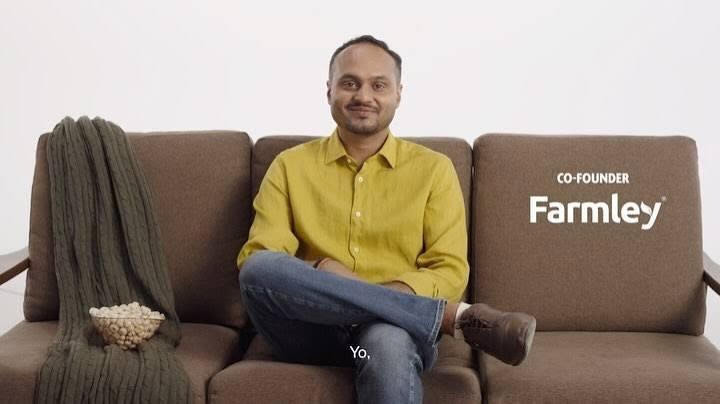
As Akash Sharma, Co-founder, Farmley says "JioStar CTV has played out very well for us. We were one of the earliest brands who entered the CTV ecosystem for us, it was about getting on the right platform at the right time. When we got in, there were not a lot of brands who understood the utility of CTV and it got us a very relevant audience. When you are building premium brands and you want to target a certain premium population, CTV becomes an apt approach. “
These examples point to a broader shift in how D2C marketers are evaluating media. The traditional distinction between “brand” and “performance” is becoming less clear as marketers look for brand investments that can ultimately influence search, consideration and purchase.
Closing the gap between preference and purchase
For D2C brands, this does not mean replacing performance marketing with brand advertising. It means recognising that the two address different stages of the consumer journey.
Performance media can capture consumers who are already demonstrating intent. Brand building can help create that intent in the first place.
As competition for high-intent consumers increases, relying exclusively on demand capture could constrain the addressable pool of future customers. Building salience and preference, meanwhile, can help brands enter the consideration set before consumers actively begin searching.
This is where platforms such as JioHotstar bring a different proposition to the D2C marketer: premium content, large-screen viewing, co-viewing environments and audiences at scale. Content-to-commerce formats can further connect discovery with action, reducing the distance between seeing a brand, considering it and eventually purchasing it.
The larger shift is therefore not from performance to brand building, but towards bringing the two closer together.
For D2C brands entering their next phase of growth, the question may no longer be simply how efficiently they can convert existing demand. It is how effectively they can build preference today for the demand they want to capture tomorrow.
(This is advertorial content curated by partner team.)
Read more news about Marketing Initiative, Internet Advertising, Marketing, PR & Corporate Communication, Television Media
For more updates, be socially connected with us onInstagram, LinkedIn, Twitter, Facebook, YouTube & Google News
