Influencers on billboards? OOH yes, say brands
Brands are increasingly propping up Influencers, especially nano creators, who seem to have an edge in terms of expense, engagement and reach
 by
by
Published: Nov 14, 2024 9:10 AM | 4 min read
 Follow Us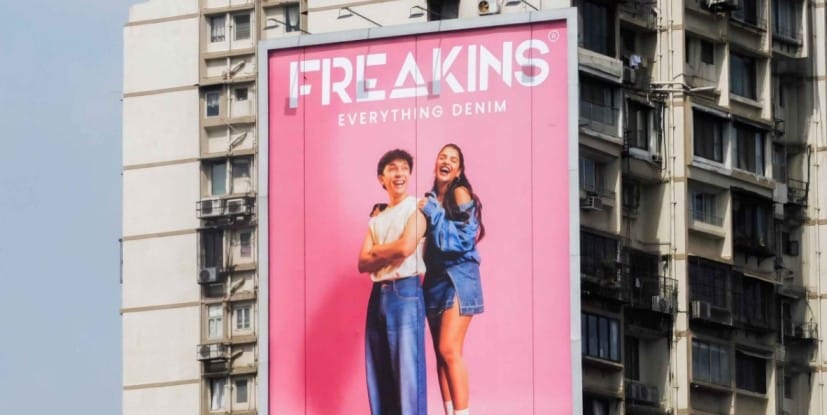

Billboards have long been reserved for blockbuster movies, luxury brands, and superstar endorsements, but the landscape is shifting. Brands are now spotlighting influencers—often the smaller, niche ones—in high-visibility outdoor campaigns. This isn’t just a trendy “why not?” move; it’s a smart adaptation to today’s marketing dynamics. By harnessing the reach of influencers with loyal audiences, brands are achieving impressive engagement, often with a fraction of the budget required for a celebrity endorsement.
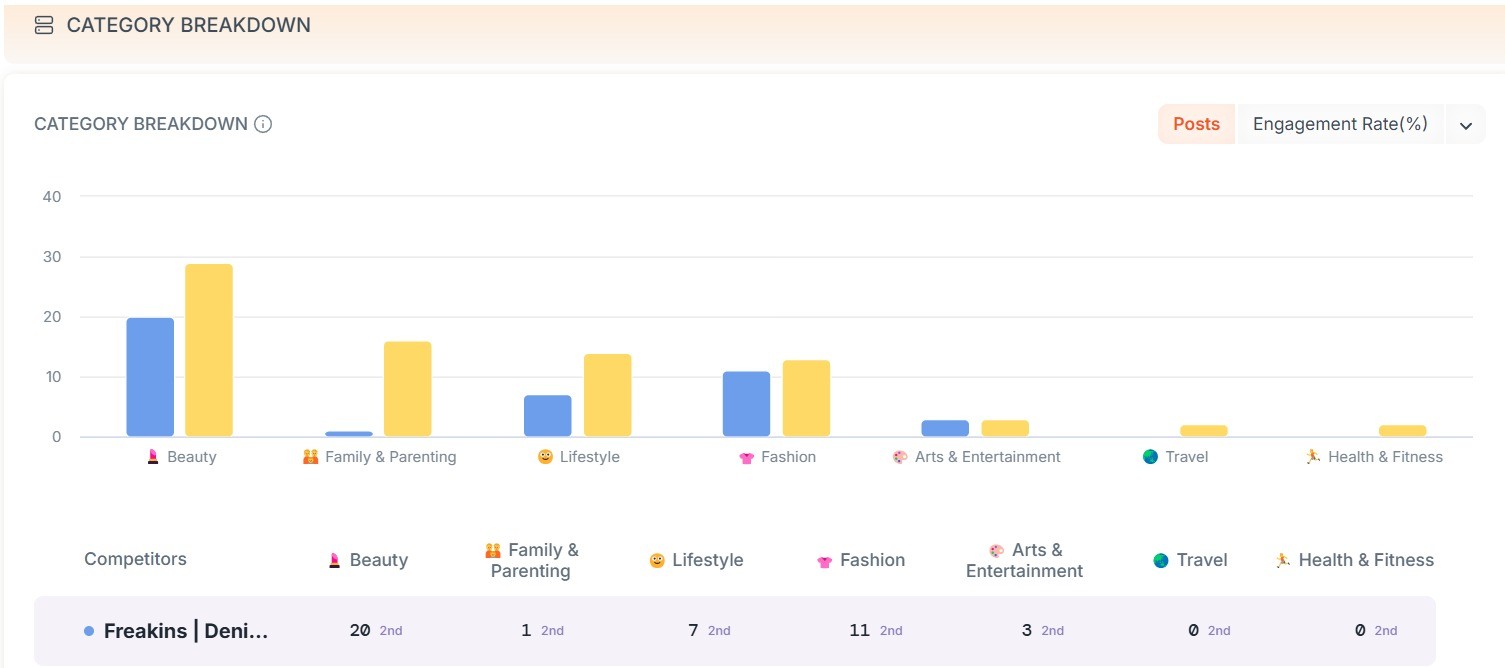
Take the clothing brand Freakins, for instance. They recently partnered with 132 Instagram influencers in a three-month campaign, running under hashtags like #FreakinsXGarnier and #DareToGoRed. This influencer-led campaign drove an engagement rate of 2.3% and saw significant results from a smaller core group: 26 key influencers contributed to a remarkable 41.94% increase in engagement, achieving a 1.6x impact while reaching 75.1K people. According to Qoruz, an Influencer Marketing Intelligence Platform, the strategy reached 64.27% of its target audience by using a well-calculated mix of nano- and A-list influencers.
As brands continue this pivot, it’s clear that the advantages go beyond cost savings. “While big celebrities come with hefty costs, smaller influencers offer creative flexibility and boast loyal, niche audiences who follow them religiously,” explains Chandra Manii, Founder of Useful Garbage Creations. For the same Rs 1 crore investment that would secure exclusive rights with a celebrity for several months, brands can collaborate with dozens of regional or niche influencers who offer a similar, if not greater, ROI through more targeted engagement.
View this post on Instagram
Bang for the Buck
For brands, leveraging influencers isn’t just about financial efficiency; it’s about achieving a more intimate connection with audiences. Avi Chanodia, Co-Founder of CREATE, points out the mutual benefit: “Influencers crave visibility, and getting a billboard spot is a big win for them. It gives them a sense of achievement, which they’re keen to share with followers.” By choosing influencers with dedicated audiences, brands tap into authentic engagement as followers resonate with a brand that’s seen as part of their influencer’s journey.
This synergy is particularly valuable when combined with the layered reach that billboards provide. The visibility of the billboard itself is only part of the impact; influencers share their billboard moment on social media, reaching even more people as followers repost and engage. Smaller influencers can rival celebrity billboards in reach and influence by adding this digital amplification, all while saving costs.
According to Shudeep Majumdar, CEO of Zefmo, measuring these campaigns goes beyond traditional metrics: “Agencies are integrating traditional and digital metrics. Engagement rates, hashtag spread, spikes in web traffic, and sales conversions offer clear indicators of reach and impact, creating a comprehensive view that aligns with the evolving nature of OOH.” With this blend of offline and online engagement tracking, brands gain a fuller picture of campaign impact, from roadside audiences to digital followers.
Brands are increasingly recognizing the benefits of collaborating with local influencers and D2C brands. According to Vaibhav Gupta, Co-Founder and CPO of KlugKlug, “There will be a significant move away from mega and macro creators towards micro and nano creators. D2C brands, in particular, are increasingly leveraging nano creators for more ROI-driven campaigns.” In fact, these smaller influencers can sometimes even surpass their larger counterparts in engagement rates, as their niche communities trust their recommendations on relatable and affordable items.
Brands like Flipkart are setting the stage for new forms of influencer-led billboard campaigns.They launched a campaign, #AddtoBrag. Instead of just rolling out the usual glossy ad posters, Flipkart invited influencers to create videos promoting the brand. The twist? The most creative participants would see their faces on a real billboard, making the opportunity to “brag” a big incentive.
View this post on Instagram
Bottom Line
With India’s out-of-home advertising market set to hit Rs 40.36 billion in 2024, influencer-led billboards are poised to be a long-term marketing strategy rather than a passing trend. Statista reports that brands investing in influencer campaigns allocate Rs 5-50 lakh per campaign, with potential to increase brand awareness by 10-30% and boost sales by 5-15% if done well. These influencer-led billboards bridge the gap between brands and their audiences by making advertising more relatable and influential—one billboard (and Instagram post) at a time.
So, the next time you spot a familiar face on a billboard, know that it’s more than just an ad. It’s a sign that brands are all-in on making their marketing as “influential” as possible.
Read more news about Influence Zone, Marketing, PR and Corporate Communication, Internet Advertising, People Movement
For more updates, be socially connected with us onInstagram, LinkedIn, Twitter, Facebook, YouTube & Google News