Respect The National Anthem - The 2003 PSA that still moves India
As India celebrates its 77th Republic Day, we revisit a public service announcement that remains as powerful today as it was 23 years ago
 by
by
Published: Jan 26, 2026 8:27 AM | 4 min read
 Follow Us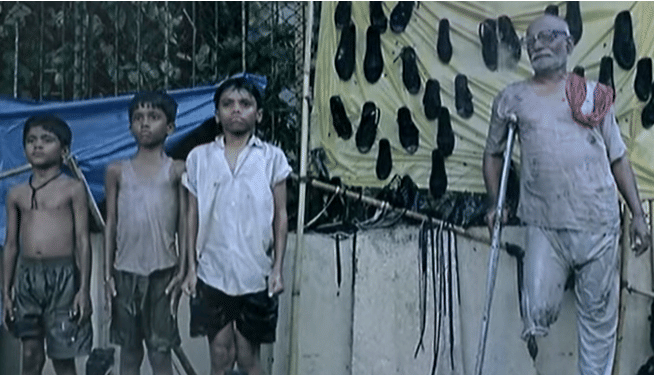

In 2003, director Gajraj Rao and Code Red Films created a PSA that would transcend typical public service messaging to become one of India's most enduring works in advertising. ‘Respect The National Anthem’ achieved what few campaigns manage: it sparked genuine reflection about civic duty without preaching, and continues to resonate more than two decades later.
The genius of this PSA lay in its elegant simplicity. When a sudden rainstorm appears, an amputee cobbler's radio, which was broadcasting a national cricket match, begins playing the national anthem. Despite the rain, despite his physical challenge, he uses his crutch to stand up in respect. A few shoeshine boys, who are making fun of him, witness this moment, and stand up to pay respects to the anthem.
This visual narrative operated with devastating clarity. The cobbler's instinctive respect, even in adverse conditions and despite his disability, created a powerful teaching moment. The children's mockery turning into respect showed how genuine dignity inspires emulation. The contrast between the cobbler's determined reverence and the children's initial callousness, followed by their awakening to proper conduct, created a moral arc that no amount of rhetoric could achieve.
The PSA's iconic status rests on several pillars.
First, it featured an amputee cobbler not as an object of pity but as the moral center of the narrative: someone who, despite facing mockery and physical challenges, demonstrates what genuine patriotism looks like. His instinctive act of standing during a rainstorm, when he could easily have remained seated, challenged everyone watching to examine their own commitment to national symbols.
Second, the authenticity was undeniable. Code Red Films, co-founded by Rao and Subrat Ray, specialized in performance-driven narratives that captured real Indian experiences. The rainstorm setting, the cobbler's simple radio, and the children's genuine transformation from mockery to respect didn’t feel manufactured. The progression from ridicule to reverence happened organically, making the message impossible to dismiss.
Third, Amitabh Bachchan's voiceover, asking, “How can you respect your nation if you cannot respect your national anthem?” added gravitas without overwhelming the visuals. His voice guides viewers toward reflection without dictating conclusions and expresses concern without condemnation. The balance between authority and empathy made the message more powerful precisely because it refused to be heavy-handed.
The PSA emerged during a significant moment in Indian history. The early 2000s saw ongoing debates about civic behavior, respect for national symbols, and evolving ideas of patriotism in a globalizing world. Into this conversation, Rao's work offered something neither legal nor political but fundamentally human, as it suggested that respect for national symbols wasn't about compliance but about recognizing shared values and collective identity.
The advertising industry recognized this achievement with an ABBY Award, validating that creative excellence and social consciousness could be integrated in work that elevated the entire field. Code Red Films would go on to receive international recognition, but this PSA remained their most celebrated work in the public service category.
Twenty-three years later, the PSA continues to circulate on social media every Republic Day and Independence Day. New generations discover it and experience the same powerful message. Respect transcends physical ability, weather conditions, and social circumstances. The image of the amputee cobbler standing in the rain while children watch and learn remains one of advertising's most memorable teaching moments.
The PSA endures because it tells a complete story of transformation: from mockery to respect, from indifference to awareness. The children who stand up after witnessing the cobbler's dignity represent all of us, capable of learning and changing when confronted with genuine principle. It proved that the most effective social messages aren't lectures but examples that inspire natural emulation.
When featured on Bachchan’s ‘Kaun Banega Crorepati’, the PSA created a meta-moment as the entire studio audience rose to their feet, demonstrating that the message had penetrated beyond advertising to become part of cultural practice.
On this 77th Republic Day, Gajraj Rao's masterpiece offers more than nostalgia. It reminds us that patriotism isn't found in loud declarations or performative gestures but in instinctive acts of respect. In an age of social media patriotism and viral nationalism, this twenty-three-year-old PSA understood that changing behavior requires first changing hearts, and the most effective way to change hearts is to show us who we are and who we might choose to be.
Read more news about Internet Advertising India, Marketing News, PR and Corporate Communication News, Digital Media News, Television Media News
For more updates, be socially connected with us onInstagram, LinkedIn, Twitter, Facebook YouTube & Google News