Has Indian advertising forgotten the middle class?
Industry observers say the shift is more of an outcome of changing reality and an evolution as the middle-class dream has not faded but has just gone digital
 by
by
Published: Nov 8, 2025 9:37 AM | 9 min read
 Follow Us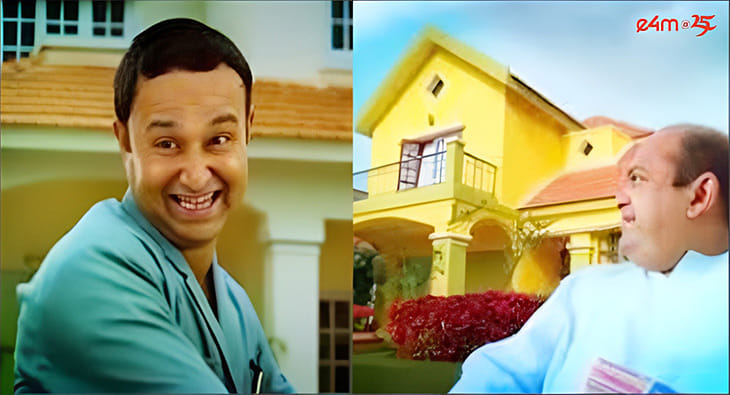

There was a time when the Indian middle class wasn't just a target audience but the protagonist of every brand narrative. From Asian Paints celebrating collective family pride to Maggi turning into a shortcut for connection, the middle-class household was both the market and the metaphor. It was where brands earned their stripes and built trust through ritual and repeat purchase. For a brand to enter the middle-class home was to secure permanent cultural legitimacy.
But somewhere along the way, the script seems to have changed. The household that once functioned as a unified consumption unit has fragmented into individual algorithmic realities. Marketing has become hyper-individualized, where each family member is treated as a separate market living in their own digital bubble.
An increasing number of brands appear to be now targeting the younger, metro-dwelling, digitally savvy consumers who speak the language of UPI transactions, quick commerce, and social media validation. The middle class, once the emotional core of advertising, may have been quietly pushed to the margins.
The shift isn't just about audience demographics but where cultural gravity now resides. Television once brought families together, creating shared moments that brands could tap into. Today, that gravity has moved online, where micro-communities and algorithmic feeds shape values and preferences. The question isn't whether brands should speak to younger audiences, but whether, in doing so, they've abandoned the very consumer who gave them scale and meaning.
The cultural geometry shift
What we're witnessing is less about the middle class disappearing and more about them being redefined by brands in ways that strip away their complexity. The same household that once dreamed of a Maruti Suzuki 800 and a colour television now negotiates modernity on its own terms. The father still values security-driven pragmatism, the mother balances practical ambition with emotional labour, and the child expresses identity through self-directed consumption. The mistake brands are making is either collapsing them into one outdated message or fragmenting them into three disconnected campaigns.
Adnan Pocketwala, Growth Partner at Ormax WhatNext (a mentoring and advisory initiative by Ormax World), frames it as a fundamental restructuring. "What we're seeing isn't just a shift in consumer focus, it's a shift in cultural geometry. An outcome of changing reality. Because today, that gravitational centre has broken into orbits of Me, His & Her and the ability to discount, incentivise or hack choice," he explains. Each member of the household is now assumed to be a separate market, living their own algorithmic reality.
The danger, experts say, lies in mistaking digital visibility for cultural meaning. Brands are so focused on the immediate win and next quarter’s numbers that they've forgotten what it takes to build lasting equity. Real brand building happens through collective meaning, not isolated transactions. And for everyday categories and family-use products, that meaning still resides in the middle-class household, where decisions are debated, value is weighed, and emotional security still matters.
"The real question then is, have we taken it too far and replaced cultural meaning with digital visibility?" Pocketwala warns. "Brands are truly built by collective meaning, and that means for all brands that want to go beyond a certain phase of growth, they will need to straddle both worlds: using digital for discovery, but grounding brand meaning in the deeper codes of middle-class aspiration, value consciousness, and emotional security."
Consider tea, for instance. A brand can sell it all it wants through Instagram ads and influencer tie-ups, but the real test of acceptance happens when it enters the middle-class kitchen, when it's served to guests, when it becomes part of morning rituals, when it's trusted enough to be bought without a second thought. "So one may sell tea all they want digitally, but the real test of acceptance will happen within the walls of the middle-class household," as Pocketwala puts it.
Aspiration, gone digital
The middle-class dream hasn't disappeared; it's evolved. What once looked like stability and savings now expresses itself through access and small indulgences like buying a flagship smartphone on EMI, investing in a premium perfume, and booking a weekend getaway to Goa. The aspiration is still there, but it's faster, more self-directed, and more visible thanks to social media.
Kajol Bheda, Founder of Scribbld, a digital marketing agency, sees this as evolution rather than erasure. "I feel like what we're seeing isn't really like the disappearance of middle-class, it's an evolution," she says. "The middle-class dream has not faded. It has just gone digital because there is so much to choose from, right?"
Where earlier, aspiration was linear and predictable, today it's layered and fragmented. Back in the day, jewelry or diamonds carried aspirational weight. Now there are a thousand ways to indulge in micro-luxuries. “Today's consumer, whether it's Gen Z in a metro city or a first-time UPI user in a tier 2 city, is still driven by the same middle-class instinct for progress. The only difference is that progress now feels faster because of how much is available," Bheda explains.
This is where brands need to rethink their approach. The middle class is reviewing, comparing, critiquing, and influencing conversations at an unprecedented scale. They're not passive consumers waiting to be told what to buy. They're active participants shaping the cultural narrative.
"For brands, you can't chase a new segment and forget the emotional base that built the brand in India. Today, growth comes from decoding how people define value and aspiration, not just who they are demographically. The middle class may look different, but they still power the heart of the market," Bheda adds.
The majority wants to be spoken with, not spoken for
Perhaps the biggest shift is attitudinal. The middle class today doesn't want to be romanticized or reduced to a caricature. They don't want to see themselves as the struggling everyman or the overly aspirational housewife. They want to be understood for who they are now: digitally literate, culturally rooted, and far more self-assured than the characters that once represented them in ads.
Keren Benjamin Dias, Associate Vice President of Brand Planning and Lead at Capital Z (a research-based service lab by White Rivers Media), argues that "the Indian middle-class didn't fade out of advertising. It evolved into a more layered, expressive identity. This group was never just an income bracket; it was an imagined community tied together by aspiration. Today, that aspiration has moved from stability to self-design. Their choices reflect individual and collective identity as much as affordability."
"The cultural gravity has shifted, and brands need to recognize where it now lives," Dias observes. "Young, urban digital natives have shifted the cultural gravity online. Their values aren't formed by television family tropes but by algorithms, micro-communities, and digital rituals. They expect brands to move at the speed of culture and speak with authenticity."
They still value trust, progress, and emotional grounding, but they also expect convenience, personal agency, and respect for their intelligence. They're the ones leaving Google reviews, comparing prices on quick commerce apps, and calling out brands on X (previously Twitter) when they don't deliver. They're the participatory majority, and ignoring them is a strategic mistake. "If you look at the middle-class through a societal lens, the biggest shift is this: they no longer want to be spoken for. They want to be spoken with," Dias explains.
To reconnect with this audience, brands need to show that they understand their current life-worlds by tapping into regional content, wellness, pride in local culture, and sustainability. Nostalgia can work, but only when it's reinterpreted, not recycled. It needs to honour emotional inheritance while recognizing how much their world has expanded. Dias adds, "When brands meet them in these lived realities not as a stereotype, but as a modern, evolving identity, the connection feels honest again. And that's when loyalty starts to rebuild itself."
Take the recent ChatGPT campaign, for instance. It didn't try to sell AI as some futuristic, alienating technology. Instead, it positioned it as something that could help with everyday tasks, something that could bring a family together by making life a little easier. That's the kind of modern expression of old truths that resonates.
Where do brands go from here?
Pocketwala frames this as the central dilemma: "We seem to be hearing about two realities playing out: the rising premiumisation at one end and increasing value consciousness at the other. The larger question will always remain: where will scale and growth come from? If the answer is at the bottom of India 1 and in India 2, then the middle-class home will need to play its part."
For most categories, especially everyday and family-use products, the answer lies in straddling both worlds by using digital for discovery, but grounding brand meaning in middle-class aspiration, value consciousness, and emotional security. Dias sees opportunity in the overlap, saying, "It's the sweet spot where middle-class confidence meets Gen Z's expressive culture. When you understand that both groups are shaping their stories in public, you stop building messaging and start building meaning. That's where relevance and growth actually live.”
Reimagining the middle-class narrative
The brands that will win in the coming years are the ones that reclaim the lived lives within each home and reimagine the role they can play. That means understanding that the old narrative of ‘dreaming bigger’ has shifted to ‘deciding better’. It means recognizing that the middle class today is negotiating modernity on their own terms, with discernment that demands clarity, credibility, and cultural empathy.
It also means asking the right questions. What does celebration mean today? What does belonging or togetherness look like in a world where everyone has their own screen? What does power or aspiration mean when a 22-year-old in Jaipur has the same access to global trends as someone in South Mumbai?
Relevance matters, but so does nostalgia, as long as it's deployed with context. Bheda offers practical advice: "Relevance is very important, but so is nostalgia. So knowing the right balance between the two is equally important. I would suggest not recreating old advertising tropes. Instead, reimagine them for a world that is very mobile-first and attention-poor. Also, whenever you talk about anything nostalgic or emotional, always talk about it with context."
The industry may have moved its gaze toward younger, shinier audiences, but the middle class hasn't gone anywhere. They've just evolved. And if brands want to build lasting equity, not just fleeting visibility, they'll need to evolve with them. Because at the end of the day, the middle-class home is still where brands prove their worth. Where trust is earned, ritual is formed, and scale is built. The question is whether brands are paying attention or not.
Read more news about Internet Advertising India, Marketing News, PR and Corporate Communication News, Digital Media News, Television Media News
For more updates, be socially connected with us onInstagram, LinkedIn, Twitter, Facebook YouTube & Google News