Beyond Rakhis & Rituals: How campaigns are reimagining the Raksha Bandhan narrative
Moving beyond nostalgic narratives, brands are challenging conventional roles and expanding cultural definitions to create more relevant and resonant campaigns for a new generation of consumers
 by
by
Published: Aug 8, 2025 9:26 AM | 7 min read
 Follow Us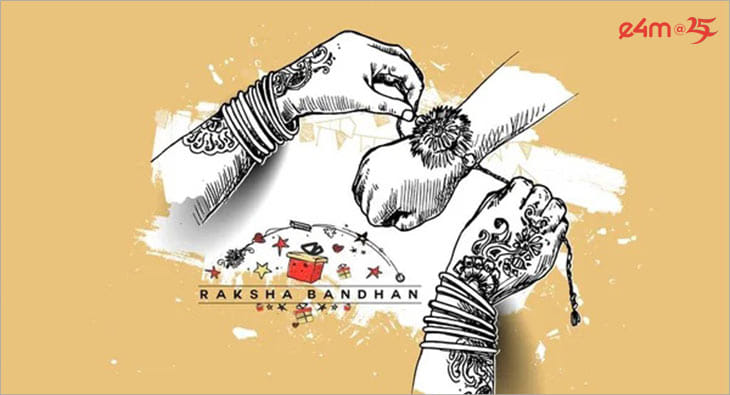

India’s numerous festive seasons have always been the Super Bowls of advertising. For advertising agencies, these periods become high-stakes, requiring not just creative brilliance but also a profound understanding of evolving customer sentiment. Each year, we witness fascinating shifts, from broad-stroke storytelling to hyper-targeted “festival drops” that are actively redefining the age-old cultural narratives.
Ditching the nostalgic takes, ad agencies are now moving beyond these narratives to craft campaigns that either introduce entirely new angles or subtly challenge ingrained values, making brands more relevant and memorable.
Turning Custom Invoices to Items in Wishlist
Flipkart launched an innovative campaign with ‘InvoiSIS,’ that gives sisters a light-hearted and functional tool to itemize the often-unacknowledged favors they do for their brothers. InvoiSIS is a Rakhi invoice generator that lets sisters raise itemised invoices for all the favours they’ve done, from sharing their fancy skincare to saving their brothers from family drama. Each favour came with a certified value, calculated in collaboration with finance educator CA Rachana Ranade, who is also featured in Flipkart’s TVC. Sisters could then attach a Flipkart wishlist that matched their invoice total, turning emotional dues into a logical shoppable bill.
Pratik Shetty, Vice President of Growth and Marketing at Flipkart, said, “Rakhi is an emotionally rich moment, and we saw an opportunity to move beyond transactional gifting. With InvoiSIS, we wanted to create something sisters could truly relate to, something fun and rooted in their everyday reality. It’s not just about the product value, it’s about making that bond feel seen and celebrated.”
Gagandeep Bindra and Rahul Arcot, Group Creative Directors at DDB Mudra Group, added, “How much should you really spend on a Rakhi gift? We figured it should at least match the value of everything sisters do for us. So we teamed up with financial expert Rachana Ranade and put a price on all sisterly favors, letting sisters raise an invoice for what she is owed, and demand a fair gift in return.”
Swapped Roles, Unwavering Support
The latest Zouk Bags campaign is redefining the idea of ‘Raksha,’ or protection, from a simple act of brothers holding their sisters’ handbags as they advance in life and deal with real-world situations. This unwavering support and partnership in a sibling’s journey is what ‘protection’ means to them. The shift of focus from the traditional brother-as-protector to a more egalitarian portrayal of siblings supporting each other’s aspirations is now the buzz. Zouk now also has a limited-time sale for their Rakhi collection bags and gift boxes crafted for the festival.
Protective Beyond Human Bonds
Even more striking is the GIVA Jewellery ad featuring Anushka Sharma, where she’s tying a rakhi to her dog. With the ad titled “Turns out, some brothers have four paws, floppy ears, and a golden surprise,” GIVA courageously broadened the definition of Rakhi bonds. It was a powerful statement about chosen family, unconditional love, and protection extending beyond human ties. This resonates deeply with a generation that values individuality and diverse relationships. Campaigns like these highlight a strategic imperative: to not just reflect culture, but to actively shape and evolve it. It is now about finding the universal emotional truth within a tradition and later expanding its boundaries to be more inclusive and reflective of modern sensibilities.
Continuing the theme of expanding familial boundaries, Supertails’ ‘Ghar ke Rakshak’ campaign places pets at the heart of the celebration. In a world where siblinghood is being redefined beyond blood ties, Supertails honours the quiet protectors of our homes by inviting families to celebrate the emotional bond with their furry companions, positioning them as integral members of every ritual and tradition. The centerpiece of this initiative is a Raksha Bandhan Box, featuring a pet-friendly rakhi and curated goodies. With every box sold, Supertails also contributes ₹50 towards vaccinating stray dogs, adding a layer of purpose to the celebration.
Vineet Khanna, Co-founder of Supertails, says, “Our pets are part of our families. They share in our joys, comfort us through quiet moments, and show us love in the most heartfelt ways. This Raksha Bandhan, we wanted to celebrate that unspoken connection, because care, loyalty, and belonging go far beyond human relationships.” The campaign, amplified across digital platforms, reimagines Raksha Bandhan through the lens of empathy and inclusivity, reminding us that protection and love need not be confined to human relationships alone.
View this post on Instagram
Sumanto Chattopadhyay, freelance Creative Director and former Executive Creative Director at Ogilvy South Asia, says, “Rakhi is a sweet tradition, but it is a bit patriarchal in its thinking — where brothers swear to protect their sisters-in-distress. So, to keep up with times, campaigns do need to redefine its significance. GIVA does it with canine sweetness, saying it’s about caring relationships — beyond blood. Zouk says it’s about supportive brothers — who are happy to take a supporting role in the life of their sisters. What is nice about this is that it gives the girl the central role in the story. She’s not a gratefullly simpering wallflower living in her protective brother’s shadow. She has main character energy.”
Breaking Patterns and Chains
The portrayal shifts aren’t limited only to sisters and Raksha Bandhan. Brands have also placed mothers as the main characters in a particularly patriarchal setting, which has successfully garnered huge attention from the audience. Star India, the sponsor of the Indian cricket team 8 years ago, launched a TV campaign titled ‘Nayi Soch,’ in which they signed cricketers like Mahendra Singh Dhoni, Virat Kohli, and Ajinkya Rahane to portray the importance of mothers in their lives. Sumanto recalls the campaign’s success, saying, “We had Indian cricketers wearing their mother’s name on their jerseys — because the surname they usually display comes from their father, a patriarchal tradition. When questioned about it, cricketers explained that their mothers have played a crucial role in their success, so they wanted that to be reflected on their jerseys. What was interesting about this campaign was that it was not something just portrayed in the ads — but actually implemented on ground, albeit in just one international cricket match.”
“Another example that comes to mind,” Sumanto further dissects, “is a Pond’s Dreamflower Talc ad we worked on where a girl takes a stand against dowry. She decides not to go ahead with the wedding when her father-in-law-to-be demands a dowry. These are ugly traditions that India should do away with, and yet they persist. Ads can set an example by showing the way. Yes, there will be the dyed-in-the-wool traditionalists who may object and walk away from the brand. But, hopefully, the younger generations, with more progressive outlooks, will more than make up for the loss.”
Bikano’s 2023 Raksha Bandhan initiative went beyond festive cheer to spark meaningful conversation around siblinghood and social inclusion. With the continuation of its ‘Pyar Ka Meetha Bandhan’ campaign, the brand used Rakhi as a platform to raise awareness about adoption and the millions of orphaned children in India. By inviting people to contribute through missed calls and pledges, Bikano transformed a commercial season into a call for compassion. The campaign saw strong public engagement and was widely appreciated for its emotional authenticity, demonstrating how brands can use festivals not just to sell, but to seed lasting societal impact as well.
This shift to “festival drops” isn't merely about short-term sales. It's about precision targeting, leveraging data to understand nuanced consumer segments, and then delivering a message that feels deeply personal and culturally forward-thinking. It requires agencies to move beyond conventional briefs, delve into socio-cultural insights, and often, take calculated creative risks. The objective is to ignite conversations, fostering brand love and loyalty by positioning brands as allies in the ongoing evolution of India’s vibrant cultural tapestry. The brands that succeed will be those that daringly, yet thoughtfully, redefine tradition for a new India.
Read more news about Internet Advertising India, Marketing News, PR and Corporate Communication News, Digital Media News, Television Media News
For more updates, be socially connected with us onInstagram, LinkedIn, Twitter, Facebook YouTube & Google News